

An analysis of hundreds of textile fragments discovered in the Judean Desert has revealed that, 2,000 years ago, clothing was often dyed not with expensive purple from murex sea snails but with a mix of cheaper plant dyes—madder and woad.
The research indicates the ancient Roman world had a thriving industry for counterfeit luxury goods. The finding was reported by scientists from the IAA, who carried out the study.
The Illusion of Elitism
The new work by Israeli researchers shows that there was a market for counterfeits in ancient Roman society—convincing imitations of branded status items. Purple, which only the wealthiest could afford, was basically the brand of its time.
Clothing in ancient times was never just functional. It signaled wealth and social ambition. The quality of the fabric, decorative motifs, and especially color mattered. Just one shade could mark the boundary between the elite and everyone else, Arkeonews reported.
No color was more prestigious than royal purple. This dye, obtained from the murex trunculus snail (and several related Mediterranean sea snails), was distinguished by its rarity, high cost, and complex production process.
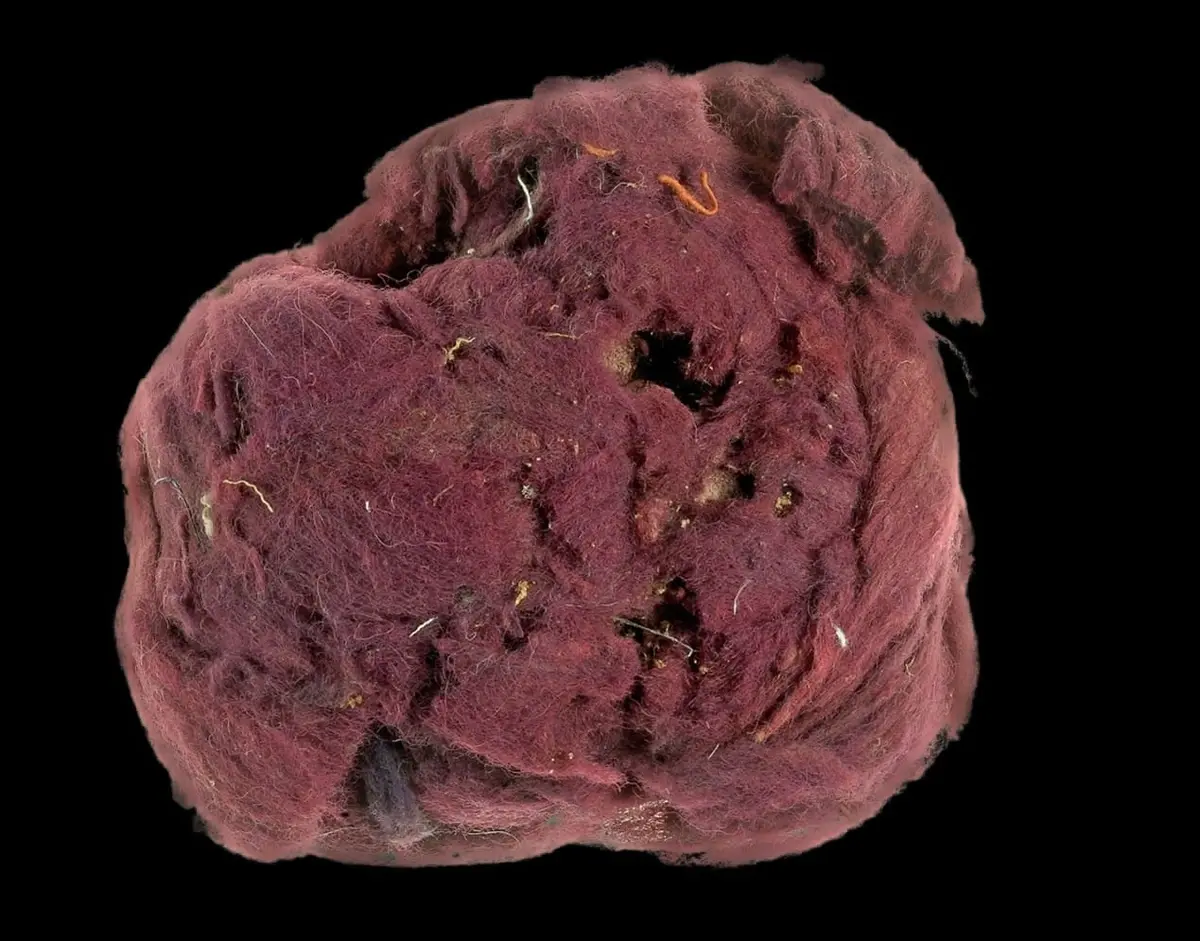
“Dyeing with murex was a labor-intensive process that required a large number of snails. Today, we can identify the unique molecular composition of murex to determine whether the fabric was truly dyed with the most prestigious dye of the ancient world,” said Dr. Naama Sukonik, curator of the IAA’s organic materials department and an expert on ancient dyes.
Fake Dyeing Techniques
Laboratory analysis of counterfeit fabrics has proven that deep purple shades often resulted from double dyeing with two plants that were widely used in the ancient Near East. This included madder (Rubia), which produced red, and woad (Isatis tinctoria), which yielded a blue dye often called Near Eastern indigo.
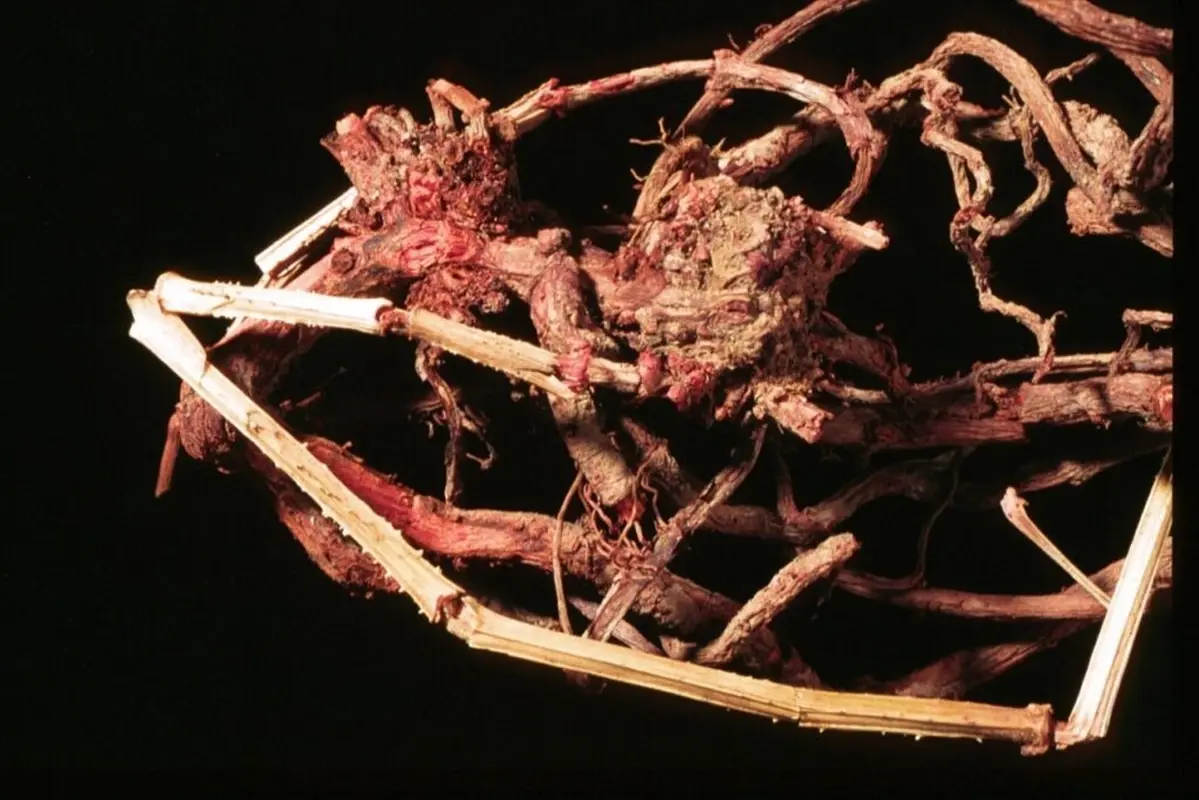
View of fabric with plant dye particles under a microscope
By carefully dipping fabric into a madder bath and then into a woad bath (or vice versa), dyers could create a rich shade that was visually indistinguishable from royal purple. The process required skill but did not involve sea snails or complex chemical extraction.
“Double dyeing helped create an exquisite imitation that could easily be mistaken for genuine royal purple. Madder and woad were widely available, significantly cheaper, and easier to work with than murex snails,” explained Dr. Sukonik. The technique created an illusion of status for a fraction of the cost.
The Legacy of the Counterfeit Market
This discovery sheds light on an ancient phenomenon that feels surprisingly modern. People who wanted to appear fashionable could buy counterfeit items without paying exorbitant sums.
The number of counterfeits found indicates these practices were common and widely accepted in ancient Rome. This was not a Roman invention: a Babylonian cuneiform tablet from the 7th century BCE described a recipe for imitating expensive purple.
“Human nature hasn’t changed,” says Dr. Sukonik. “Even in ancient times, people wanted to appear as if they belonged to the upper social class. The use of artificial dyes made this possible.”