
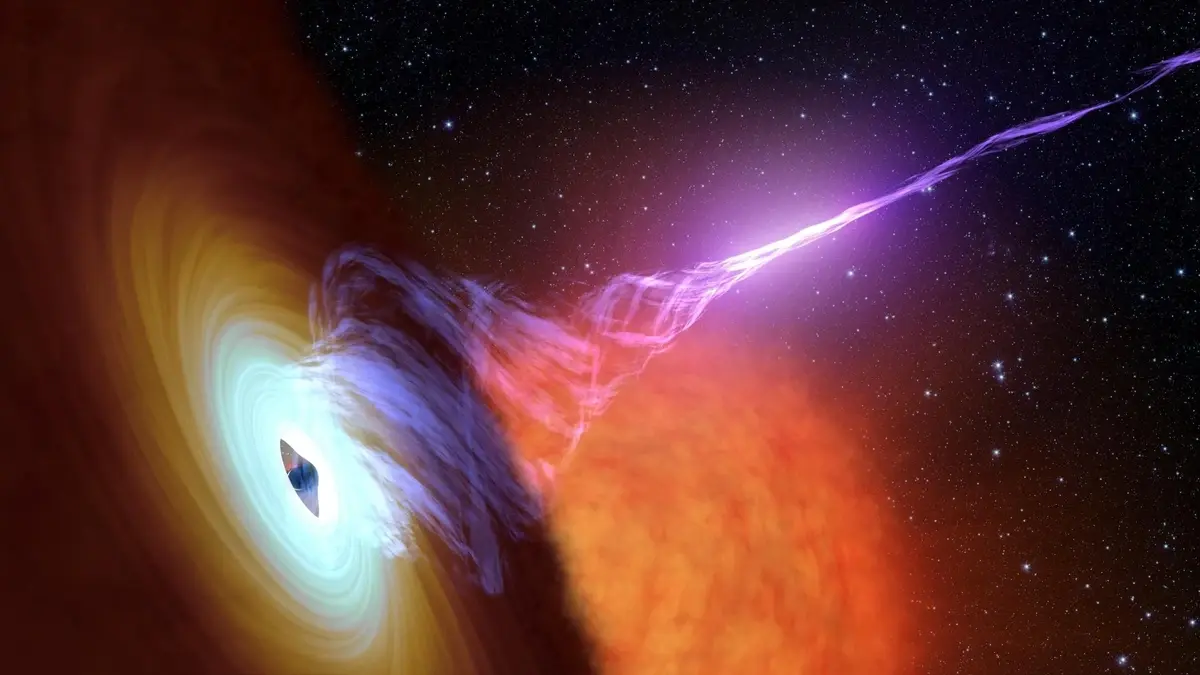
 A team of astronomers from Oregon State University and Harvard University, led by astrophysicist Ivette Sendres, has discovered a supermassive black hole behaving strangely.
The radio emissions from it are among the brightest and most energetically powerful phenomena the team has ever seen. The astronomical event has been officially named AT2018hyz, but the researchers have humorously dubbed it Jetty McJetface.
What Shocked the Researchers?
The team says that for four consecutive years the black hole has suffered from what they call “cosmic indigestion.” It’s been ejecting debris from a star it tore apart after the star wandered too close.
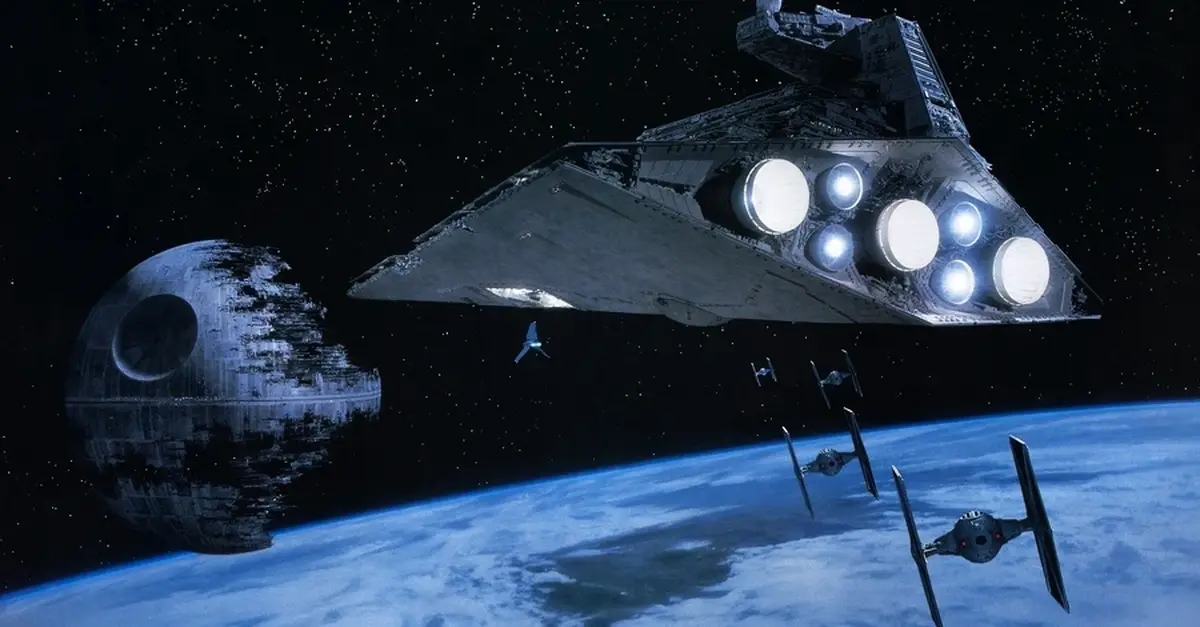
The researchers estimate the jet’s energy is “trillions, if not hundreds of trillions of times” greater than the Death Star’s energy output.
For context: the “Death Star” is a battle station in the fictional Star Wars universe roughly the size of a small planetoid — a Galactic Empire superweapon capable of destroying entire planets.
Astronomers have long documented stars getting torn apart by black holes. But a black hole that continues to emit such enormous amounts of energy years after consuming a star is unprecedented.
How It All Happened
The process began in 2018 when a small star was ripped to shreds after coming too close to a black hole located 665 million light-years from Earth.
This so-called “tidal disruption event” (TDE) is something astronomers regularly observe.
In this case, the black hole’s gravity shredded the nearby star in a process called “spaghettification,” which stretches objects into long, thin shapes as gravity pulls unevenly.
However, nearly three years later the black hole began emitting a tremendous amount of energy as radio waves — a spike first reported by the Daily Mail.
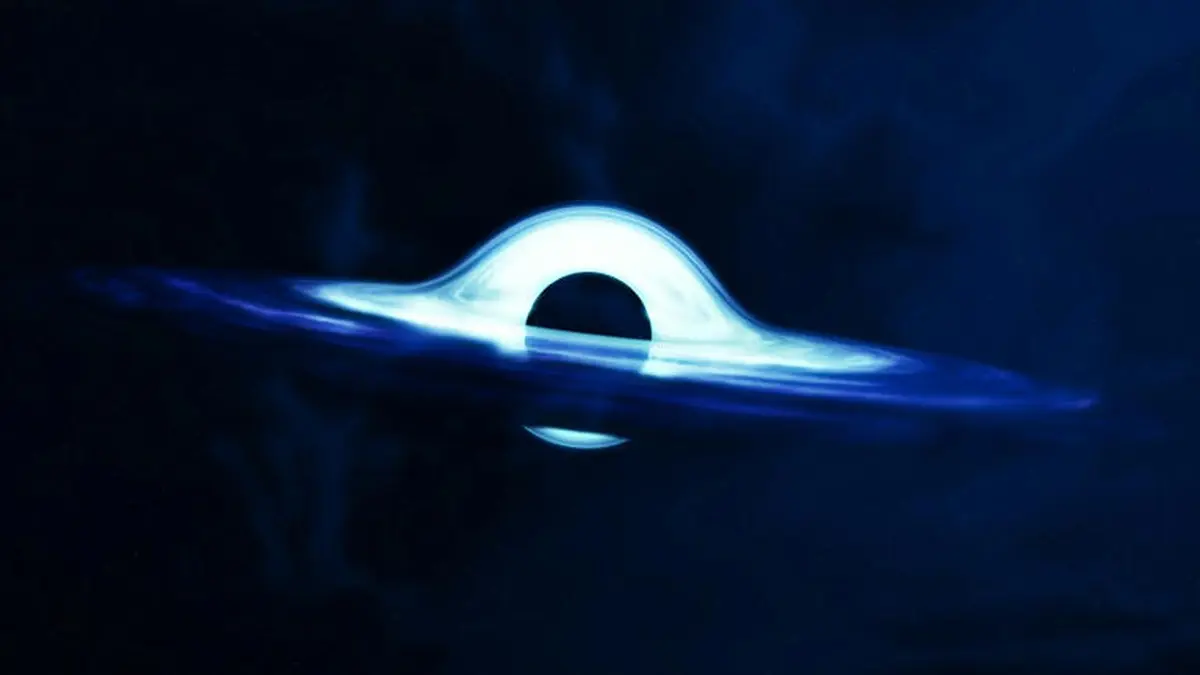
The team says the black hole’s radio output has sharply increased over the past few years, making it about 50 times brighter than at the start of their observations.
Astronomers predict the radio emission will keep growing and peak in 2027.
“This is truly unusual. It’s hard to imagine that this has been developing for so long and in this way… No one has ever seen anything like this before,” Sendres said. The team’s calculations suggest it is one of the most powerful single events ever recorded.
Co-author Edo Berger, a professor of astronomy at Harvard University, added: “We’ve been studying tidal disruption events with radio telescopes for over ten years. Sometimes they emit radio waves right as a star starts to be consumed. But AT2018hyz was radio-silent for the first three years, and now it has suddenly switched on, becoming one of the brightest radio-emitting tidal events ever observed.”
The team will continue monitoring the object. They’re eager to see how it behaves in the coming years.
The results of the study were published in the Astrophysical Journal.