
 A surge of cases is currently being reported in West Bengal, in northeastern India. Key information about this deadly disease has been compiled by The Guardian.
The Nipah virus is a zoonotic disease, meaning it can be transmitted from animals to humans. In rare cases it can also spread from person to person. It has a high mortality rate, and there is currently no specific treatment available, the World Health Organization (WHO) says.

What do you need to know about this deadly virus?
Following the confirmation of five Nipah virus cases in India, airports across Asia have been placed on high alert.
The government has not provided details about the infected patients but said that nearly 200 people who were in close contact with them have been tested. The Indian Ministry of Health assured that the virus has been “contained in a timely manner.”
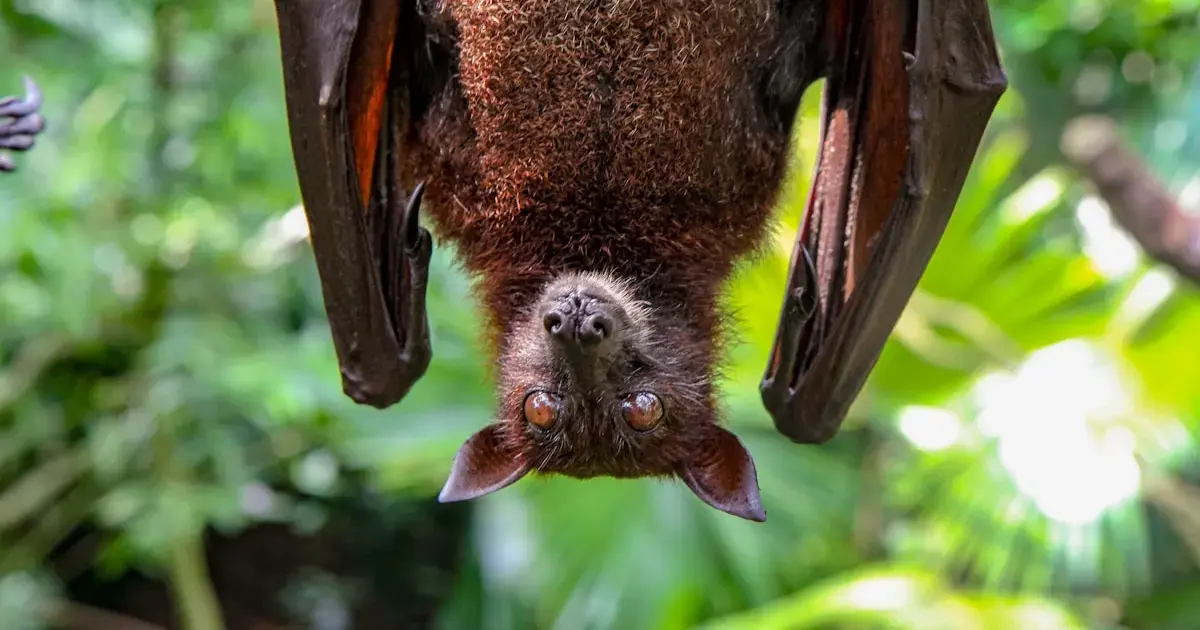
Nipah is transmitted to humans from animals, such as pigs and bats, either through direct contact or via bodily secretions.
The virus can incubate in the body for 4 to 14 days. Initial symptoms include high fever, nausea, vomiting, and respiratory problems, which can develop into pneumonia. In severe cases, dangerous brain swelling can occur, along with neurological symptoms such as drowsiness and seizures.
WHO says the virus poses a high risk of outbreaks because there is no vaccine available. The mortality rate ranges from 40 to 75 percent, far higher than that of COVID-19.
When have previous outbreaks occurred?
The disease was first identified in 1998 among pig farmers in Malaysia, resulting in more than 100 deaths. The virus was named after the village where it was discovered.
Since then, outbreaks have occurred across Asia almost every year, most frequently in Bangladesh and also in India, Singapore, Malaysia, and the Philippines. The first documented case in India occurred in 2001 in West Bengal, which borders Bangladesh.
The virus is often linked to the collection of date palm sap in Bangladesh, where infected fruit bats frequently roost in the palm trees.
In 2018, at least 17 people died from Nipah in the Indian state of Kerala, and two more deaths were reported in 2023.
How are countries protecting their populations from the disease?
Nipah has returned to West Bengal for the first time since 2007.
The Indian Ministry of Health announced the rapid deployment of enhanced epidemiological measures, laboratory testing, and field investigations to ensure timely containment of the disease. Officials said the situation is under constant surveillance.
Meanwhile, Thailand, Nepal, Indonesia, and Vietnam are screening all arrivals into their countries. Myanmar authorities have advised against non-essential travel to West Bengal, and China has stepped up disease control measures in border areas.
Photo: Unsplash