
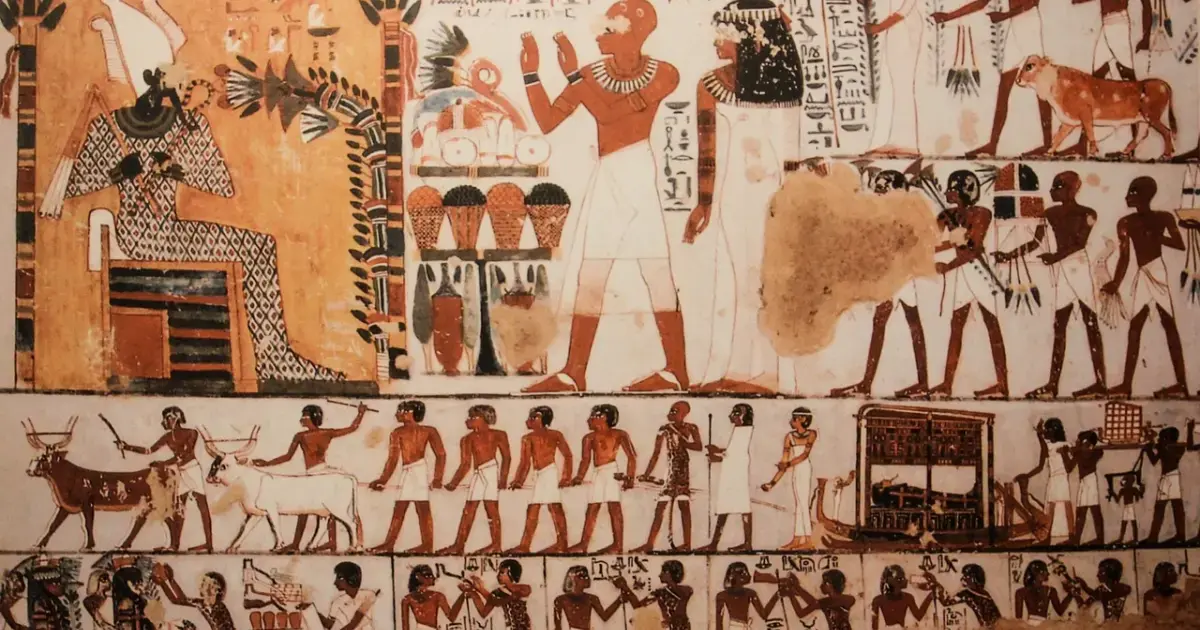
We often picture Tutankhamun’s treasures as piles of gold waiting to be dusted off. But a recent Live Science piece shows that the pharaoh’s real secrets came into focus only after researchers used CT scanners and 3D modeling.
A Medical Diagnosis After 33 Centuries
Why the sudden interest in Tutankhamun’s footwear? Until recently, the 80 pairs of sandals in his tomb were seen as symbols of luxury. Modern medical analysis of the mummy and digital modeling of his gait have changed that view.
CT scans confirmed that the young king suffered from Kohler’s disease (bone necrosis of the foot) and had a congenital clubfoot. Through digital reconstruction, researchers modeled how he moved. Without special support, each step would have caused him excruciating pain. That turns his sandals from accessories into essential medical prosthetics.
3D Printing of the Past
Thanks to new digital analysis technologies, archaeologists discovered features in the design of the sandals that were previously thought to be decorative.
Asymmetrical straps: The 3D models clearly show that the fastenings on the left and right sandals differ. This wasn’t a craftsman’s mistake but an individual adjustment for his deformed feet.
Rigid transverse inserts: Laser scanning of the soles revealed a system of internal supports that functioned like modern orthotics, distributing weight and helping prevent falls while walking.
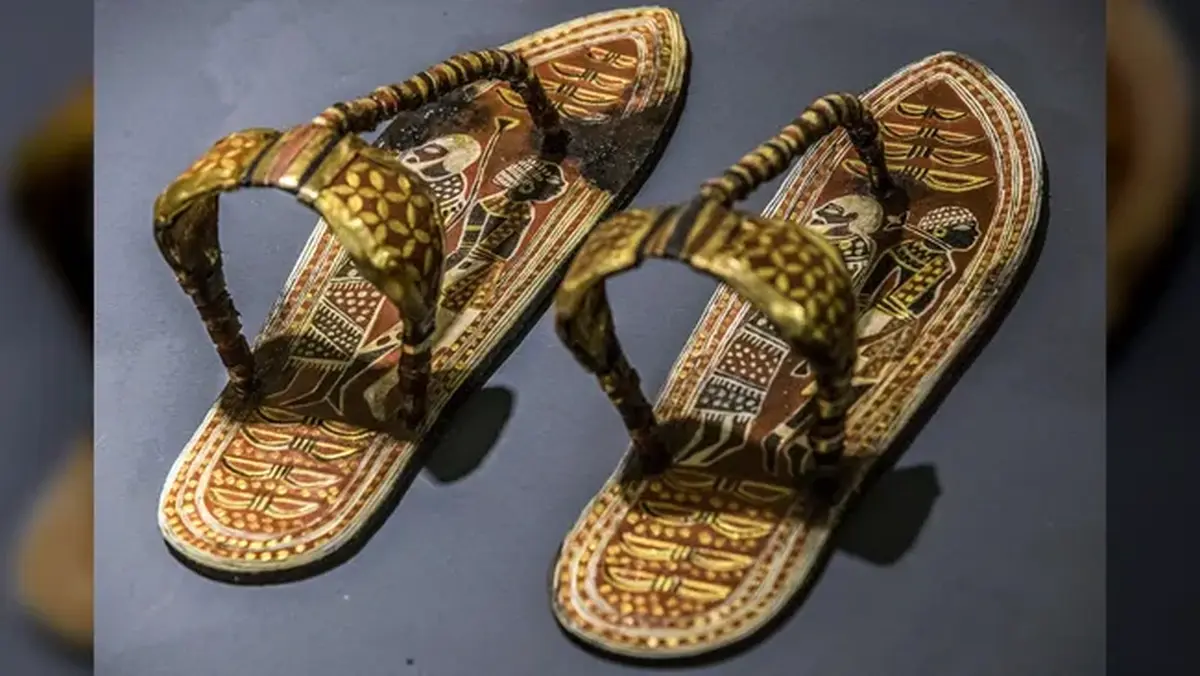
Propaganda on the Soles: A Digital Close-Up
New macro photography and pigment analysis let researchers examine the enemies depicted on the insoles up close. These aren’t just drawings but composite inlays made from various types of leather and bark. The contrast is striking: the man whose gait models show him unsteady and in pain was being portrayed as literally ‘crushing’ enemies underfoot with every step. It was a form of constant state propaganda: the pharaoh was going about his business while physically demonstrating who was in charge. Although long considered a frail youth, new research suggests he may have participated in real battles despite his ailments.
This technological ‘X-ray’ of history suggests Tutankhamun was among the earliest known users of custom orthopedic footwear. While we’re testing smart sneakers today, the idea of ‘footwear as medicine’ goes back to the chariot-and-papyrus era.
For more details on the scanning methods and photos of the finds, see the Live Science article.