
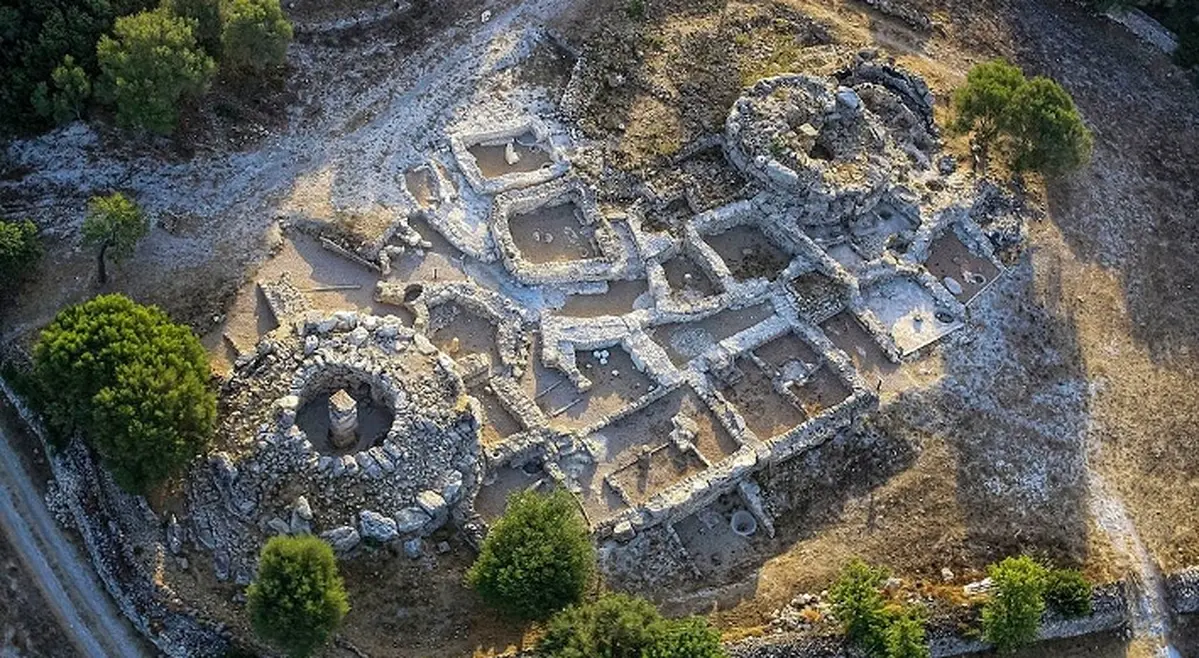
 A research team from the Department of Social Mediterranean Archaeology at the Autonomous University of Barcelona has uncovered an ancient Roman city during excavations on the Spanish island of Mallorca.
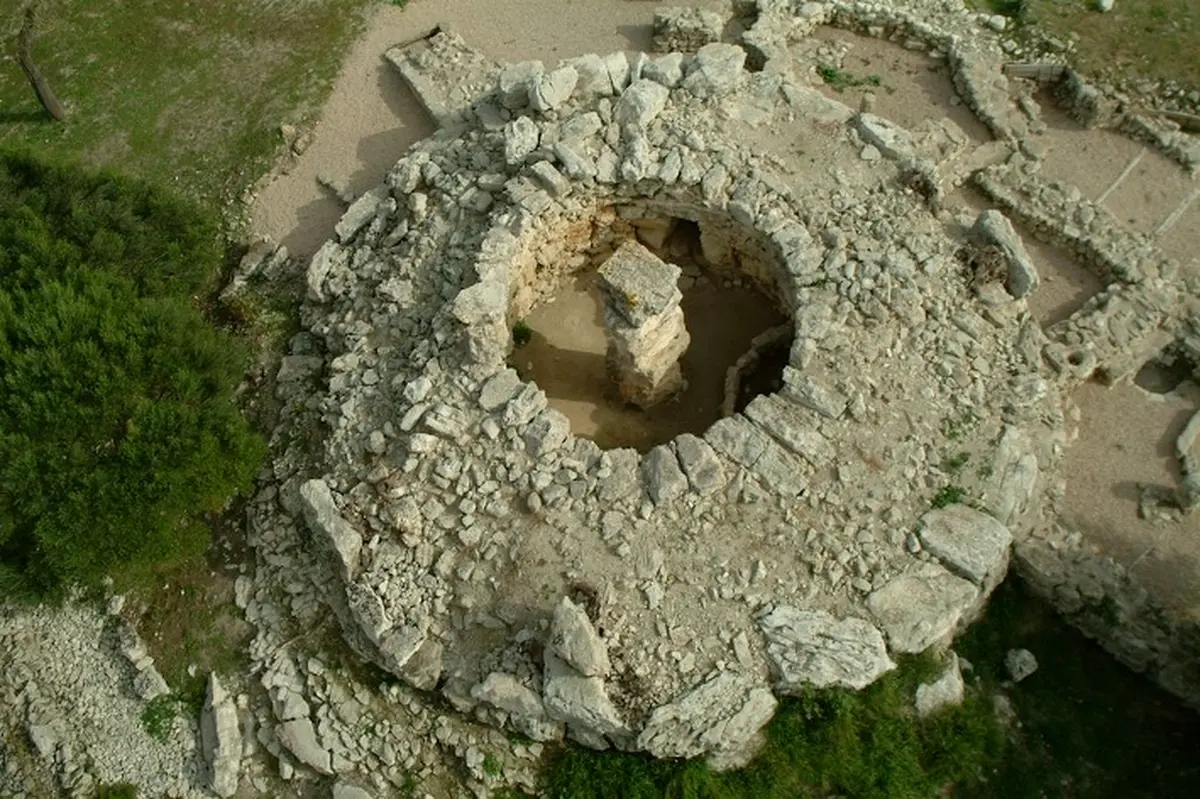
The city was hidden beneath layers of centuries-old soil at the archaeological site of Son Fornés, near the town of Montuïri. The structures uncovered by the archaeologists align with a meticulously planned Roman urban layout. Experts believe they may have unraveled a mystery that has puzzled historians for centuries.
According to the researchers, this could be one of the long-lost — Tucis or Gium — mentioned by Pliny the Elder. Their geographical locations have remained unknown until now.
The team has been conducting excavations at Son Fornés for about 20 years. However, the discoveries made during the recent excavation season have elevated the project to a new level.
The area excavated spans approximately 5,000 square meters, as reported by Arkeonews. According to Beatriz Palomar, the lead archaeologist, the findings are so compelling that the team is even willing to argue that Tucis was built right here.
Why Are Tucis and Gium Important?
Tucis and Gium are among the greatest mysteries of Roman Mallorca. It is believed that both cities were founded after the Roman general Quintus Caecilius Metellus conquered the Balearic Islands in 123 B.C. This marked the full integration of Mallorca into the Roman world. Meanwhile, the cities played a crucial role in governing the island, collecting taxes, and spreading Roman law, culture, and infrastructure.
Despite mentions by Pliny the Elder, Tucis and Gium have never been definitively identified.
The researchers were impressed by both the scale of the structures and the quality of the artifacts found. They discovered tegulae — traditional Roman roof tiles that were imported from other regions. This indicates a high status for the buildings. Additionally, exquisite pottery and amphorae suggest developed trade connections and the population’s wealth.
Under Roman rule, Mallorca gained strategic importance due to its location in the western Mediterranean. The Romans built roads, constructed ports, and developed agriculture. Cities like Pollentia (near modern-day Alcúdia) thrived as administrative and commercial centers.
Did archaeologists truly find Tucis or Gium? This will become clear during the next excavation season when researchers will focus primarily on studying the city center. Archaeologist Vicente Lluís commented on the team’s achievements: “We are uncovering pages of history that have never been written.”