
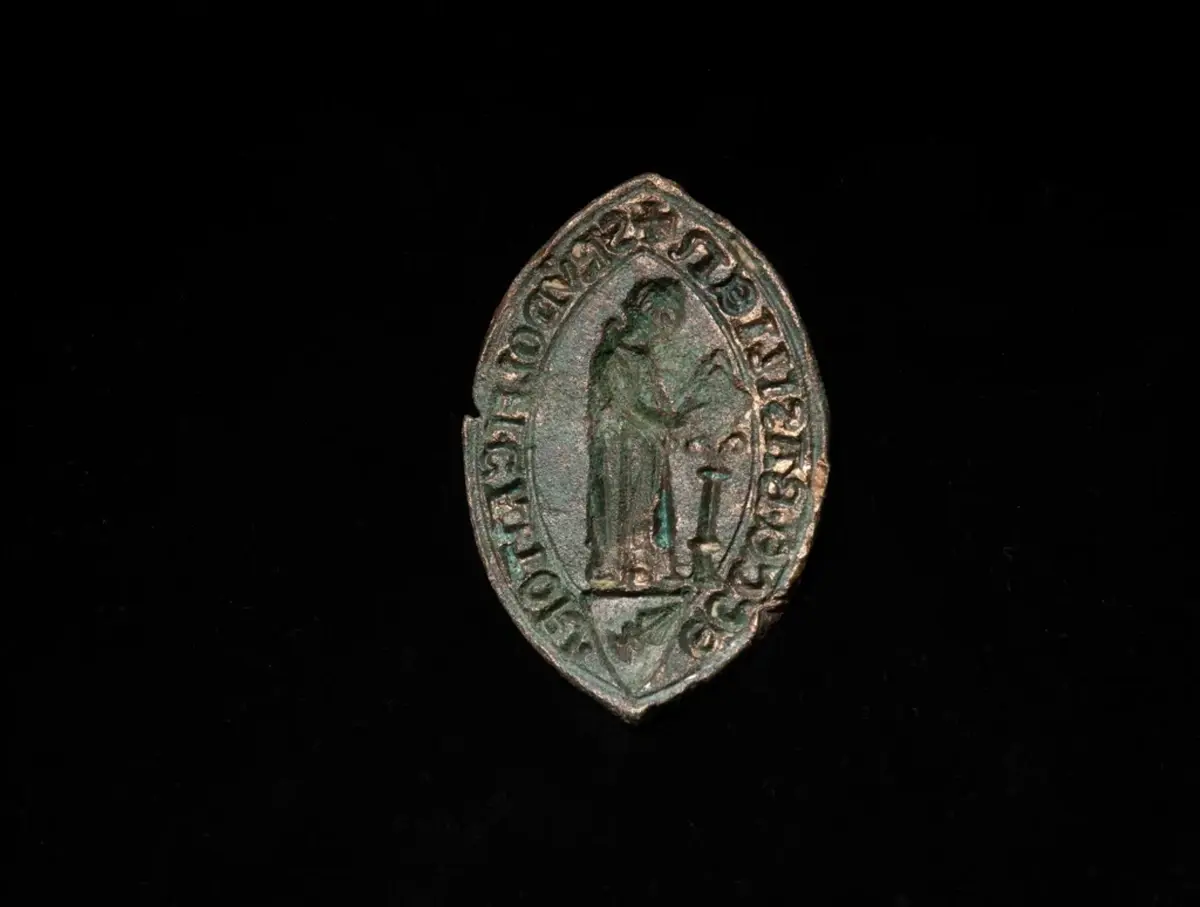
 A rare belonging to Rudolf Kraft, the cantor of Basel Cathedral, was discovered during engineering work beneath the famous Pfalz terrace in Basel. In addition to the seal, researchers also unearthed Roman coins and remnants of a 19th-century public bath. This discovery has been hailed by scientists as one of the most significant in recent years.
The brass seal, measuring 4.8 centimeters and inscribed with ECCE(LESIA). BASILIEN(SIS) + S(IGILLVM) RVDOLFI.CANTORI, belonged to Rudolf Kraft. From 1296 to 1305, he held the position of domcantor at the Basel Cathedral, where he oversaw liturgical singing, provided musical education for the clergy, and performed administrative duties, including organizing religious ceremonies. This esteemed position combined musical authority with institutional responsibility, making it central to the spiritual and cultural life of the medieval .
What else is known about underwater discoveries?
Finding an ancient seal in such excellent condition is an extraordinary rarity. Archaeologists have referred to this discovery as a “happy find,” shedding new light on the religious and administrative history of the city.
Researchers also stumbled upon several ancient Roman , including a silver siliqua of Emperor Gratian, which was also well-preserved: it was minted between 375 and 378 AD. The coins provided scholars with valuable information about ancient river trade routes and daily life along the Rhine, as reported by Arkeonews.
In this section of the river, archaeologists have previously uncovered remarkable artifacts. For instance, during the winter of 1932-1933, researchers found 580 Roman coins and numerous medieval items.
Now, the archaeologists who retrieved the cantor’s seal from the bottom of the Rhine have also discovered the remains of Basel’s first public swimming pool, built in 1831. This finding serves as a reminder of the times when the Rhine began transforming from a transportation artery into a place for leisure and entertainment.
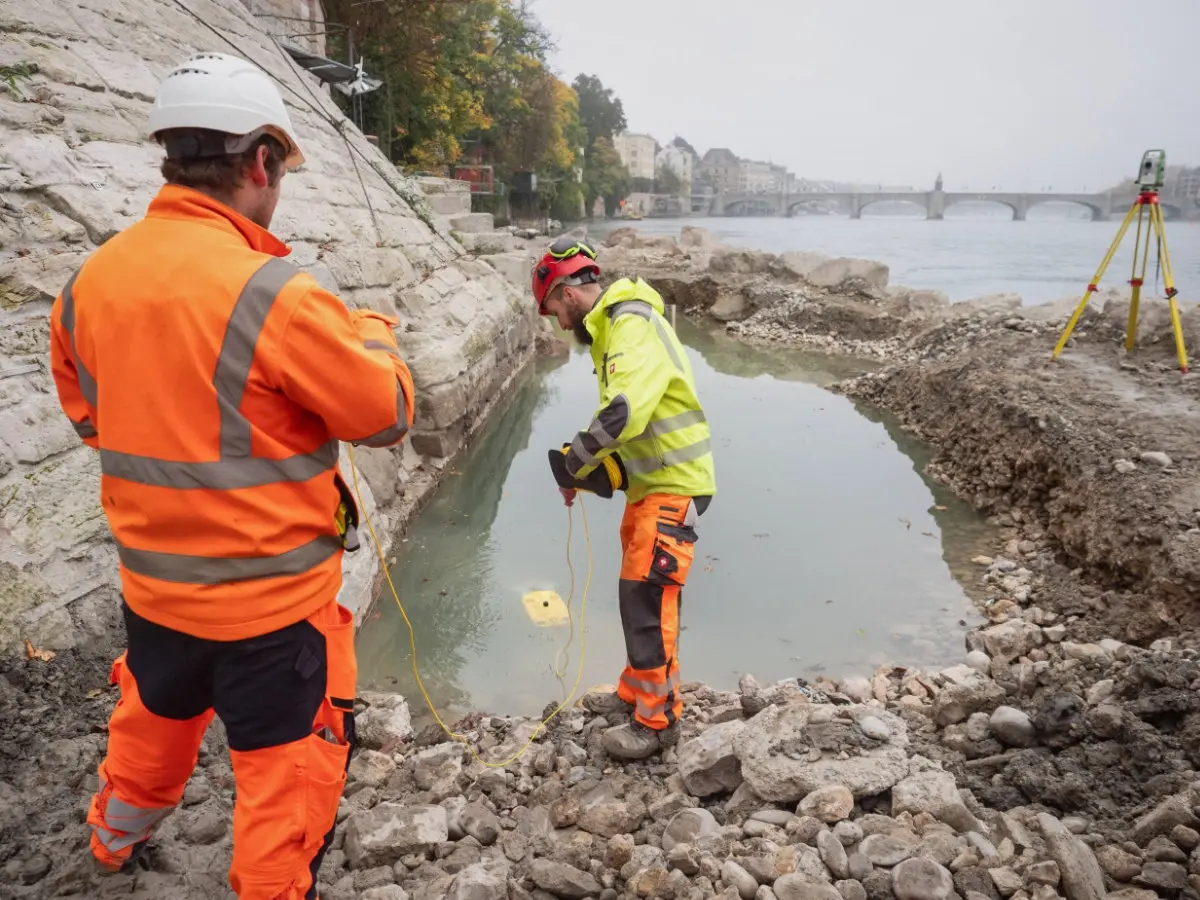
To document and recover fragile items from the river, the Basel-Stadt Archaeological Service utilized underwater cameras, drones, and metal detectors. These tools helped explore the hard-to-reach area between the shore and the riverbed, shaped over centuries by currents, sediment, and human activity.