
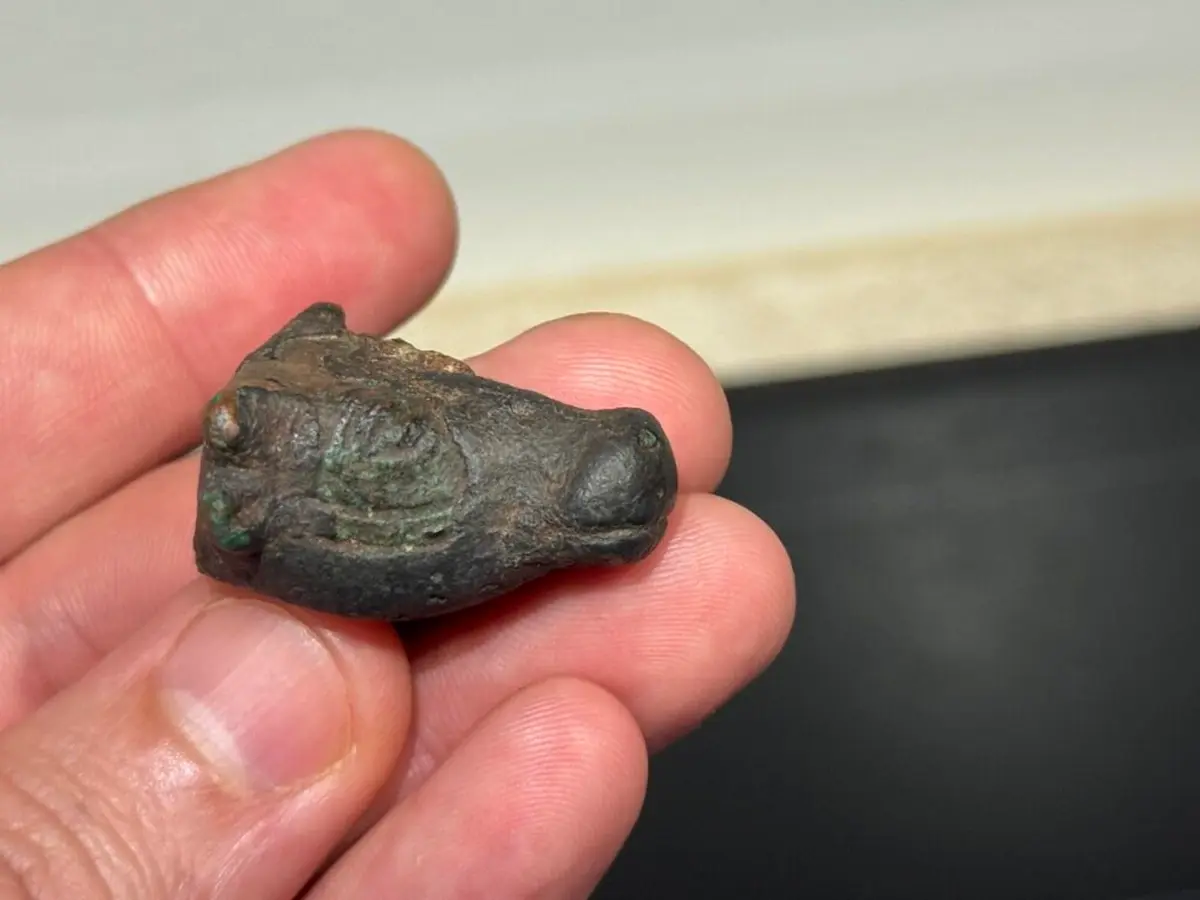
While hiking the Serra de Tramuntana, tourist Josep M. Buils stumbled on a unique ancient artifact and immediately notified archaeologists.
Members of the Almallutx research team were astonished by the find — a small bronze bull head — and called it an exceptional archaeological discovery. Later, scientists said that the likely dates to the prehistoric post-Talayotic period and could provide valuable new information about the ancient societies that inhabited the island more than 3,000 years ago.
Why this bronze bull head is a rare archaeological find
The artifact is remarkably well preserved. The animal’s features — especially the snout and eyes — are clearly visible. The sculpted head is executed in a stylized manner that fits prehistoric Mediterranean artistic traditions.
suggested that the object was once part of a full bull sculpture or a standalone decorative element. It might have been attached to a ceremonial object or to a structure. Researchers have repeatedly found depictions of bulls during excavations in Mallorca, but bronze examples have been extremely rare. That rarity makes this discovery special.
The Almallutx team said that the bull image held ritual or symbolic meaning in prehistoric Mediterranean cultures. In ancient farming communities, bulls were associated with strength, fertility, and protection, Arkeonews reported.
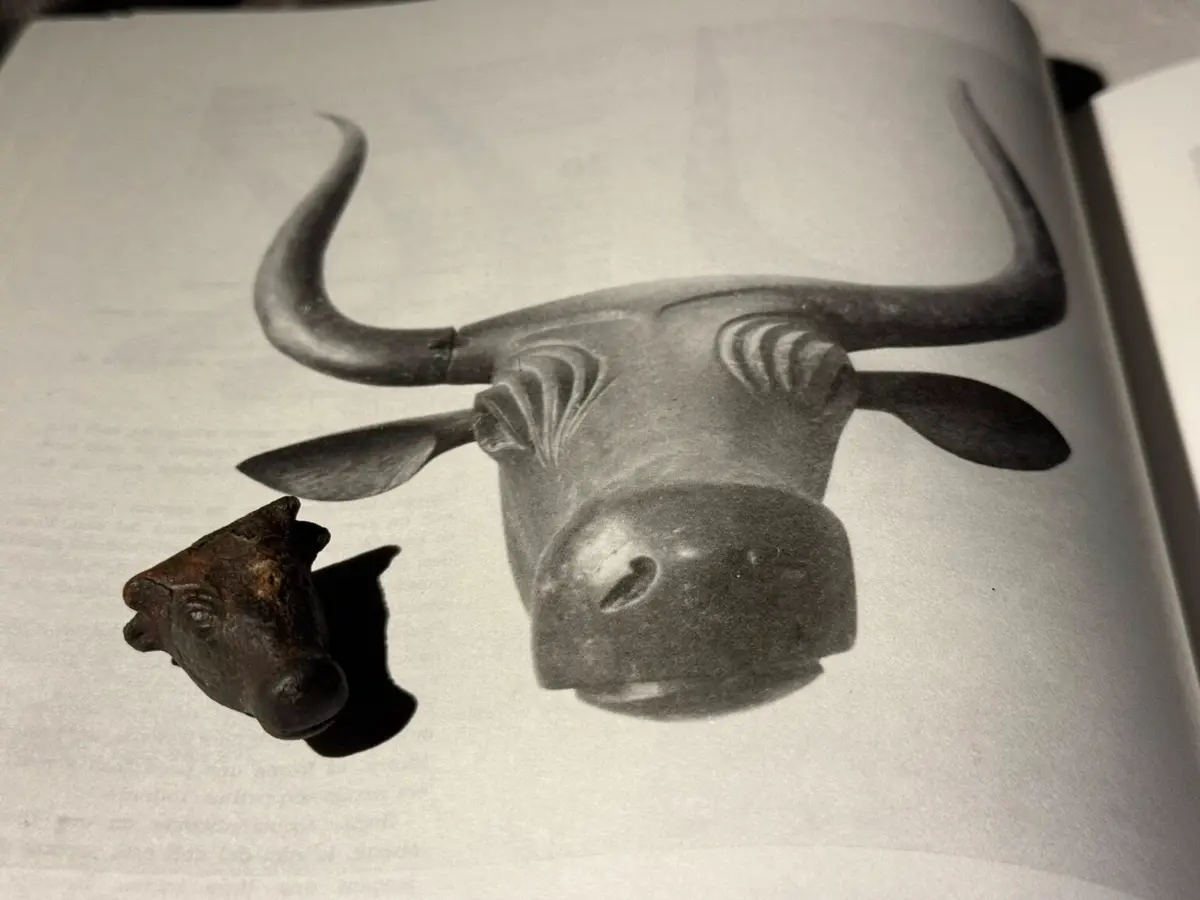
Experts believe the artifact belongs to the post-Talayotic period, which was preceded by the Talayotic period.
Talayotic culture was a unique prehistoric civilization that existed roughly from 1000 to 123 BCE on the Balearic Islands (Mallorca and Menorca). Its hallmark was the construction of talayots — massive megalithic towers built of dry stone. The culture is known for its defensive structures, ritual “taulas,” and social hierarchy.
Post-Talayotic communities on Mallorca lived in fortified settlements and demonstrated a high level of skill in metallurgy, pottery, and ritual architecture. Archaeological evidence indicates that symbolic objects and animal depictions played a significant role in these people’s spiritual life. Images of bulls were often linked to rituals intended to ensure the prosperity and protection of local communities.
The recently discovered bronze bull head has not only given researchers a glimpse into the daily lives of the island’s earliest inhabitants; it also demonstrates that local ancient craftsmen had the skill to create artistic metal objects at a time when bronze metallurgy was still developing.
Researchers hope to determine the object’s exact age and the technique used to make it. If tests confirm the bronze bull head dates to the post-Talayotic period, it will become an important exhibit in the island’s prehistoric heritage collection.
ArqueoTramuntana, an association for archaeological research and cultural heritage, reported the discovery.