
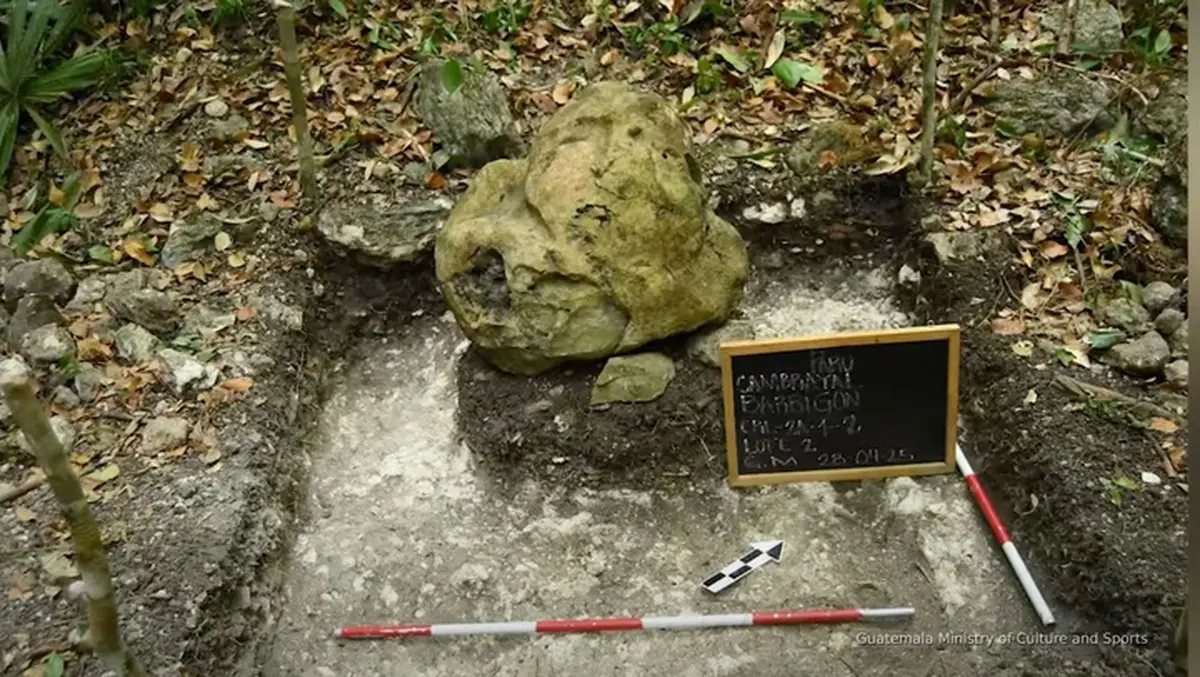
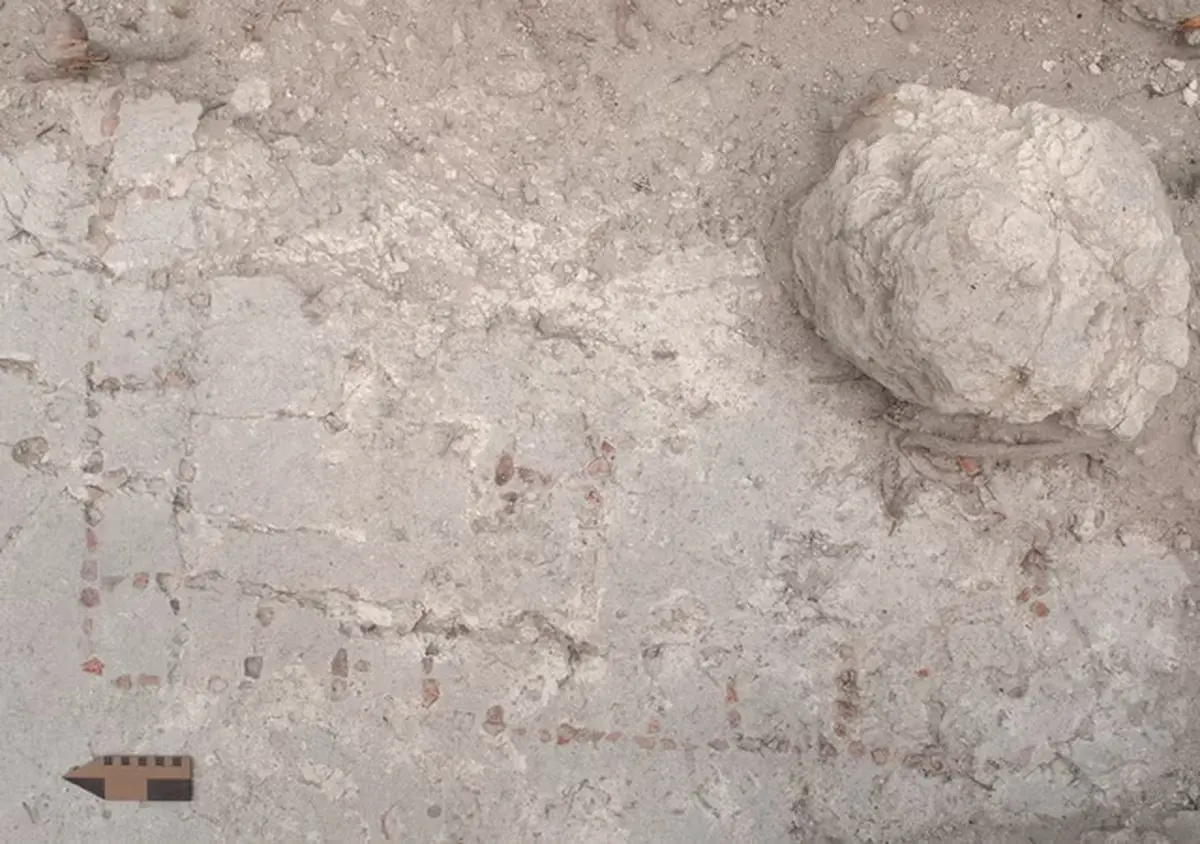
 This discovery in the regional capital of the Maya, Nakhtun, has provided researchers with new insights into the ancient gaming traditions of the Mayan civilization. The board consisted of 45 squares made up of 478 red mosaic tiles. According to the researchers, it is these mosaic tiles that make the board a unique find.
The researchers stated that this is a playing field for patolli, one of the oldest gambling board games enjoyed by ancient Mesoamerican peoples. The basis for patolli was a cross-shaped board with squares, typically painted or engraved. The function of dice was performed by beans that had a depression on one side, as reported by Independent.
Previously, archaeologists had found playing fields of this type on benches and even on the walls of temple or palace structures. This newly discovered board, which has been preliminarily dated to the 4th or 5th century CE, was embedded in the floor of a prestigious residential building.
What else is known about this discovery?
The tiles of the patolli board, which archaeologists unearthed at the ruins of Nakhtun, were likely crafted by Mayan artisans from fragments of broken ceramic vessels.
Since part of the playing field was damaged, the scientists could only estimate its overall structure. They calculated that the original width of the board was about 78 cm, while its length was 110 cm.
Researchers speculate that the use of mosaic in the playing field indicates that the board was part of an architectural or design concept.
“Floor are an exceptional, rare phenomenon in Mayan architecture. While there are numerous examples of portable artifacts made or decorated in mosaic techniques using shells, limestone, jade, or turquoise, to our knowledge, there were no examples of floor mosaics in this part of the Western Hemisphere prior to the colonial period,” the scientists emphasized in their article about their new research published in the journal Latin American Antiquity.
The researchers also noted that the technique used to create the board allows for a new perspective on how the Maya played this board game. Furthermore, “the use of mosaic indicates a longer lifespan” for this board compared to those that were simply painted.