
Typically, the advice to dry washed items ‘flat’ brings a smile, especially when the item in question is, say, a two-meter-long scarf. But don’t wring washed items—that can deform the fabric. Instead, fold the item neatly in half, in thirds, or in quarters, and hang it over the bathtub to let the water drain.
Wrap the item in a clean cloth (an old bedsheet works well), press gently to remove excess water, and lay it out on a table or even on the floor with clean paper underneath. A drying board is also handy—rest one end on the balcony railing and the other on the windowsill.
Items with colorful embroidery or mixed-color details may bleed. When hanging them to dry, position darker colors at the bottom and lighter ones at the top.
Experienced homemakers say laundry hung to dry without wringing stays whiter. Try it for yourself. In any case, most modern fabrics that contain synthetic fibers can be damaged by wringing or develop wrinkles that won’t smooth out.
Iron silk, linen, and synthetic blends while they’re still slightly damp.
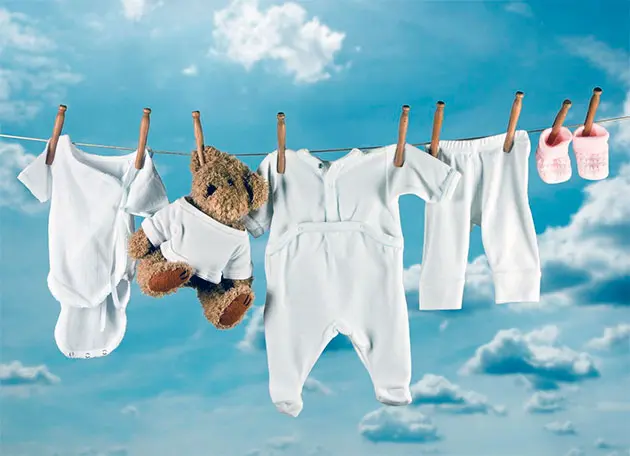
Hanging children’s items—socks, handkerchiefs, aprons, and the like—can be tricky. Find drying racks in stores: a metal rod with 10–12 clothespins. They’re convenient, letting you hang many items in a small space. Even better, make your own drying rack: hang two or three rings with attached clothespins from a hook.
Hang pants from the cuffs (the bottom), and hang skirts by the waistband using several clothespins. Dry men’s shirts—whether cotton or linen blends—without wringing; hang them on hangers. Do the same for jackets, sweaters, and coats. Use hangers with rounded shoulders sized to fit the garment.
Dry knitwear made from bulky yarn, and items made of corduroy, plush, or panne velvet carefully to avoid clothespin marks on them.
