
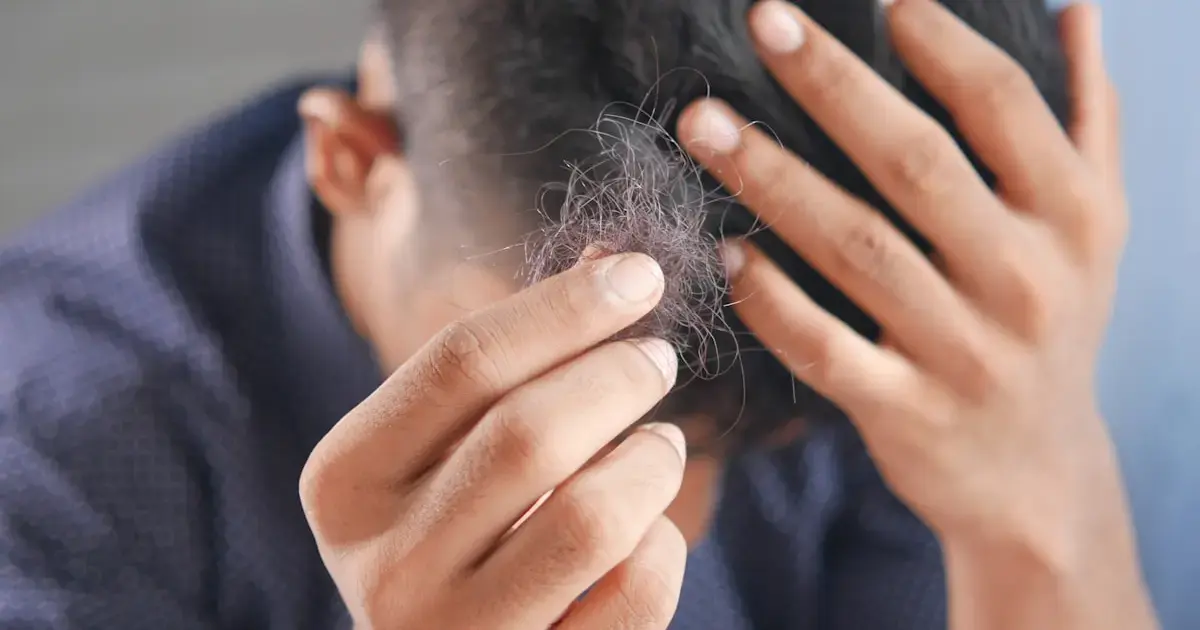
 Researchers at Harvard University found that when severe stress kills hair follicles, the body’s immune system becomes primed to attack more follicles during later similar events.
Scientists have long known that stress affects our health, particularly the functioning of the immune system. However, the exact mechanisms by which stress damages various tissues have remained poorly understood. For instance, it was unclear whether an acute stress episode could leave long-term effects.
Some previous studies hinted that stress not only affects hair follicles immediately but can also have long-lasting impacts.
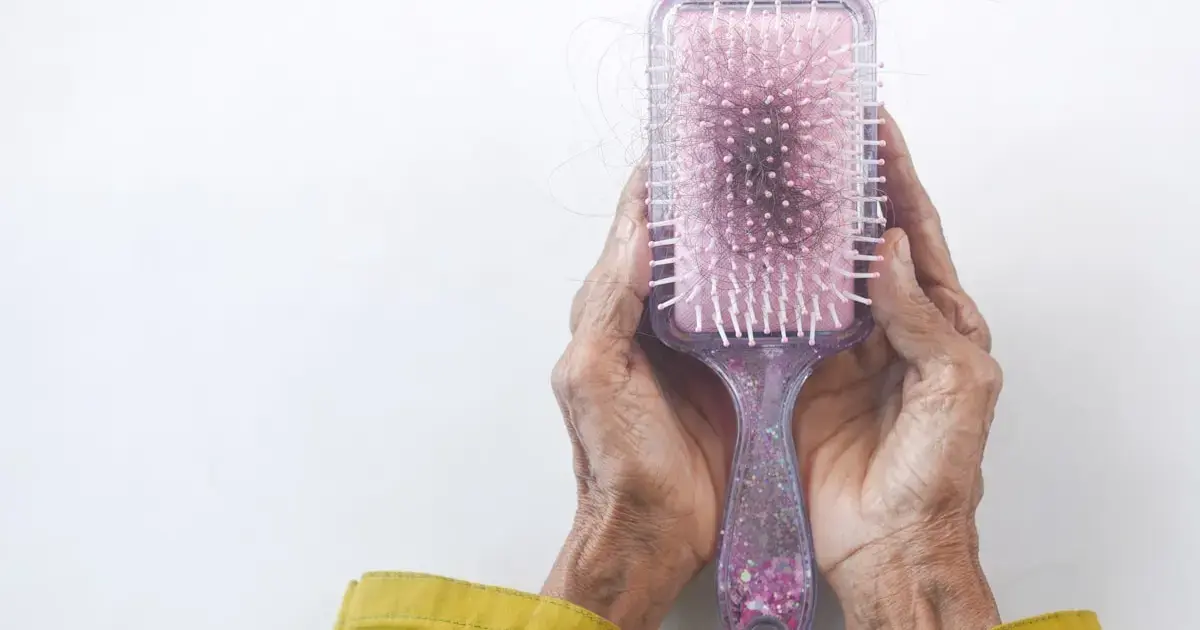
Tested on Mice
Now, researchers have shown that stress can trigger and rapidly activate certain immune cells, leading to a recurrence of hair loss in the future.
Using laboratory mice, the team found that acute stress hyperactivates the rodents’ sympathetic nervous system — the system responsible for the increased heart rate and muscle readiness in the “fight-or-flight” response. That, in turn, activates CD8+ T cells in the mice’s immune system, which can attack hair follicles, according to The Independent.
CD8+ T cells — also called cytotoxic T cells or CD8+ T lymphocytes — play a crucial role in cellular immunity by recognizing and destroying virus-infected cells.
The researchers say that even after the initial stress subsides, these CD8+ T cells can provoke renewed hair loss during later inflammation.
“Our results showed that a single episode of acute stress causes immediate damage and thereby activates and increases the number of rare autoreactive CD8+ T cells, preparing the tissue for future immune attacks,” the team wrote in the journal Cell.
Thus, a single episode of acute stress can create a predisposition in that tissue for future damage, the researchers say. They suggested this immune response might let the body sacrifice metabolically costly cells that can regenerate, preserving essential stem cells.
The researchers say that by sacrificing some hair follicles in the face of danger, the body can conserve stem cells needed to regenerate tissue after the threat passes. This could be a “strategic compromise” to preserve limited resources for critical stress responses.
“These mechanisms help explain the onset of alopecia areata and its frequent association with stress,” the scientists noted.
The team plans to conduct further research on stress-induced hair loss involving human participants. They hope this will help them better understand the causes of diseases such as multiple sclerosis and lupus.
Photo: Unsplash