
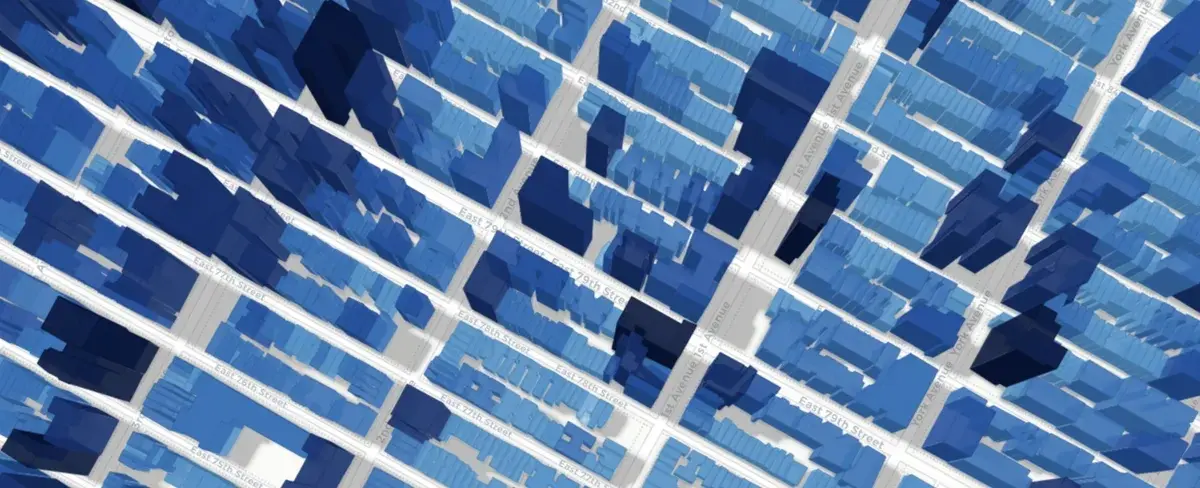
 Google Maps has a new competitor. Using a machine learning model, engineers at the Technical University of Munich in Germany have developed an interactive that displays 3D models of 2.75 billion buildings worldwide. In other words, nearly every building on the planet.
Oh, look: that’s your house!
This uplifting phrase can now be heard everywhere. Each of us has access to this wonder map, where we can find our home, no matter where it is located.
The university team applied a machine learning model to high-resolution satellite images to automatically detect building outlines and estimate their heights. The results, generated with the help of artificial intelligence, were then combined with data from high-precision maps.
Ultimately, the researchers succeeded in creating 3D models for nearly every building on Earth, as reported by IFLScience.

A New Era in Cartography
Interestingly, the previous largest global dataset for highly detailed maps contained about 1.7 billion structures—over a billion fewer than what GlobalBuildingAtlas boasts. This makes it the “most comprehensive collection of data of its kind,” noted the project’s authors.
Among all the buildings mapped, your home, favorite restaurant, or even the hospital where you were born might be included. Each building is represented with a resolution of 3 x 3 meters, capturing its shape and size with remarkable accuracy.
The map even includes detailed representations of buildings in regions often missing from global maps, such as Africa, South America, and rural areas worldwide.
However, the developers of GlobalBuildingAtlas have issued a warning for users: “This product was created using machine learning. It may contain errors.”
This super map is not just a toy that helps save time in the or during long bus rides. Researchers hope their work will find applications in various fields of human activity, from urban planning and disaster prevention to environmental research and healthcare development.
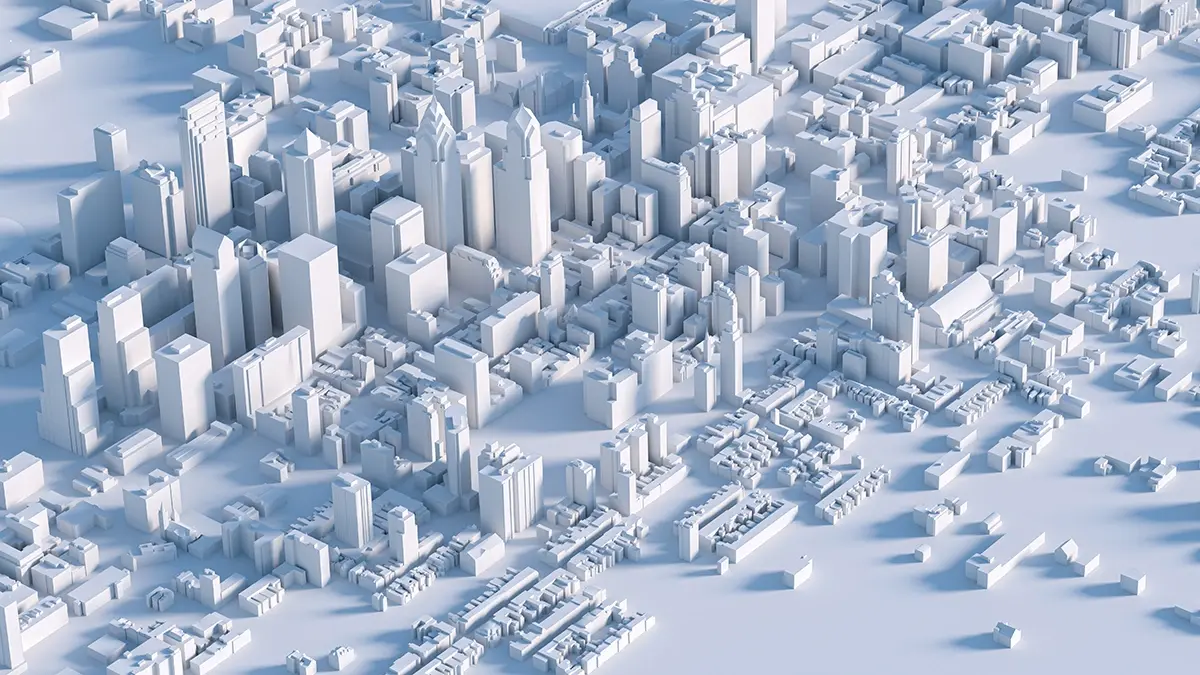
“Three-dimensional information about buildings provides a much more accurate picture of urbanization and poverty than traditional two-dimensional maps,” said Professor Xiaoxian Zhu, the project leader. “With 3D models, we can see not only the footprint of buildings but also their volume, which helps us gain much more precise insights into living conditions. We are introducing a new global metric: building volume per capita. This is an indicator of housing construction and infrastructure that reveals social and economic inequality. It will promote sustainable urban development and help cities become more inclusive and resilient,” she added.
The map is already very popular. Due to extremely high traffic, some data may not load completely.
But if you’re determined to find your own house, give it a try here.
The results of the new study were published in the journal Earth System Science Data.