
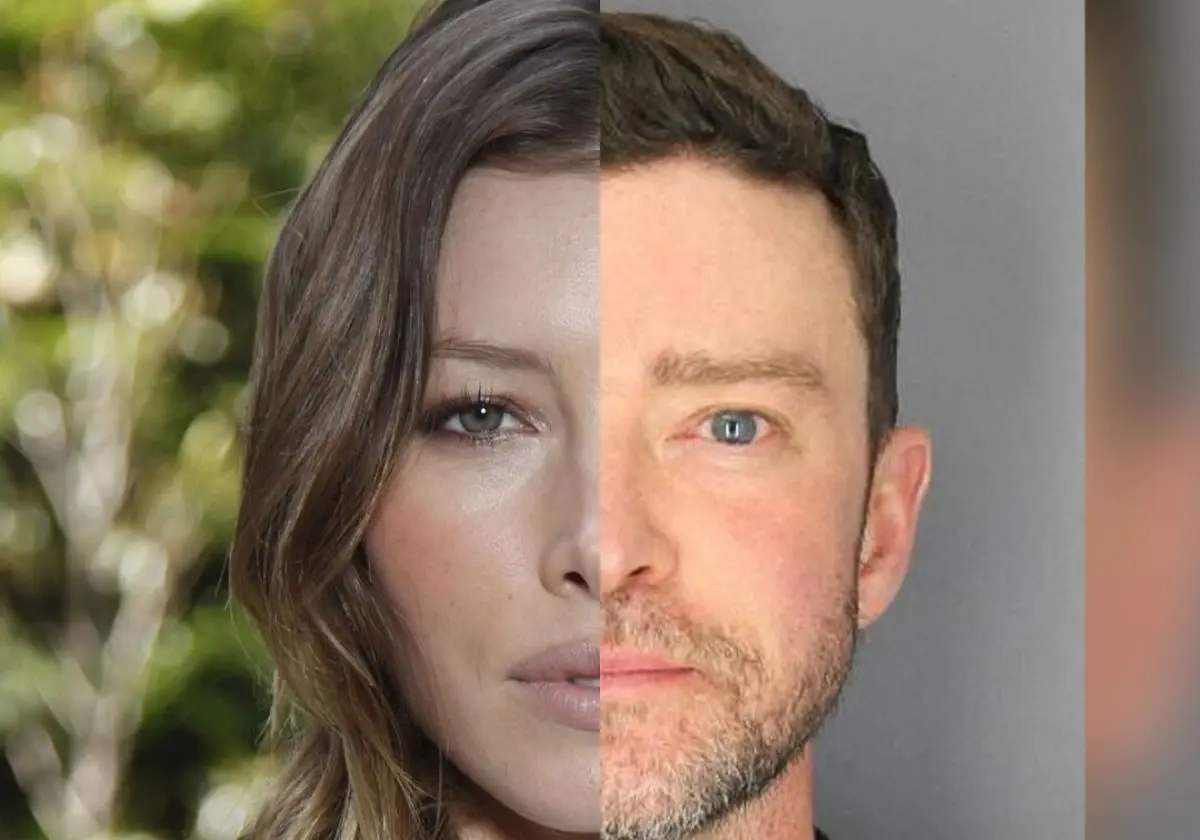
 Researchers at the Korea Advanced Institute of Science and Technology in Seoul found that women often choose men who resemble their brothers.
Kirsten Dunst and Jesse Plemons, Justin and Hailey Bieber—these couples and many others could easily pass for siblings. So, this isn’t just a coincidence.
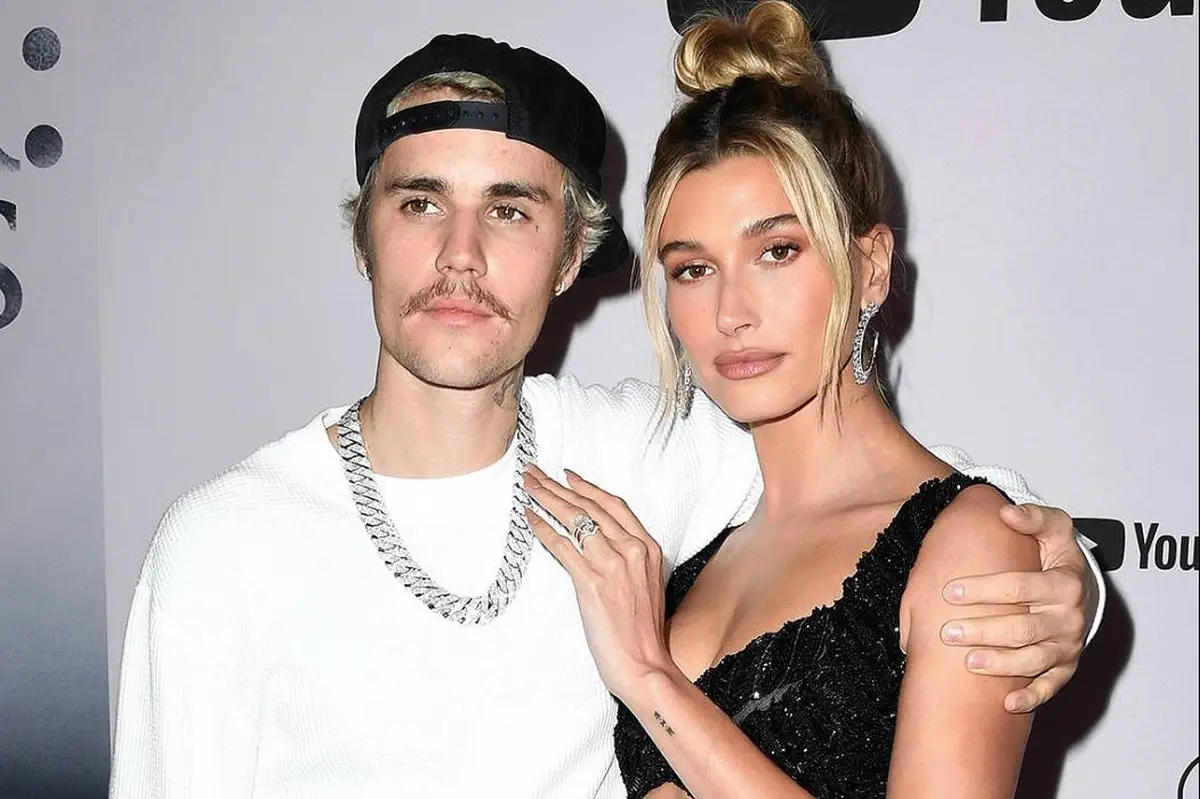
Justin and Hailey Bieber
What Did the Scientists Discover?
To find out what people primarily focus on when evaluating potential partners, the team analyzed data from more than 41,440 individuals aged 18 to 47. All participants were registered on a popular South Korean dating app, Daily Mail reported.
Using the app’s interaction data, the team analyzed 506,014 interactions among these users. The results showed that when it comes to choosing a partner, women tend to prefer men who resemble their brothers.
The reason for this is not entirely clear. However, the scientists suggest women often favor familiar facial features—like those of a brother—because familiar faces can inspire trust and feel safer and more reliable, especially if a brother was an important figure during her childhood. That familiarity may help reduce risks when choosing a partner.
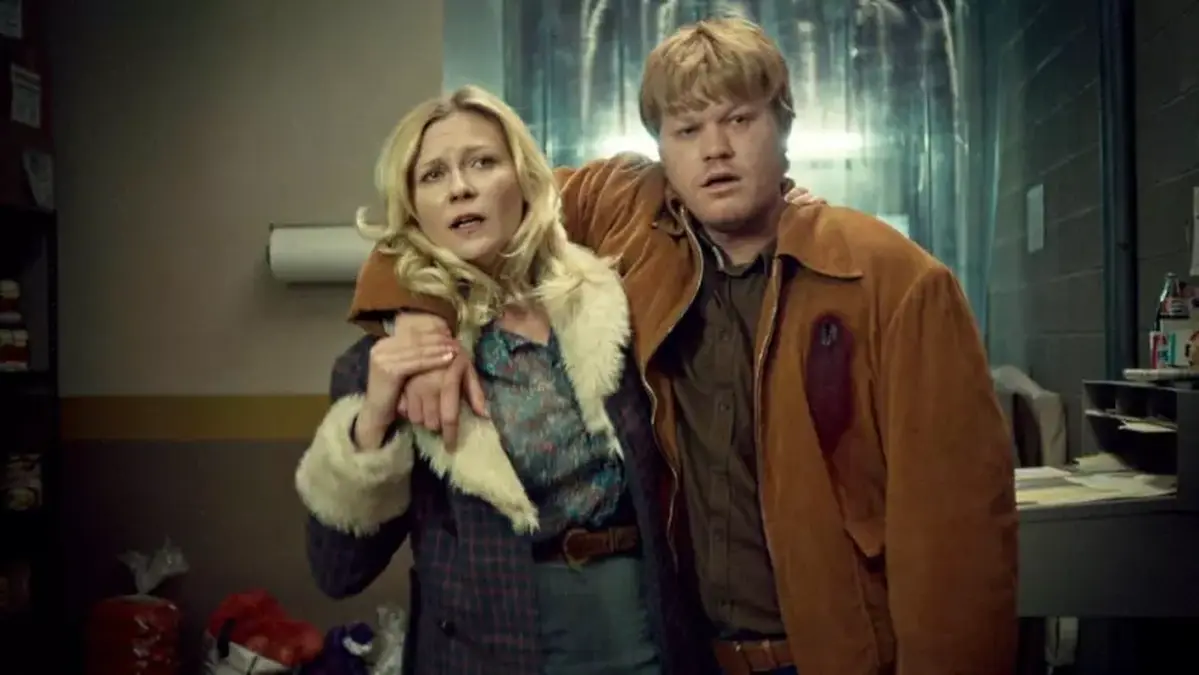
Kirsten Dunst and Jesse Plemons
Meanwhile, men tend to prefer women who look different from their own sisters.
“In line with the evolutionary logic of avoiding inbreeding, attraction to dissimilar faces may be a mechanism that helps avoid genetic costs and increase genetic diversity in offspring,” the team wrote in an article published in Computers in Human Behavior.
At the same time, the researchers acknowledged that partner-selection preferences often show gender asymmetry: men and women typically prioritize different qualities because of various evolutionary and sociocultural factors. These differences can extend to preferences about similarities in appearance and personality.
Preferences depend on context: a partner’s socioeconomic status (SES) can shift the emphasis between long-term compatibility signals, like personality, and short-term attractiveness cues, like appearance.
Of course, the idea that couples sometimes resemble each other isn’t new. There’s even popular content on Instagram that asks users to guess whether couples are blood relatives or romantically involved.
