
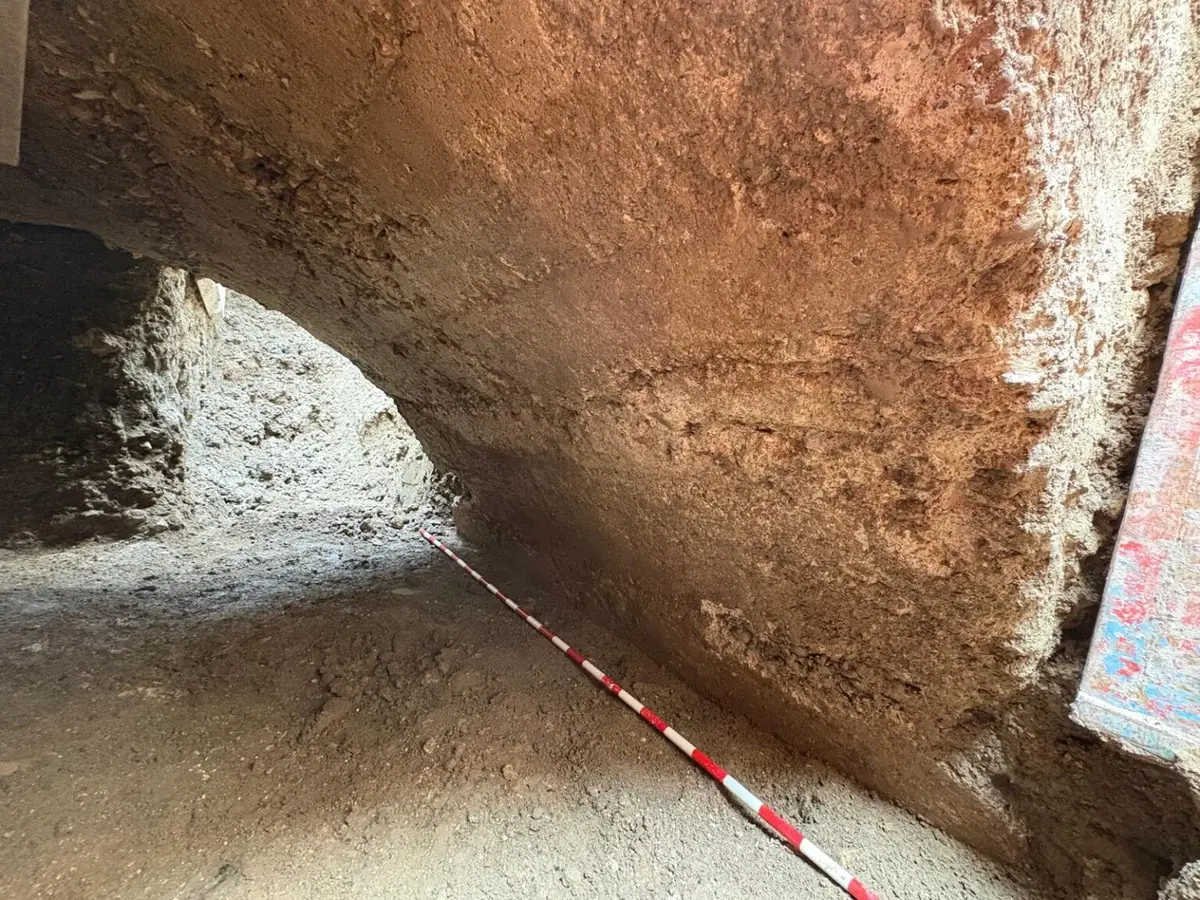
During archaeological excavations in Zaragoza (ancient Caesaraugusta) in northeastern Spain, researchers made an astonishing discovery. While preparing the San Miguel square and Coso avenue for urban renovation, archaeologists found a large arch about four meters below the surface. The arch was built from strong hydraulic concrete, opus caementicium, a material Roman engineers used widely.
Experts believe this structure was once part of a bridge-aqueduct that carried water into the Roman city of Caesaraugusta.
Caesaraugusta (Colonia Caesaraugusta, or the colony of Emperor Augustus) was founded by the Romans in 24 BCE. It was one of the most important Roman settlements in the Ebro River valley and the only city in the Roman Empire named after Emperor Augustus.
What archaeologists found under Zaragoza
The uncovered bridge-aqueduct is another reminder that the ancient city still lies hidden beneath Zaragoza. Archaeologists came across the ruins in an area that, during Roman times, sat next to a natural hollow. Researchers think the aqueduct crossed that low-lying area, providing both transport connections and water supply to the city.
José Juan Domingo, head of Zaragoza’s municipal archaeology service, said, “The discovery is extremely important for the historical record. This is the first structure of this type found in Zaragoza.” He added that the aqueduct sheds new light on Roman-era water supply and urban planning.
Archaeologists believe the structure functioned as part of an early hydraulic system that carried water from the river to the city center. Such systems were common in Roman towns: they gave residents access to water for baths, fountains, and household use.
Although Caesaraugusta is known to have had developed infrastructure, little was known about the exact configuration of its water network.
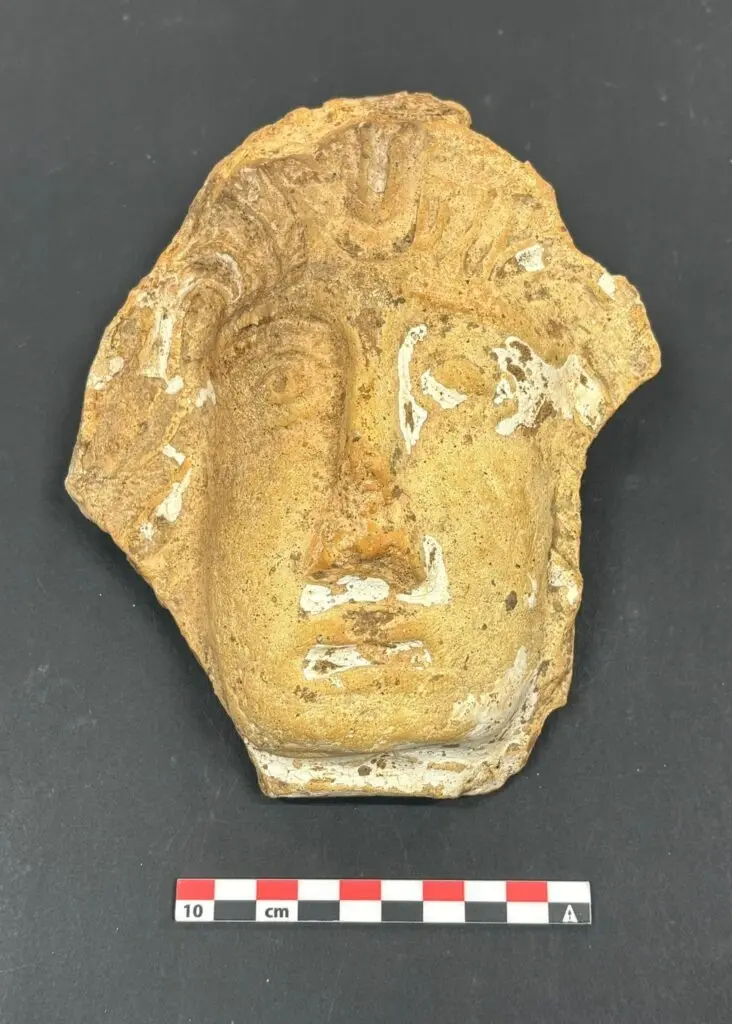
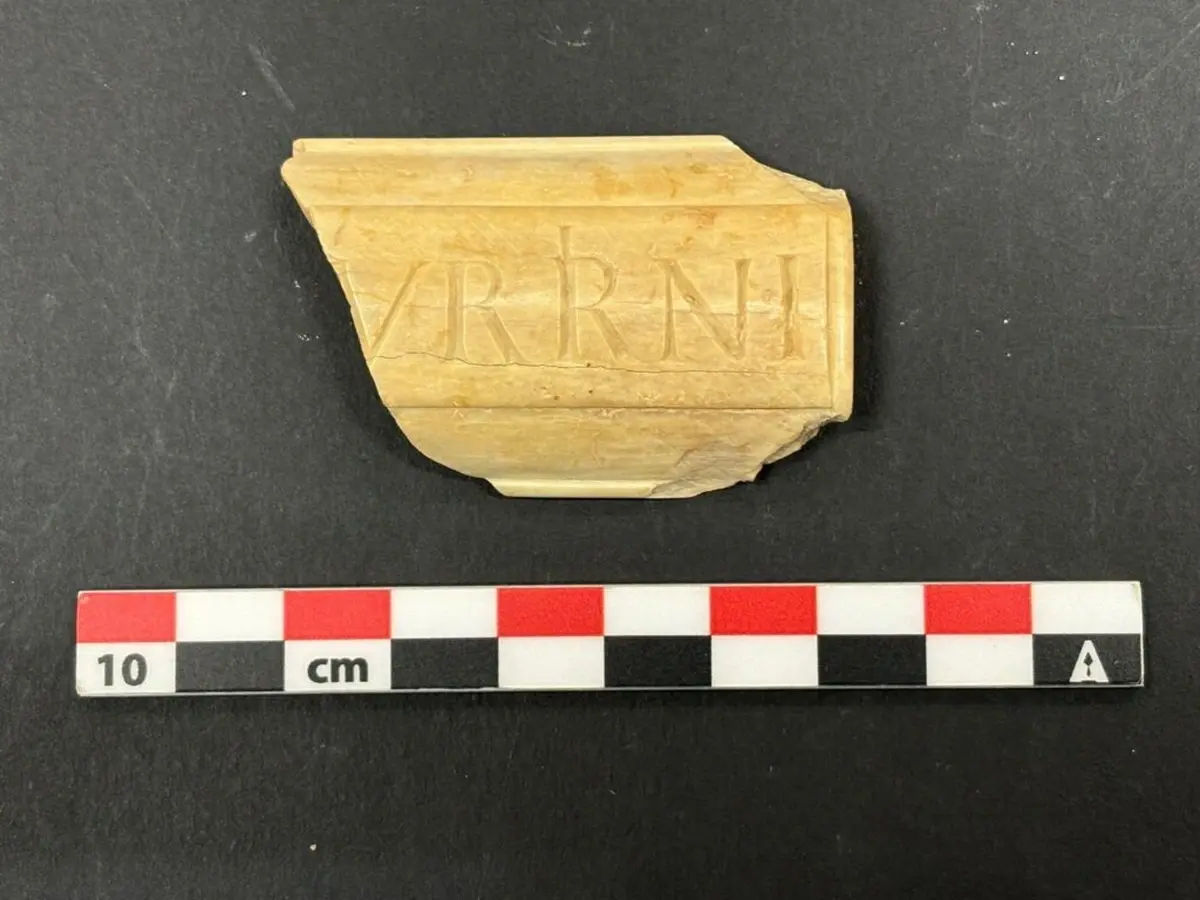
During the excavations, researchers also uncovered numerous artifacts from different historical periods, including pottery fragments. Archaeologists handed the finds to municipal laboratories for cleaning, analysis, and cataloging, Arkeonews reported.
Scientists regret that many artifacts from Zaragoza’s underground layers are fragmented or poorly preserved. That deterioration happened in part because building in the historic city continued for centuries with virtually no archaeological oversight.
Why the discovery matters
The aqueduct will help researchers better understand the original size of Caesaraugusta. For decades, scholars debated whether the area between Coso avenue and the Ebro River was a suburb.
Domingo says the new evidence shows that the neighborhood was part of a single Roman city from its earliest days. If that interpretation holds, the discovery significantly expands the known boundaries of ancient Caesaraugusta.
Instead of removing the exposed section of the aqueduct, authorities decided to preserve the structure in situ beneath the sidewalk. That approach is a common preservation strategy for archaeological remains hidden under active urban development.
