
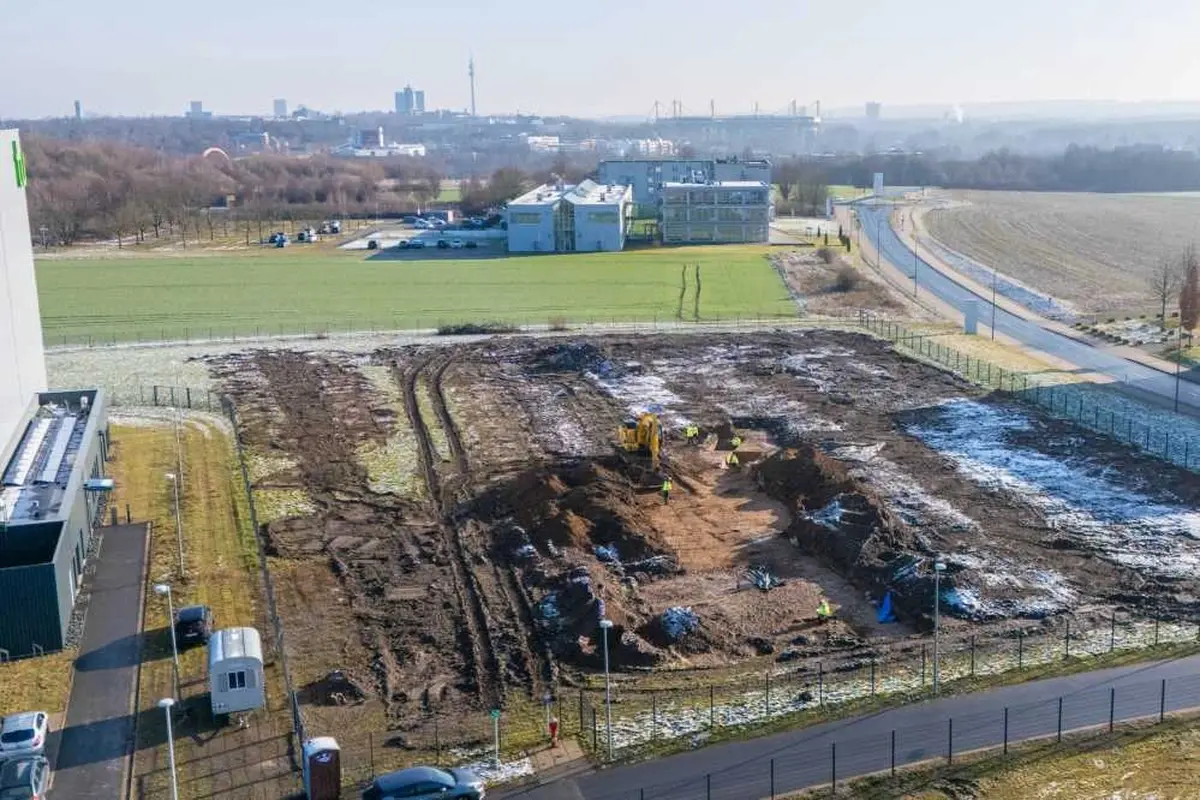
 During planned excavations ahead of infrastructure construction at the Technical University of Dortmund in Germany, archaeologists made a remarkable discovery. They uncovered traces of a long-forgotten .
On a plot of land beneath a meadow adjacent to Emil-Figge-Straße, researchers stumbled upon compelling evidence of continuous human habitation spanning thousands of years.
Interestingly, over the past five decades, scientists have repeatedly found stone tools and fragments of pottery in this area and its surroundings, dating back to the Neolithic, Iron Age, , and the Middle Ages.
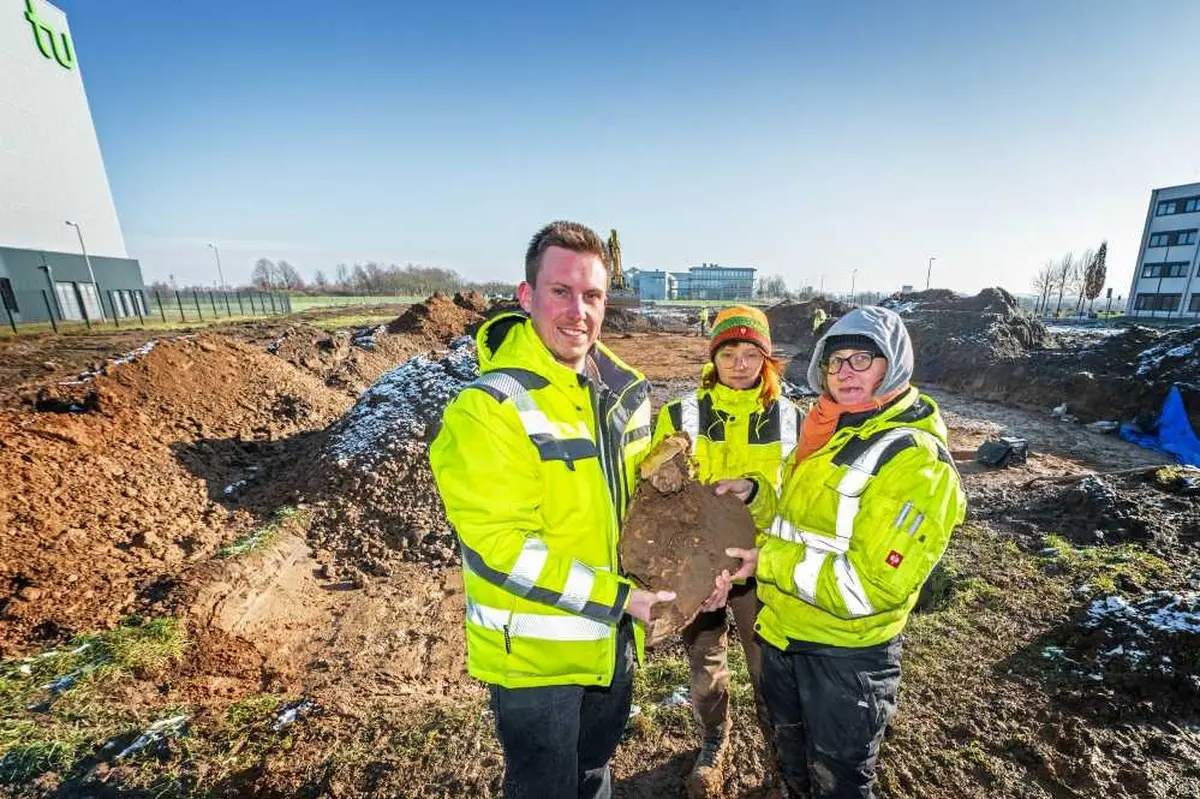
What Excited the Experts?
Now, a team of archaeologists from the contractor EggensteinExca has uncovered evidence from past eras, as reported by Arkeonews.
To assess the archaeological potential of the site, experts employed test trenches or exploratory excavations. These methods allow for the discovery of underground structures, evaluation of their scale, and understanding of the soil stratigraphy.
After making initial discoveries, the team decided to expand their search area. Ultimately, they uncovered numerous structures indicating the presence of a large Neolithic settlement. (The Neolithic, or New Stone Age, approximately 8000-4000 BC, is characterized by the transition from hunting and gathering to agriculture and animal husbandry).
Among the most significant finds are the ruins of what is known as an “earth house,” or simply a dugout. These semi-subterranean structures are typically associated with craft activities in prehistoric Europe. The sunken buildings provide valuable insights into life in these settlements.
Researchers hope that the dugout excavated on the grounds of the Technical University of Dortmund will help them better understand how ancient communities functioned in this region.
In addition to traces of architectural features indicating former building layouts, archaeologists discovered numerous fragments of . However, dating these pieces is challenging due to the absence of distinctive shapes and decorative elements.
Upcoming radiocarbon dating of charcoal samples found during the excavations will help establish the precise timeline of human habitation in this settlement.
Another intriguing find was the nearly complete skeleton of a large animal, likely a horse or donkey. Further research is needed to confirm the species and age of the remains.

A Gift to Archaeologists from a Unique Locale
This discovery may indicate a continuation or renewal of the use of this area in later historical periods, adding another layer to its complex history of settlement.
Experts emphasized that the natural advantages of the locale made it highly attractive to prehistoric settlers.
This area features fertile forest soils typical of the northern slope of the Dortmund Ridge. Such soils are suitable for agriculture and livestock farming. Additionally, proximity to natural water sources is a crucial factor for any long-term settlement.
Equally significant is the site’s location along an ancient trade corridor running from west to east, known as Hellweg. This route, which has existed for thousands of years, played a vital role in the agricultural and commercial development of the region.