
 Researchers have uncovered a fascinating reason why our ancient ancestors didn’t require teeth straightening.
Ancient Egyptians and Etruscans were once thought to be pioneers of orthodontics. However, it turns out that scientists have not always interpreted the purpose of ancient dental practices correctly.
Stories about ancient orthodontists using fine gold wires and catgut to straighten teeth have appeared in dental textbooks for decades. Our ancestors were portrayed as remarkably progressive in their quest to give people the perfect smile. But when archaeologists and dental historians finally examined the available data closely, they discovered that many of these notions are myths.
Saroash Shahid, a lecturer in dental materials at Queen Mary University in London, dedicated an article to debunking these myths.
Where Did Scientists Go Wrong?
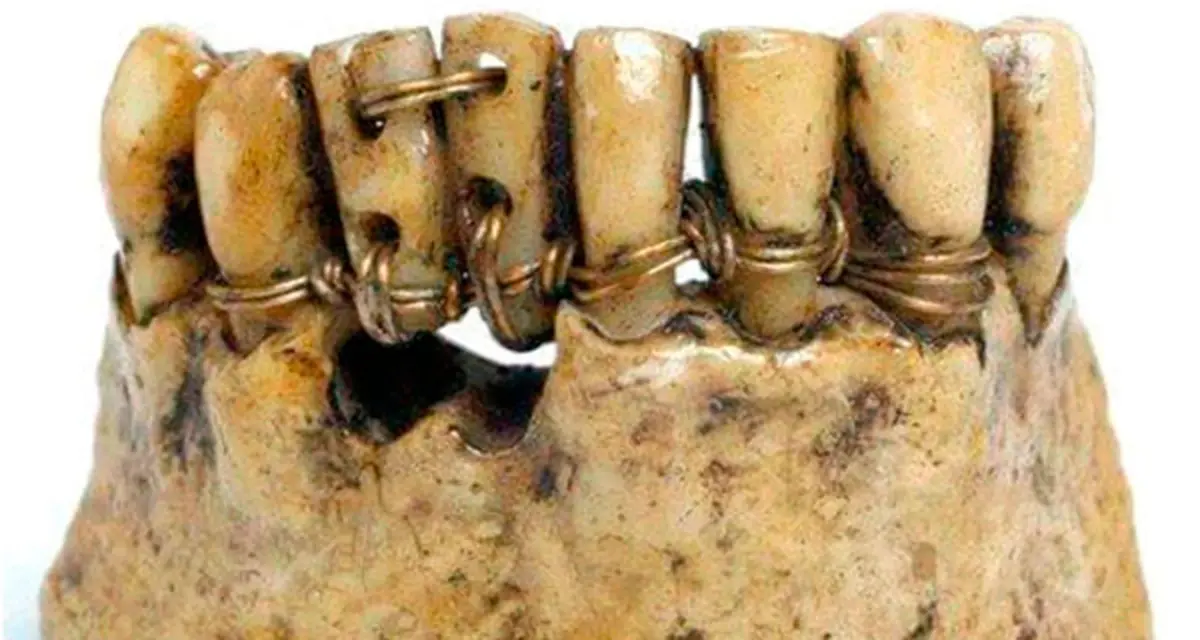
Take, for example, the dental bridge from El-Quatta, discovered in Egypt and dated to around 2500 B.C. The gold wire found with it served a completely different purpose than previously reported by scientists. Instead of straightening teeth, such wires were used to stabilize loose . In other words, the wires functioned as prosthetics, not braces, according to the Independent.
Meanwhile, the gold rings found in Etruscan tombs were likely dental splints designed to secure loose teeth rather than devices for straightening them.
There are significant practical reasons why these ancient devices could not have been used as braces. Studies of Etruscan artifacts showed that the gold used was surprisingly soft. It bent and stretched easily without breaking, making it unsuitable for orthodontics.
Braces, on the other hand, need to withstand constant pressure over time, so the metal used must be strong and elastic.
Additionally, archaeologists found these rings predominantly with the skeletons of women. This suggests that these items were likely symbols of status or decorative ornaments rather than medical devices. Notably, no such rings have been discovered in the mouths of children or teenagers, who would be the ones most in need of teeth straightening.
An Unexpected Discovery
But the most astonishing discovery is that malocclusion—crowding and misalignment of teeth, which is so common today—was extremely rare in the distant past. Studies of Stone Age skulls indicate a near-total absence of tooth crowding. Scientists suggest that this can be explained by the dietary habits of the time.
Our ancestors consumed tough, fibrous foods that required thorough, intense chewing. This contributed to the development of strong, large jaws that were perfectly suited for accommodating all teeth.
In contrast, the modern diet consists of soft and processed foods, which do not exert much strain on our jaws. Our jaws are smaller than those of our ancestors, while our teeth remain nearly the same size. This leads to crowding.
But Orthodontists Did Exist in Ancient Times
Ancient physicians employed simple methods to treat dental anomalies. The earliest evidence of orthodontic intervention comes from the ancient Romans.
Aulus Cornelius Celsus, a Roman medical writer from the 1st century A.D., noted that if a child’s tooth erupted crookedly, it should be gently guided into the correct position with a finger every day until it was properly aligned.
While this solution is quite simple, it is based on the same principle as modern methods: gentle, continuous pressure can move a tooth.
Interest in teeth straightening resurfaced centuries after the Roman era—around the 18th century. However, the methods became quite painful.
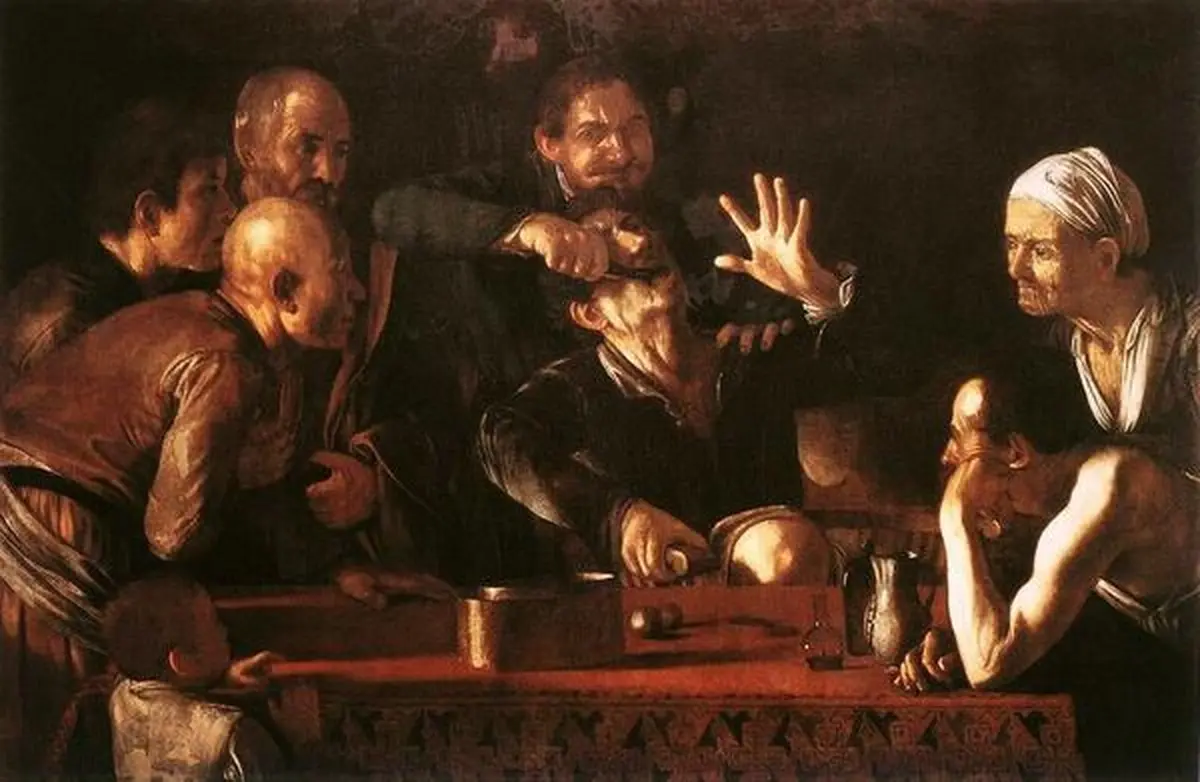
To create space between teeth, dentists of the time used a wooden wedge that expanded as it absorbed saliva. The procedure required considerable patience from the patient. Nevertheless, it was a step toward understanding that teeth could be repositioned through pressure.
The First Sprouts of Scientific Orthodontics
True scientific orthodontics began with the work of French Pierre Fauchard in 1728. Fauchard is often referred to as the father of modern dentistry. He published a landmark two-volume work titled “The Surgeon-Dentist,” which contains the first detailed description of treating malocclusion.
The distinguished dentist developed what is known as a bandeau—a metal strip that wrapped around the teeth. This was the first instrument specifically designed to move teeth using controlled force.
Fauchard also described the use of threads to support teeth after they had been moved. His work marked a decisive shift from ancient myths and painful experiments to a scientific approach that ultimately led to the creation of modern braces and clear aligners.
Thanks to advancements in in the 19th and 20th centuries, orthodontics became a popular field of medicine. Metal braces, wires, elastic bands, and eventually stainless steel made treatment more effective.
The image of ancient people wearing braces is undoubtedly appealing, but it is far from scientific truth.
