
New research reveals surprising differences in how honeybees and bumblebees search for food. While honeybees tend to stick to their chosen floral patches, bumblebees prefer to explore new areas. Though both insects are important pollinators for many crops and wild plants, they show distinct behavioral differences.
Honeybees and bumblebees collect pollen and nectar, transferring them from flower to flower and aiding plant reproduction and genetic diversity. Visually, honeybees are smaller, slimmer, and less hairy than bumblebees, which are larger, rounder, and fluffier. Honeybees live in well-organized colonies of up to 60,000 individuals, while bumblebees form smaller colonies of about 400 and do not store honey.
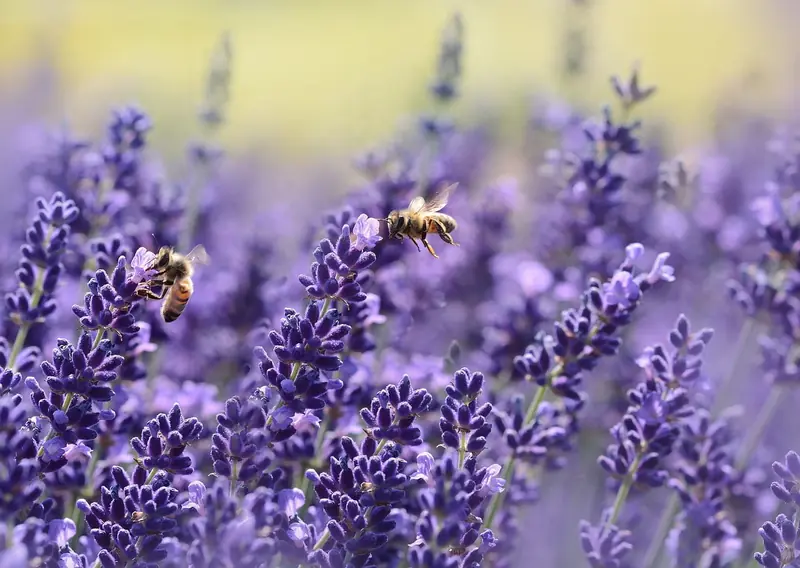
The latest study led by ecologist Johanna Brune found that the insects also differ in how they collect pollen. Observations showed that 76% of honeybees returned repeatedly to the same patches of alfalfa flowers to gather pollen and nectar. In contrast, only 47% of bumblebees returned to the same floral areas, suggesting they are more nomadic in their foraging.
The size of the floral patch plays a crucial role in these choices. Bumblebees showed a preference for larger floral areas, suggesting that abundance and diversity of flowers influence their decisions. Honeybees, by contrast, were indifferent to patch size and stuck to their selected areas regardless of how large the blooming territory was.
Loyalty to a specific site is linked to strong spatial memory, which lets an animal navigate complex landscapes and repeatedly return to familiar spots. The study found that both honeybees and bumblebees can return to the same locations. The study’s authors suggest that this attachment to particular sites may relate to the broader behavioral differences between the two species.
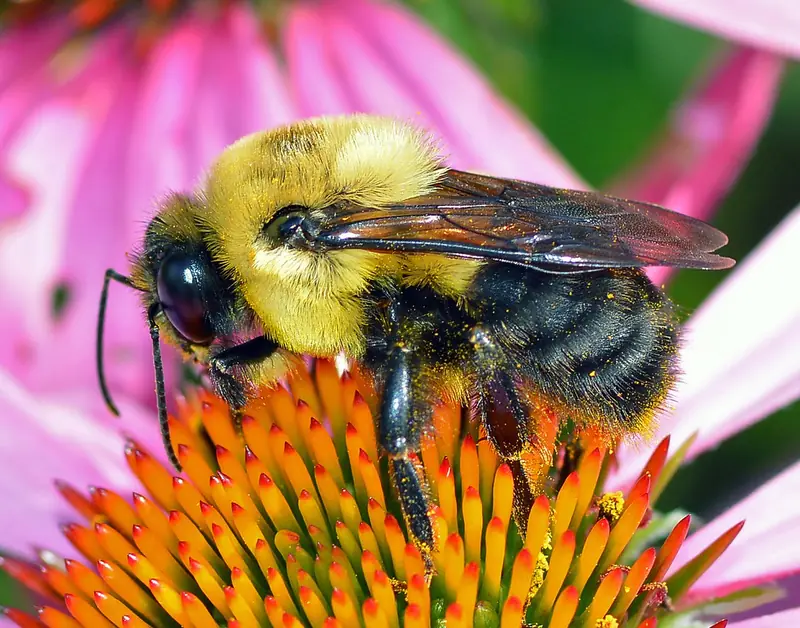
Earth magazine reported that bumblebees are more exploratory and tend to seek a variety of food sources. They often visit multiple flower types to find more beneficial or diverse resources and rely on individual exploration. In contrast, honeybees use a complex communication system: the “waggle dance” lets them share locations of valuable resources with hive mates. Brune says this precision in honeybee behavior indicates a higher degree of risk avoidance, so their loyalty to chosen foraging sites can reduce encounters with predators and conserve energy and resources.
The conclusions go beyond the two species’ different behaviors. Understanding what drives floral patch selection can help beekeepers, farmers, and biologists support pollinator health and improve crop pollination. The study suggests that honeybees’ greater accuracy may benefit agriculture by providing more consistent pollination, while bumblebees’ lower accuracy could enhance gene flow among plant populations by moving pollen over greater distances, potentially increasing genetic diversity and aiding adaptation.

The differing foraging behaviors of honeybees and bumblebees can significantly affect plants. The quality, quantity, and distance of pollen transfer influence genetic variation in plant populations. This research could therefore matter for both pollination and plant evolution. The authors say further observations are needed to understand how bee foraging behavior depends on flower type, landscape, and environmental conditions.
