
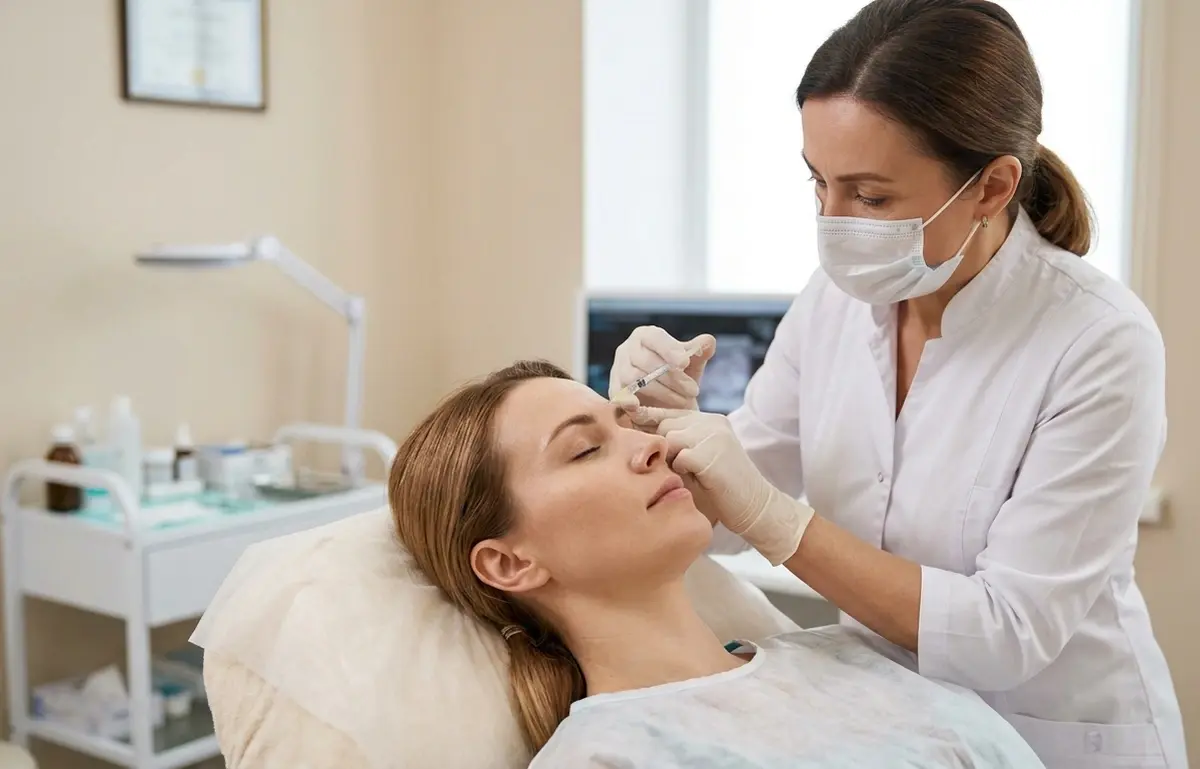
If you look good, you feel good. That old idea still holds now that are part of the cosmetic toolbox.
Researchers increasingly conclude that the benefits of this procedure are linked not only to how much younger a person looks, but also to improvements in their mental health — specifically, reductions in symptoms of depression and anxiety.
By the way, people in the UK spend about £2.75 billion (US$3.68 billion) a year on such as Botox and dermal fillers.
How science explains the Botox boom
Scientists have shown that Botox injections can significantly reduce symptoms of over 12 weeks. Last year’s review of studies found that the effect of Botox can be comparable to the action of selective serotonin reuptake inhibitors (SSRIs) in the brain — a change tied to mood stabilization, emotional balance, and fewer symptoms of anxiety and depression.
A 2024 study found that people without depression reported even greater life satisfaction and feelings of happiness after Botox procedures.
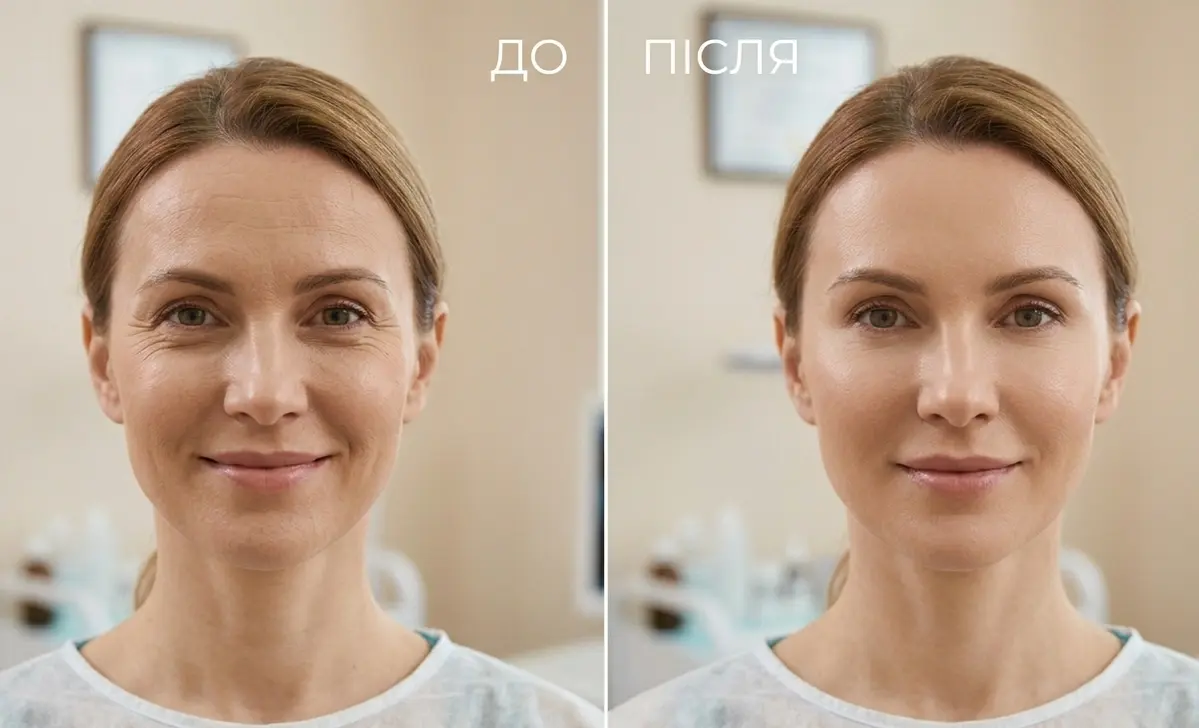
“The antidepressant effect is real, it’s supported by data, it persists across different indications, and it goes beyond the control group in clinical trials,” said Dr. Ruben Abagyan, professor of pharmaceutical sciences at the University of California.
One theory for how Botox reduces depression rests on a feedback loop between the brain and the muscles. When we frown or otherwise show sadness, the brain interprets those muscle contractions as sadness and amplifies the feeling.
After Botox injections, those muscles are essentially paralyzed: the feedback loop is blocked, and the signs of sadness smooth out — along with the wrinkles.
But that’s not the whole story. Dr. Abagyan’s research shows that you don’t have to inject the face to get an antidepressant effect. Injections in the hands, feet, neck, and other sites have also been linked to that effect, BBC Science Focus reported.
“The main question is whether you can deliver the substance peripherally, rather than directly into the central nervous system, and still affect the CNS positively,” Dr. Abagyan says. “Some signal transmission may occur in the nerves, but whatever the mechanism, a positive neurological effect is present.”
MRI studies have shown lower activity in the amygdala after Botox injections. The amygdala is usually described as the brain’s center for processing such as fear, anger, and anxiety.
See a mental health specialist first for depression
Of course, studies of Botox for depression come with caveats. Many scientists argue that we should pursue other ways to treat mental disorders. Moreover, Botox has not been approved as a treatment for those conditions.
“It’s probably not the best way to treat severe depression. It may have some antidepressant effect, but depression doesn’t lift for everyone. The distribution of effect can be very uneven, as with medications,” Dr. Abagyan said.
See a psychotherapist first — not a cosmetologist, if you are struggling with depression.