
 Muscle tone and connective tissue disorders can lead to in the neck, shoulders, and lower back. Symptoms of osteochondrosis and cervicalgia often arise from prolonged static physical strain or from staying in uncomfortable positions for extended periods, especially while working at a computer. Lumbar pain, or lumbago, can be triggered by sudden movements, bending, lifting heavy objects, or exposure to cold. The root causes of back pain often lie in a , poor diet, and accumulated strain over the years. So, what can you do to alleviate back pain?
Symptoms of Spasms
A back spasm is a sudden, involuntary contraction or cramp of one or more muscles. The intensity of the spasm can range from a dull twitch to sharp, debilitating pain.
Signs of Back Spasms:
- sudden sporadic cramps;
- difficulty moving or bending;
- a tight knot in the muscle.
Spasms can occur unexpectedly and may become increasingly painful, presenting various symptoms. Some signs of spasms may resolve on their own, while others could indicate chronic conditions.
Warning Signs:
- pain in the back at night;
- fever;
- muscle weakness in the arms or legs;
- numbness in the limbs;
- loss of balance and coordination;
- weakness, , or other unusual sensations on one side of the body;
- disruption of pelvic organ function (loss of control over the bladder or bowel);
- unexplained weight loss.
Only 1-2% of cases of lower back pain may indicate a serious health threat, while most episodes subside within a few days or weeks, regardless of treatment.

At-Risk Groups
Doctors have identified individuals who are most vulnerable to back spasms.
Who is Prone to Back Pain:
- athletes and workers who regularly lift heavy weights;
- people with chronic back and spine conditions;
- individuals with muscle weakness and sedentary lifestyles;
- people with poor posture;
- those with inadequate nutrient intake;
- older adults;
- overweight individuals;
- chronically fatigued people with sleep deprivation;
- individuals under emotional stress or in other adverse psychological states;
- people with harmful habits (especially smokers).
Spasms and shooting pains can occur in any part of the back—upper, middle, or lower (with lower back pain being the most common).
Causes of Back Spasms
Back spasms can be triggered by bending, lifting, uncomfortable , or simply sitting and standing. Sharp back pain may indicate muscle strain, a muscle injury (such as a sprain), or even a micro-tear of a spinal disc.
Insufficient Physical Activity
A lack of regular physical activity weakens the back and abdominal muscles, which can lead to periodic pain or spasms in the back.
Anxiety and Stress
Certain mental states can cause tension in the back and neck muscles. Prolonged muscle tension leads to stiffness and spasms.
Minor Injuries
A sudden back pain can result from a strain or tension in the muscles due to improper twisting, bending, or falling.
Muscle Overexertion
Prolonged and repetitive movements during sports, manual labor, or lifting weights can injure or inflame the back muscles if there is insufficient rest and recovery.
Poor Posture
Improper posture while standing or sitting can lead to muscle strain in the back.
Nutrient Deficiencies
A deficiency in , potassium, and can disrupt muscle function, leading to pain and spasms in the back.
Fibromyalgia
This chronic condition is characterized by sensitivity and pain in various parts of the body. Muscle spasms are a common symptom of fibromyalgia.
Arthritis
Painful spasms in the back (especially between the shoulder blades) can be caused by inflammatory arthritis affecting the spine (ankylosing spondylitis or osteoarthritis).
Herniated Disc
A rupture of a spinal disc, where the disc compresses, cracks, and bulges out from the spine, can hinder active movements or sports, leading to muscle weakness that results in shooting pains in the back.
Other Spinal Conditions
Spondylolisthesis causes a displacement of part of the spine, while spinal stenosis narrows the spinal canal, putting pressure on nerves or the spinal cord. Both conditions can cause back pain, stiffness, inflammation, and muscle spasms.
How to Relieve Back Muscle Spasms
To alleviate back pain, try using compresses, massage, and taking a day or two of rest: your body needs to relax and recover. However, prolonged avoidance of physical activity can slow healing and lead to muscle stiffness. To relieve lower back pain, gentle stretches for the lower back can be beneficial.
Rest
Lie down in a comfortable position on a couch or bed. While lying down, slightly bend your knees and place a pillow under them to relieve pressure on your back. Avoid twisted positions or sitting in bed, as this can strain your back muscles. Use a foam roller to help relax the muscles. If possible, take short walks, avoiding uneven surfaces and hills.
Massage
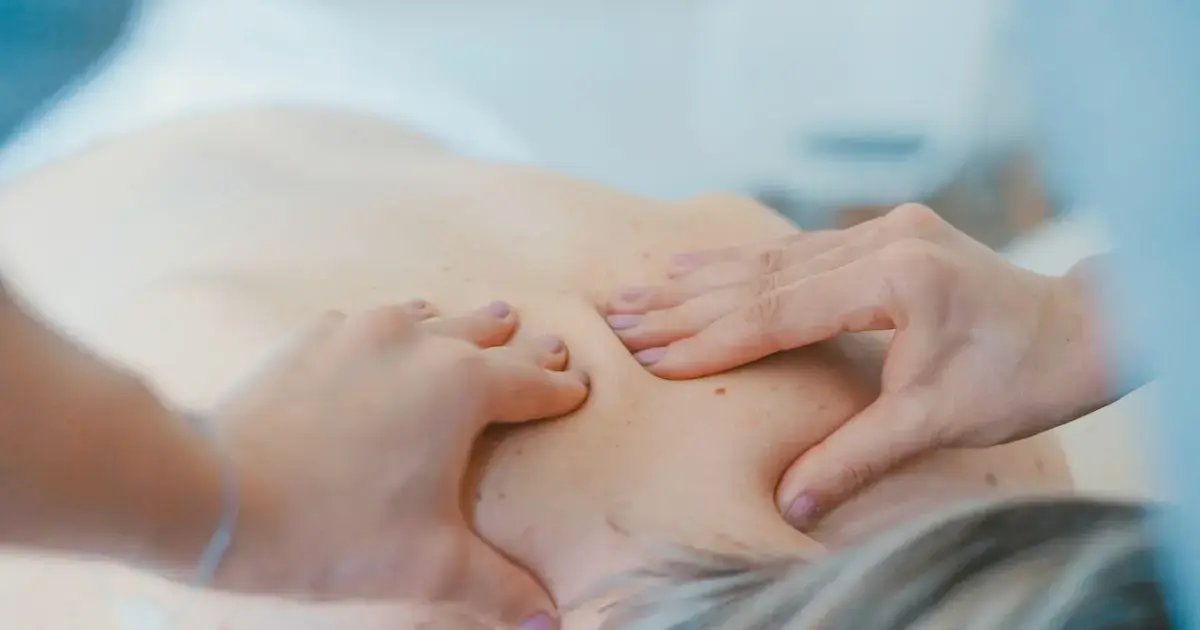
Gently press on the painful area and make circular motions with your hand for about a minute at a time. Massaging the affected area can help relieve muscle tension and eliminate spasms.
Cold and Hot Compresses
When a spasm occurs, apply ice to the affected area for 20 minutes—this cooling effect should reduce pain from inflammation. A heating pad can help relax the muscles and stimulate blood flow. You can alternate between cold and hot compresses.
Pharmaceuticals
Ibuprofen or other over-the-counter medications can help reduce pain and inflammation.
Relaxation Techniques
Exercises focused on deep breathing can help reduce and relieve muscle tension.
Identifying the Type of Pain
Before performing exercises to alleviate or reduce back pain, it’s important to identify the type of pain. First, ensure that it is mechanical in nature and not caused by chronic diseases. To do this, answer the following questions.
- Does the pain decrease after resting? If so, it is likely mechanical.
- Does the pain depend on certain movements and positions? If so, it is likely mechanical.
- Can you find a position that alleviates the pain? If so, the pain is probably mechanical.
- Do you experience any of the following symptoms:
- morning stiffness lasting more than half an hour after starting activity;
- fever;
- general malaise;
- weight loss;
- joint pain (in the hip, knee, or wrist joints).
- If you have mechanical pain, the answer should be negative—none of these symptoms should be present.
Types of Mechanical Pain
To determine the type of mechanical pain, identify the movements and positions that trigger or worsen the pain, and conversely, those that alleviate or reduce it. Each type of mechanical back pain requires specific exercises, so it’s essential to understand where the pain is strongest—whether in the lower back or leg; whether it worsens with bending or straightening the back; whether the pain is constant or intermittent, and if a position can be found that alleviates it.
Type 1
The likely source of this pain is the intervertebral disc. This type accounts for 60-70% of cases of lower back pain. Its characteristics include intermittent pain in the lower back (which may also be felt in the leg, but only up to the knee). The pain appears or worsens when bending the torso forward or while sitting. With this type of back pain, it is difficult for a person to bend down to tie their shoelaces, while walking is usually easier than sitting. Leaning back provides relief.
A test to confirm this type of pain involves lying on your stomach, extending your arms along your body, and holding that position for half a minute. If no pain occurs, rise onto your elbows and hold that position for another 30 seconds. If all is well, push up with your palms and try to straighten your arms while arching your back. If no pain occurs, repeat this push-up motion five times without lifting your pelvis off the floor.
Type 2
Intermittent pain in the lower back predominates. It may radiate to the leg but not below the knee. Leaning forward while sitting reduces the pain, while arching the back backward, walking, or standing for long periods increases it. The source of pain in this case is likely the intervertebral joints in the posterior structures of the spine.
If you perform the preliminary test of arching your back while lying on your stomach, the pain is likely to worsen or discomfort may arise. The first two types account for up to 90% of cases of back pain.
Type 3
Pain is more pronounced in the leg than in the lower back (the back pain may completely subside). This type of pain is often constant and worsens when sitting and bending the back. During flare-ups, any movement can intensify the pain. In certain positions, the pain may decrease.
If performing the test causes the leg pain to worsen (even if the back pain subsides), and there is weakness or numbness in the leg muscles, or urinary disturbances, you should see a doctor: this type of pain is characteristic of nerve root irritation due to a herniated disc or radiculitis.
Type 4
Pain is felt more in the legs and is accompanied by a sensation of heaviness, numbness, and transient weakness, and is always intermittent. It typically occurs during walking and subsides when leaning forward or sitting. This type of pain often develops in older age and is usually caused by spinal canal stenosis.
Exercises for Back Pain
The main principles for managing pain during acute episodes are to perform movements that reduce pain and avoid positions that trigger or exacerbate it. Exercises developed by the Canadian Spine Institute’s rehabilitation center first alleviate pain, then restore normal spinal mobility, and finally strengthen muscles, increase mobility, and improve overall fitness. Exercises for back pain can also be performed after the pain subsides to prevent future episodes.
For Type 1 Pain, avoid sitting and forward bends, focusing on relaxing the abdominal and back muscles. Lie on your stomach for 1-3 minutes in a relieving position every hour (it is recommended to place a pillow under your pelvis and abdomen). Throughout the day, it is advisable to arch your back while lying on your stomach for one to three minutes every 1-2 hours, as described above. Repeat this exercise 10-15 times. You can also arch backward while standing (with slightly bent knees at shoulder-width apart, hands on your hips) 10-15 times. Additionally, take walks, gradually increasing their duration.
For Type 2 Pain, avoid prolonged standing: slightly bend your knees to avoid tension, shift your weight from one foot to the other, or place one foot on a stool. Avoid overhead work, and in transportation, do not hold onto overhead handrails. If you have back pain, try these exercises. Lie on your back so that your palm fits between your back and the floor. Touch your lower back to the floor and press it down by tightening your abdominal muscles and lowering your pelvis. Hold this position for 5-10 seconds and repeat 10-15 times. Perform rotations without lifting your lower back off the floor. In a relieving position, sitting on the floor on your heels, lean forward with your arms extended.
For Type 3 Pain, performing exercises can be painful, so try to change your body position frequently, use rolls under your lower back, avoid forward bends and sitting positions, and maintain physical activity. A relieving position is the Z-shaped position, lying on your stomach with a pillow under your pelvis. When sleeping, bend your legs at the hip and knee joints, placing a pillow under your knees and a small roll under your lower back. When lying on your side with bent legs, place a pillow between your knees. Only after the pain subsides can you attempt exercises for Type 1 pain.
For Type 4 Pain, frequent rest in a sitting position is recommended, along with the same exercises as for Type 2 back pain. Additionally, you can perform a dynamic exercise for spinal mobilization and tension relief called “cat-camel” (performed on all fours), alternating between arching the back upward on exhalation (like a cat) and bending down on inhalation (like a camel). This develops flexibility and strengthens the back muscles.
If you cannot manage back spasms on your own, a doctor may recommend changes in your workload, daily routine, or diet, as well as prescribe effective physical therapy and medication.
Photo: Unsplash