

The number of calories your body actually absorbs depends on when you eat, how quickly you eat, and even how thoroughly you chew. These and other factors are forcing a fresh look at calorie counting, a method that for more than a hundred years was considered an effective way to maintain a healthy weight.
Now many nutrition experts acknowledge that calorie counting doesn’t really work and is a relic of the past. That’s because complex biological processes take place in our bodies that are influenced by the type of food, the speed of eating, and how that food interacts with the vast community of gut microbes.
“This is a huge, fast-growing field. We’re starting to understand how variable our responses to food are,” says Sarah Berry, professor of nutrition at King’s College London.
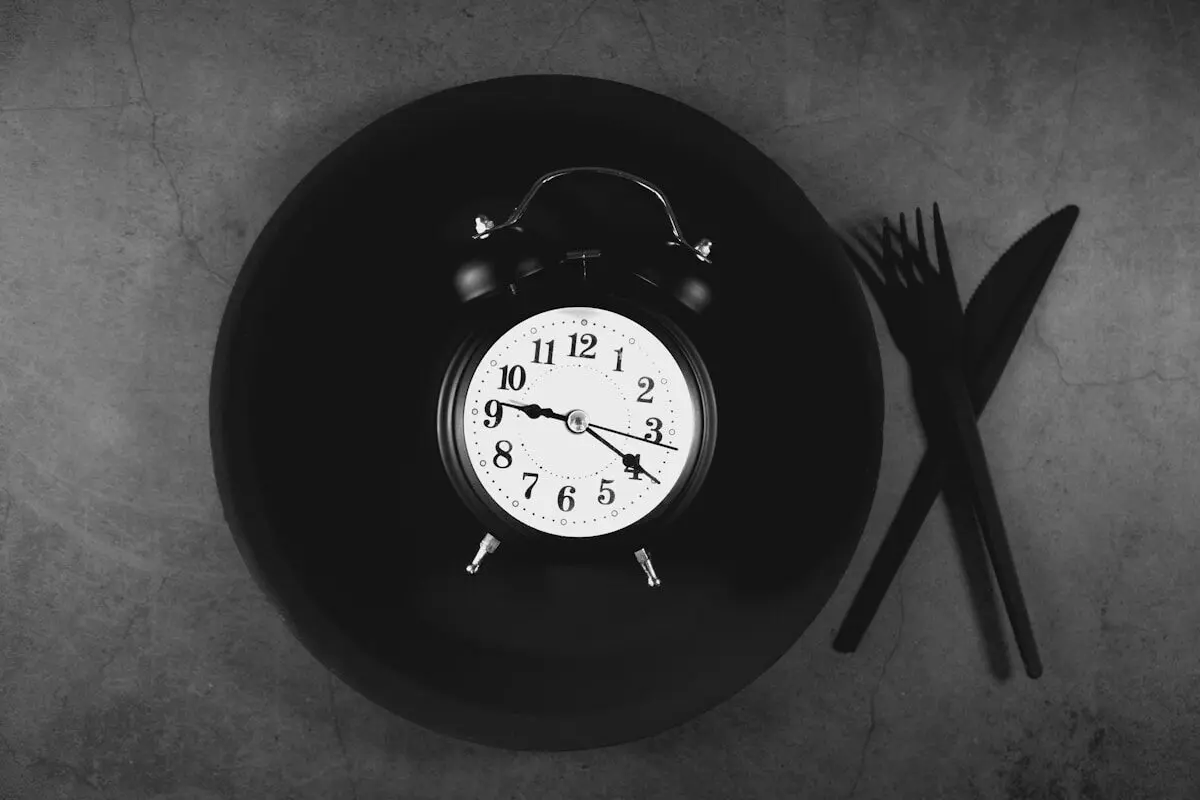
When you eat matters: how circadian rhythms shape calorie absorption
What we eat still matters. A diet rich in fresh vegetables will be healthier than one dominated by hamburgers. But meal timing also plays a big role in how well we digest food and which nutrients our bodies absorb, writes BBC.
An Israeli study found that overweight women lost more weight when they consumed the bulk of their calories at breakfast compared with women who ate mostly in the evening—even though all participants ate the same total number of calories. But exactly how many calories to cut to lose weight is a separate question without an obvious answer, and remains unclear.
A recent British study showed that shortening the time between the first and last meal of the day is linked to reduced calorie intake. Scientists say that’s because our circadian rhythms affect digestion and absorption. A new field called chrononutrition studies that link.
Researchers also urge rethinking snack timing. If snacks occur after 9 p.m., expect rises in blood sugar and “bad” cholesterol, which increase the risk of obesity and cardiovascular disease.
How fast you eat affects fullness and blood sugar
People who eat quickly usually consume more food and therefore take in more calories. Eating more slowly promotes longer-lasting fullness. It also changes how blood sugar responds to a meal.
A Japanese study confirmed this: participants ate lunch in 10 minutes on one day and in more than 20 minutes on another day. Even though the meals’ composition and calories were identical, participants showed higher blood sugar after the quick lunches.
Why food texture changes how many calories your body absorbs
Food structure also affects how many calories the body actually absorbs. Texture determines how easily nutrients are released.
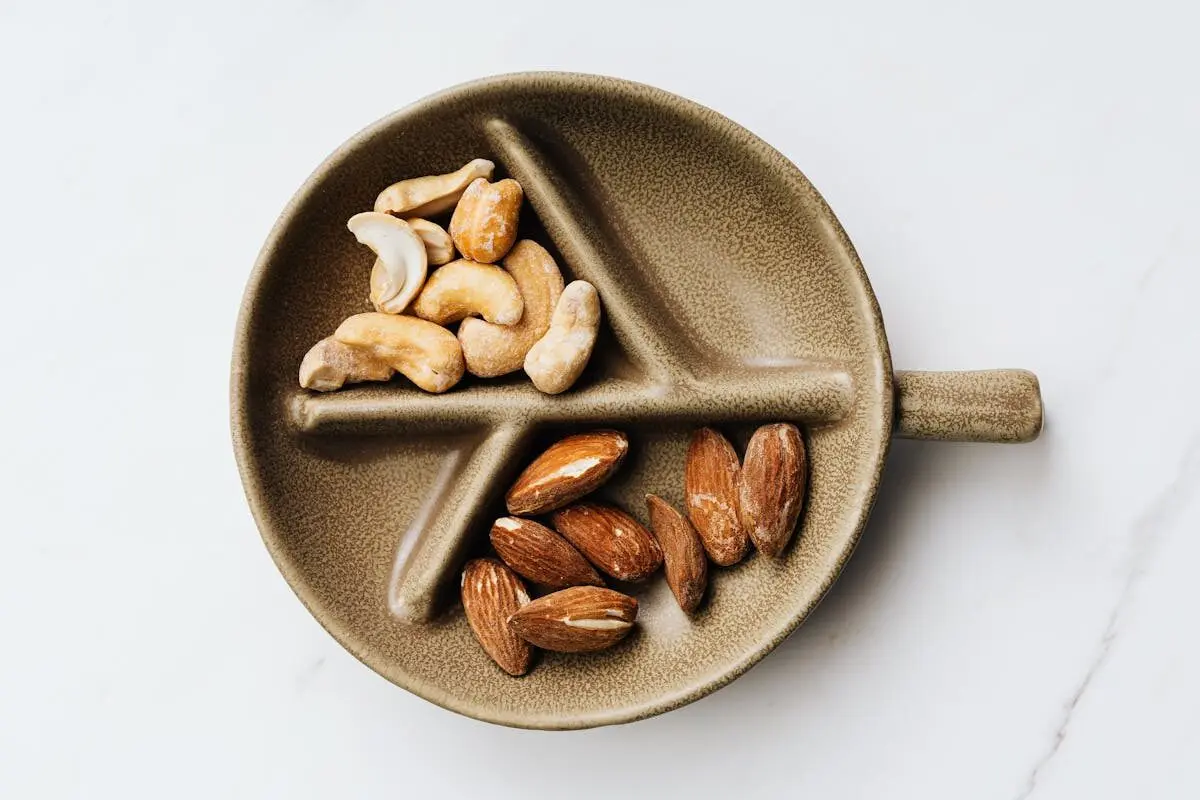
Here’s a simple example. A handful of almonds contains about 160–170 calories. How many of those calories you absorb depends on how the nuts are prepared and how thoroughly you chew them. If the almonds are ground and you chew them well, you’re likely to absorb most of the calories. But if you bite whole almonds and only partially chew them, you’ll absorb far fewer calories.
“Changing a food’s structure (its texture) affects metabolism rate and nutrient absorption,” Berry observed. Read more about and what daily calorie needs look like by age and sex in a separate article.
Gut microbes: why calorie counting can be misleading
In 2015 Israeli researchers discovered that even after eating the same food, blood glucose levels can differ dramatically between people. For example, some people experience big blood sugar spikes after tomatoes, while others spike after bananas.
Scientists concluded that this variation is tied to the microbes living in our guts. The species composition and balance of microbes vary widely between people, and so does metabolism. That helps explain why some people find it easier to maintain a healthy weight and others struggle.
All of these observations point to the need for smarter eating. And if you move even further away from counting numbers, .
Professor Berry’s advice:
- Eat more fiber;
- Limit sugar, salt, and fats;
- Diversify your diet; add more fruits and vegetables;
- Avoid unhealthy snacks.
Photo: www.pexels.com