
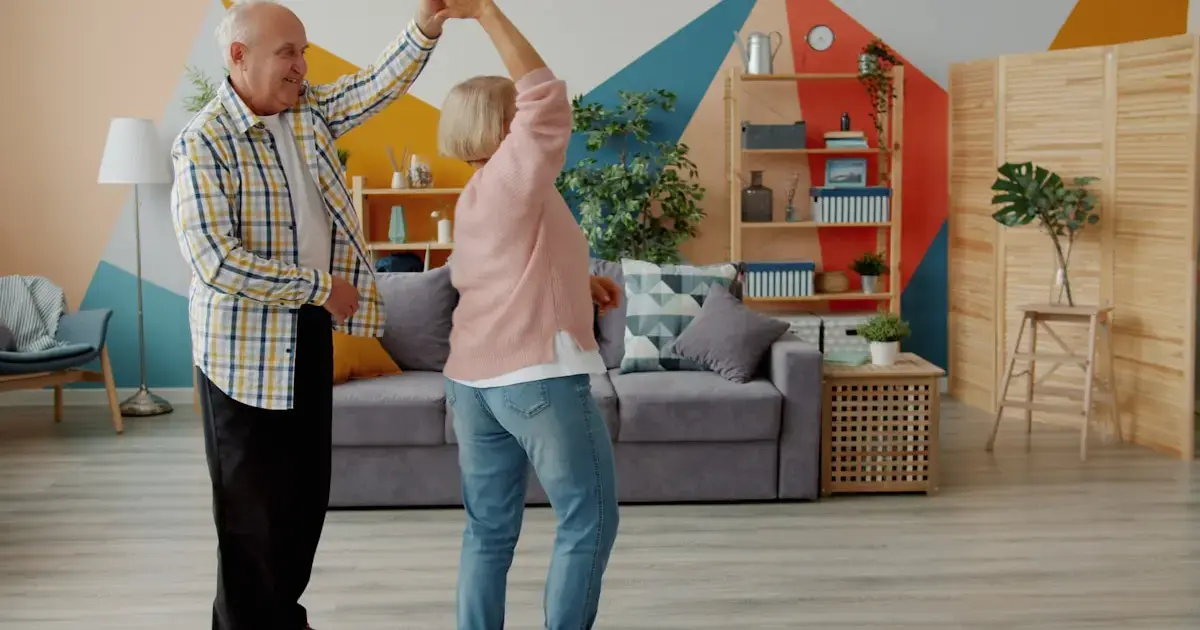
It turns out that creativity is essential for a youthful brain. A large-scale study has confirmed that creative activities such as dancing, visual arts, and playing musical instruments positively impact our brain health.
The more experience participants had with these activities, the younger their brains appeared.
This was revealed by the leading authors of the study – Carlos Coronel, a postdoctoral researcher at the Latin American Institute of Brain Health in Chile, and Professor Agustín Ibáñez from the Global Institute of Brain Health (Hartford, USA).
The researchers reminded us that brain aging involves biological and functional changes that occur over the years. The speed and nature of these changes vary significantly among individuals.
To assess the brain age and cognitive abilities of the study participants, the team developed machine learning models known as brain clocks. These tools compare neuroimaging data, as well as electrophysiological and neuromolecular data, against normal brain functioning patterns throughout life.
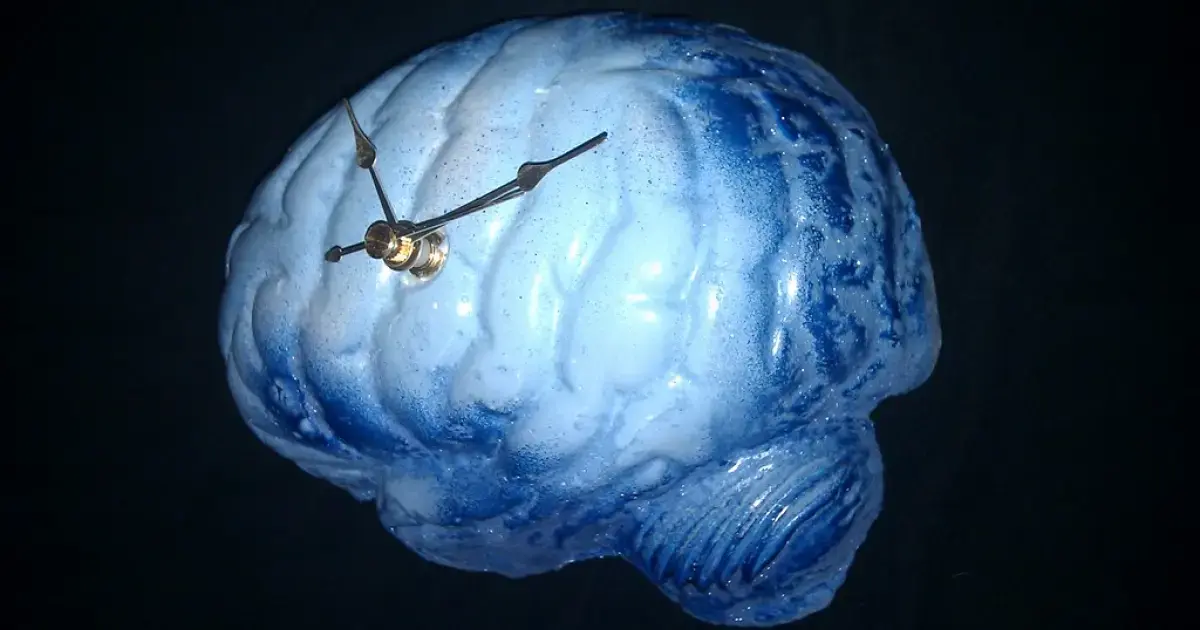
To put it simply, the researchers used brain clocks to understand what makes the brain more resilient and what causes it to age faster.
The study involved about 1,400 volunteers from various countries. Among them were professional tango dancers, musicians, artists, and gamers, as well as non-professionals with no experience in these creative fields.
What Did the Scientists Discover?
Coronel and Ibáñez say the team wanted to find out whether creative hobbies are more than entertainment — and whether they provide real biological benefits for the brain. To do this, the scientists examined how creativity affects the brain clock. If the brain clock indicated that a person was younger than their chronological age, that meant their brain was functioning more efficiently than expected.
By applying innovative AI models to the participants, the team noticed a consistent trend across all volunteers, regardless of their field: creativity rejuvenated the brain.
Tango dancers had brains that appeared seven years younger than their chronological age. Musicians and artists showed a difference of about five to six years, while gamers were four years younger.
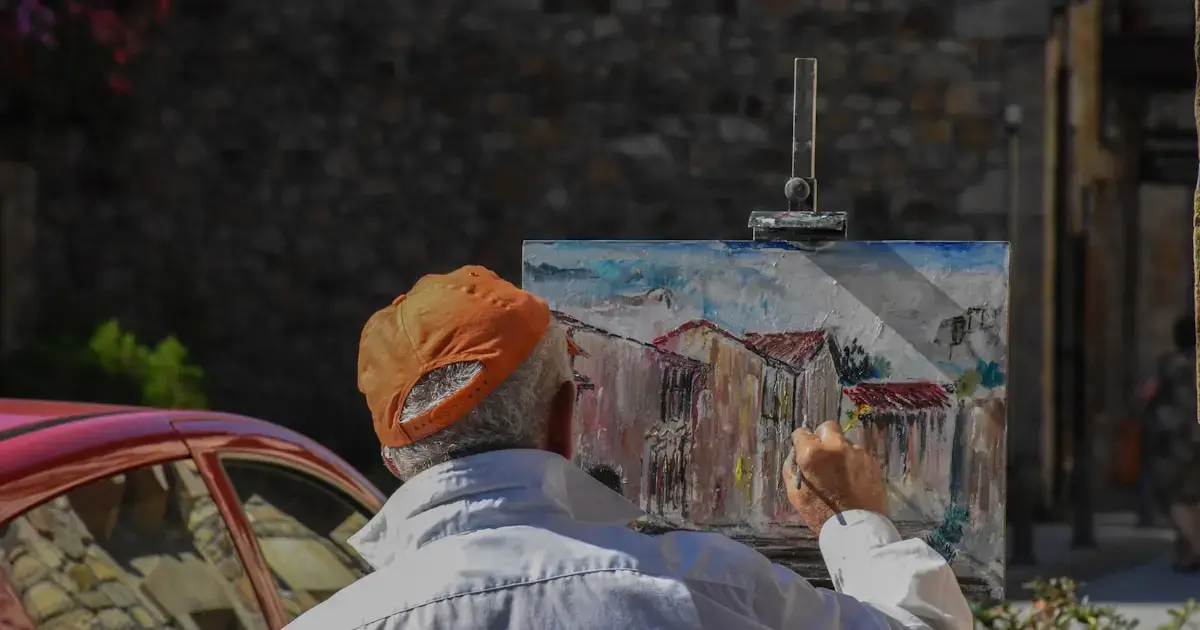
The longer the volunteers practiced their art, the more pronounced the rejuvenating effect became. Any creative hobby improved connectivity between key brain areas responsible for attention and learning, as reported by Science Alert. These areas typically degrade first, but creativity likely strengthens them.
“We found that creativity protects the areas of the brain that age faster and makes communication within the brain more efficient,” noted Carlos Coronel.
This matters because the research frames creativity as a biological pathway to brain health and resilience.
So, if you’re wondering whether creativity is beneficial, the answer is a resounding yes. Now it’s scientifically proven. Every dance move, sketch, or note we create can help keep our brains feeling young.
Photo: Unsplash
