
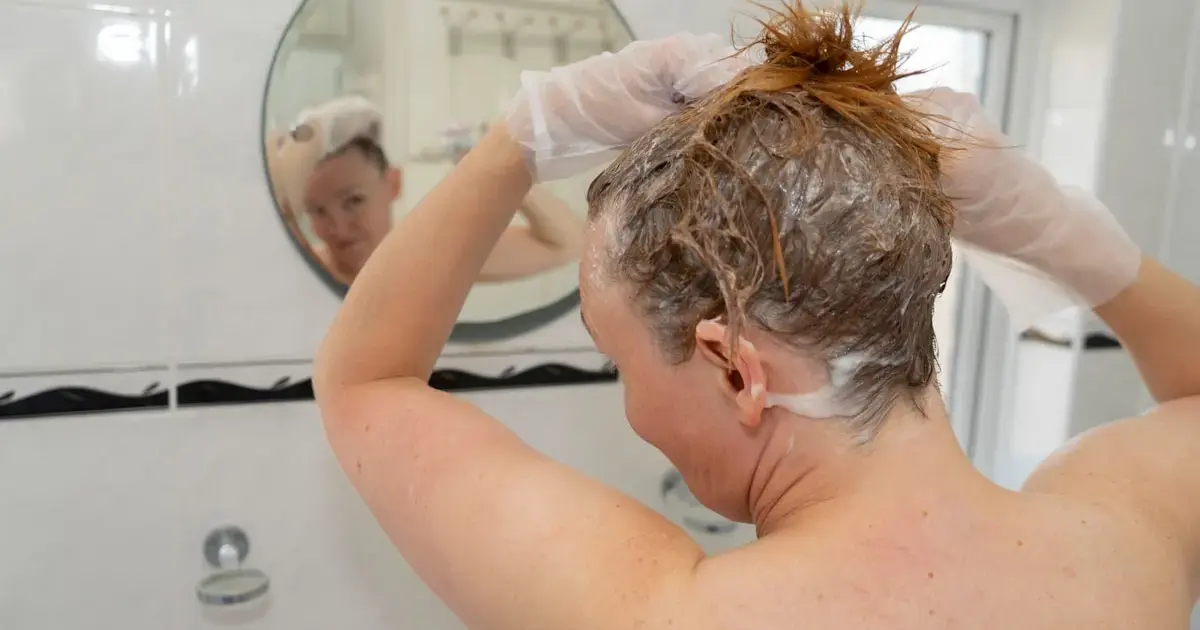
 Hair thinning and loss can be caused by a variety of factors: in addition to aging, illnesses, hormonal changes, and genetics, the culprit behind hair loss may also be an unsuitable shampoo.
A Trichologist on Hair Loss
According to the American Academy of Dermatology, losing 50 to 100 hairs a day is considered normal—this is a standard situation that does not lead to noticeable thinning of the hair. However, if hair loss occurs more intensely, along with other signs of trouble (such as itching or redness of the scalp), it’s essential to consult a doctor to determine the exact cause and treatment for the unhealthy condition. You can read more about this in the article on .
Excessive hair loss falls under the expertise of a trichologist—a specialist focused on diagnosing, treating, and preventing hair and scalp diseases, working at the intersection of dermatology, endocrinology, and cosmetology. These experts refer to the “crown on your head” as an indicator of health (intense hair loss can signal issues within the body) and a reflection of the quality of hair care.
Trichologists differentiate between internal causes of hair loss (ranging from a weak immune system, sudden weight fluctuations, and hormonal imbalances to medication use and infections) and external factors (such as an unhealthy lifestyle, poor diet, and improper hair care). Chronic and acute stress can significantly exacerbate hair loss by affecting the immune system and hair follicles—learn more about this in the article on .
So, if there are no other reasons for hair loss, experts recommend changing your hair care product, citing the presence of harmful substances in the shampoo’s composition.
Internal Factors of Hair Loss:
- genetics (the most common hereditary cause is androgenetic alopecia, or male and female pattern baldness);
- hormonal disorders (menopause, polycystic ovary syndrome, pregnancy, postpartum period, hormonal imbalances, thyroid diseases);
- diseases (scalp fungal infections, certain chronic internal organ diseases, and autoimmune diseases such as lupus and scleroderma).
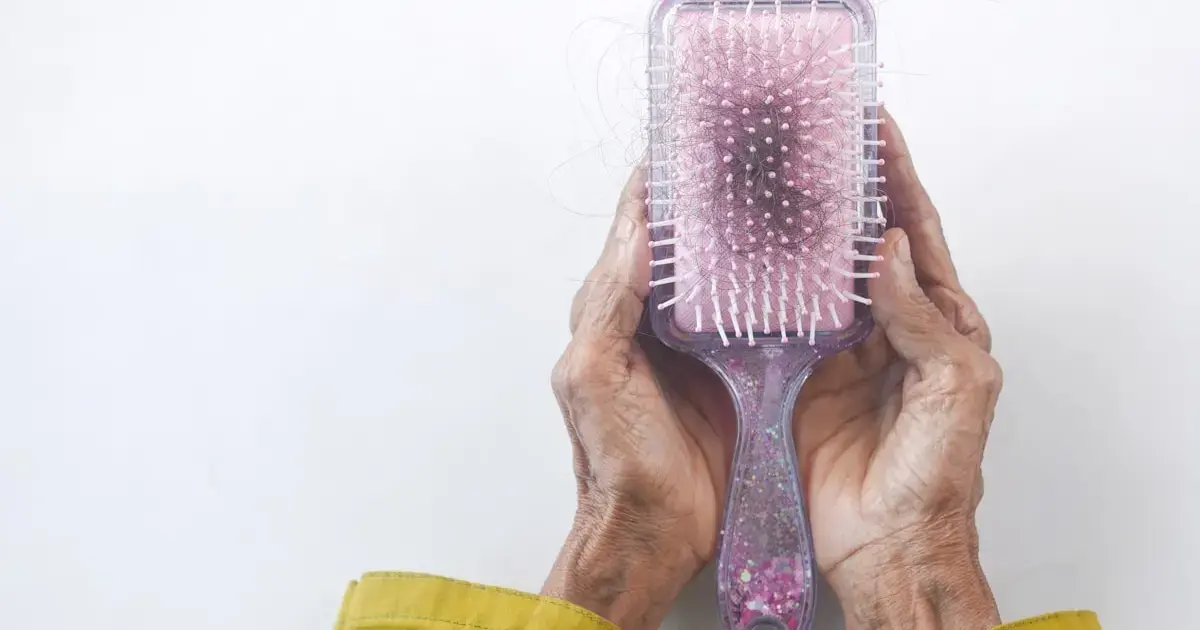
External Factors:
- chronic stress;
- lack of sleep;
- rapid weight loss;
- nutritional deficiencies—deficiencies in vitamins A, B, D, biotin, zinc, iron (anemia);
- severe infections;
- surgical procedures;
- chemotherapy;
- side effects of certain medications;
- thermal or chemical damage to hair (heat styling, coloring, harmful ingredients in cosmetics).
External factors also include mechanical stress—such as tightly styled hairstyles that can cause hair loss due to chronic tension. Read more about in the HouseWife article with tips for healthy styling.
The right hair care product makes hair healthy and silky (shiny and smooth), while the wrong one can leave it greasy or dry, dull, brittle, and weak. Therefore, it’s crucial to know how to wash your hair properly and which harmful components to avoid in shampoos.
How to Identify a Dangerous Shampoo
Harmful ingredients in cheap shampoos include aggressive sulfates, silicones, and parabens, which dry out and irritate the scalp, clog follicles, and cause allergic reactions. Can a shampoo cause hair loss if it contains these substances? Yes. Many have experienced this when they tried to save money on a more expensive or natural shampoo, only to regret it later.
Which Shampoo Ingredients Are Harmful to Hair:
- sulfates (SLS/SLES)—aggressive foaming agents that dry out the scalp by stripping away natural oils, making hair brittle and causing irritation;
- silicones (dimethicone)—add shine and volume to hair, making it manageable and easier to comb, but at the same time clog pores and hinder the delivery of nutrients to the follicles;
- preservatives and fragrances—parabens in cosmetics prevent the growth of bacteria and fungi, extending product shelf life, but irritate the scalp and cause follicle inflammation due to allergic reactions (allergy to shampoo is an individual intolerance to specific components).
The safety of these ingredients is a topic of debate. Trichologists point out that sulfates in shampoos (sodium lauryl sulfate is found in the vast majority of shampoos and conditioners) and parabens in cosmetics (esters of para-hydroxybenzoic acid) not only jeopardize scalp health but may also have negative effects on the body as a whole, potentially causing hormonal imbalances with prolonged use.
Research has shown that these components can affect hormonal balance by mimicking estrogens. They have been found to accumulate in breast tissue samples, although a direct link to cancer has not been established. However, the particular harm of these cosmetic ingredients in early life has been noted: researchers found a connection between parabens in cosmetics and increased weight in children of pregnant women exposed to them.
How to Choose a Shampoo and Prevent Hair Loss
First and foremost, look for shampoos that are free of sulfates, silicones, and parabens. Check the ingredient list on the label and avoid hair care products with components that end in -paraben: Ethylparaben, Methylparaben, Butylparaben, Propylparaben. The European Union allows the use of parabens in concentrations up to 0.4% for a single paraben or 0.8% for a mixture.
Instead, opt for plant-based alternatives—products containing biotin (vitamin B7), saw palmetto extract, and natural oils (peppermint, rosemary) that strengthen hair. In particular, saw palmetto (a natural extract from the berries of the Serenoa repens plant) works by blocking the production of the hormone dihydrotestosterone, which helps reduce hair loss and prevent baldness.
It is believed that hair loss due to thinning and brittleness is provoked by a deficiency of biotin—a valuable micronutrient that makes hair thicker and stronger. Vitamin B7 (found in , milk, , and broccoli) combats the effects of aging hair, making it essential for hair care after 50. Biotin from shampoo directly reaches hair follicles and promotes blood circulation in the scalp and hair growth.
Signs of a Low-Quality Shampoo:
- tightness, dryness, and itching of the scalp after washing;
- unruly, dull, brittle hair that quickly becomes greasy;
- a noticeable chemical smell;
- excessive foaming (indicating aggressive parabens in the product);
- insufficient foaming;
- rapid color fading in dyed hair.
Choose gentle shampoos with natural ingredients that do not dry out the scalp and hair. Such natural shampoos remove impurities, strengthen hair structure from within, improve scalp condition, and increase hairstyle volume. For nourishment and hydration, regularly use shampoos, masks, conditioners, oils, or serums containing vitamins and natural extracts.
Safe Hair Care
Trichologists recommend prioritizing professional care products from well-known or niche brands and using products from the same line for comprehensive health: manufacturers offer products for cleansing, protection, hydration, nourishment, growth stimulation, and preventing hair loss. Hair care after 50 should be based on using natural shampoo and avoiding shampoos that cause hair loss.
To stimulate hair growth, products or supplements with active components that “awaken” follicles are available. There are comprehensive supplements in packets for internal use: they contain balanced ingredients to revitalize growth and strengthen hair from within. The aspect of protecting hair from external factors is represented, in particular, by sprays with heat protection functions.
The foundation of safe hair care is regularity (products should be used several times a week or daily, according to instructions) and comprehensiveness (for better results, combine external care, such as washing and conditioning, with internal care—i.e., taking supplements). It’s important to avoid hot water and minimize the use of heat styling tools that can damage hair.
Colored hair should be cleansed with nourishing shampoos, followed by applying conditioner to ensure hydration and color retention. Severely damaged hair may benefit from protein conditioners with amino acids that integrate into the hair structure at points of damage and voids, conditioners with a high content of cationic surfactants (behentrimonium), as well as penetrating oils and moisturizers. Hair care includes not only preventing loss but also maintaining the overall condition of the strands, including color—more in the article on supporting .
For scalp care prone to dandruff and dermatitis, products with oils and dimethicone are prescribed, which do not bind to hair on damaged areas. Indications for using therapeutic shampoos for dandruff and dermatitis (1-2 times a week for two months) include itching, flaking, and redness of the scalp—usually caused by a decrease in immunity.
Hair care includes five steps: washing, combing, drying, applying protective products, and styling products. Washing is the first step in this list: attracting dust and dirt from the environment, the oily film on hair becomes a breeding ground for harmful microorganisms, so it must be removed in a timely manner. To avoid unwanted effects, the shampoo must match the type of skin and hair.
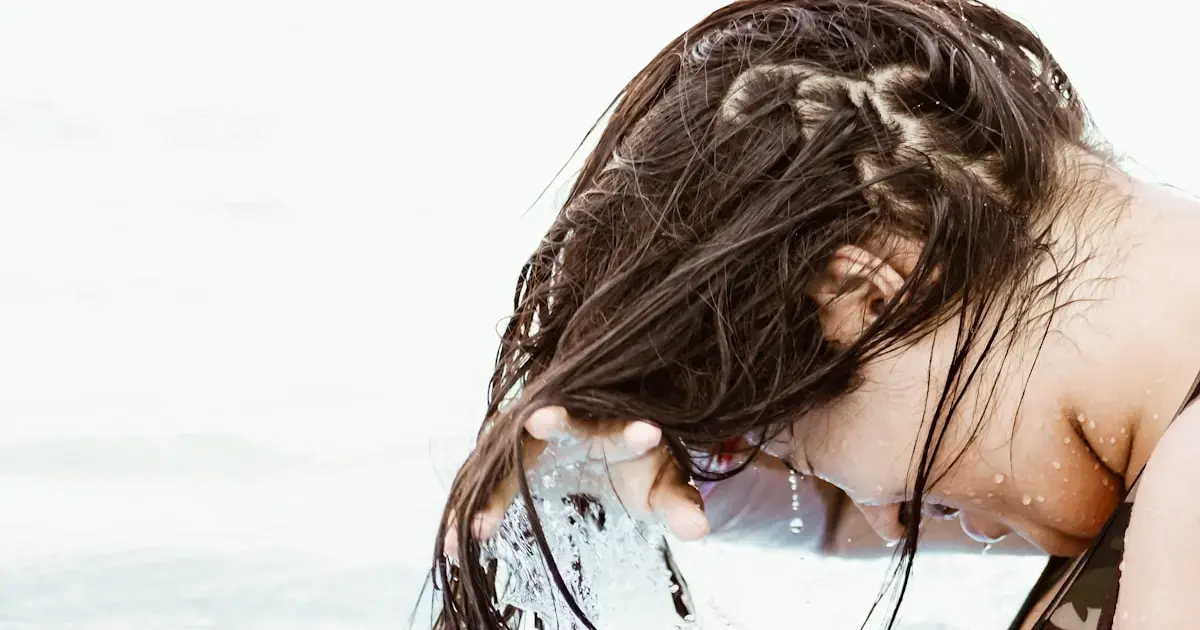
How to Wash Your Hair Properly
The condition of your locks depends on this hygiene procedure. A significant reason for hair loss after washing is improper shampoo use: applying the cleansing agent directly to the scalp, excessive rubbing, and hot water. Hair should be washed with warm water, and shampoo should be applied from the palm, lathering and massaging only the scalp. Conditioners and balms should be applied along the length of the hair, avoiding the roots.
The frequency of washing depends on individual needs and skin type (which can be determined by the amount of sebum produced by the sebaceous glands in the hair growth area—a secretion that protects hair from drying out). For normal hair that becomes oily 2-3 days after washing and does not lose volume on the first day, any natural shampoos and conditioners that rinse out or remain on the hair will suffice.
Hair that does not become oily for more than 3-5 days after washing is classified as dry. Prone to brittleness, it is easily damaged and requires more gentle care using nourishing and moisturizing shampoos and conditioners based on coconut, shea, ylang-ylang, and avocado oils.
For oily hair that becomes greasy on the first day, shampoos with clay and charcoal are used to slow down sebum production.
Combination hair (oily at the roots and dry at the ends) requires a special shampoo to restore balance and a conditioner with oils to moisturize the dry ends. Problematic hair with a compromised structure requires the use of therapeutic masks and special conditioners with herbal extracts, natural oils, amino acids, hyaluronic acid, keratin, and provitamin B5.
To avoid microbes, it’s essential to maintain the cleanliness of towels and combs. A comb should be a personal item. It should be regularly cleaned of hair and sebum residues and periodically disinfected. Before washing, hair should be combed and thoroughly moistened with warm water. Then, shampoo should be applied to the scalp, massaged for two minutes, and without rinsing the foam, the hair should be combed again.
Using a special comb for wet hair, movements should follow the massage lines: from the base of the neck to the crown, then from the ears along the hair growth line. Rinse the shampoo thoroughly with a sufficient amount of warm water. After washing with shampoo, apply conditioner, oil, or serum along the length of the hair, distribute with a comb, and finally rinse the hair to remove any product residues.
Professional Tips
It was once believed that washing hair too frequently leads to increased oil production. However, modern cleansing products no longer have this property. Trichologists recommend washing hair as needed—once a week or two to three times. Those who use styling products will need to wash more frequently. Thus, a great hairstyle can come at the cost of harmful hair cosmetics—it’s essential to weigh whether it’s worth it.
Those with colored, damaged, dry, coarse, and curly hair are particularly at risk for hair loss with frequent washing. When giving advice on what to pay attention to when choosing a shampoo, specialists recommend maintaining a balance of scalp health and hair freshness by combining the use of natural shampoos every two weeks with more frequent (every three days) co-washing (washing with conditioner).
Experts believe that allowing hair to air dry after washing can be just as harmful as drying it with a blow dryer. Avoiding aggressive heat can, on the other hand, weaken hair due to swelling from moisture absorption (hair can absorb up to 30% of its weight). Thus, slow drying inevitably increases the risk of damaging the hair structure and can also contribute to the development of seborrheic dermatitis.
Research has shown a link between the colonization of the Malassezia fungus, which causes dandruff, and neglecting to dry wet hair before sleeping. Trichologists warn against going to bed with wet hair: both hair and pillow should be clean and dry, as fungi thrive in warmth and moisture. Modern hair dryers and straighteners, combined with heat protection products, are considered a safer hair care option by specialists.
Hair and hairstyles have held not only aesthetic but also social significance for centuries—they reflect status, age, and even a person’s lifestyle. To learn how curls, waves, bangs, and wigs have evolved through different eras, read the article on .
Frequently Asked Questions about Hair Loss and Shampoos
 Can shampoo cause hair loss?
Yes, it can. Harmful components—sulfates, silicones, and parabens—dry out the scalp, clog follicles, and cause allergies, leading to weakened and lost hair.
Which shampoo components are the most harmful?
The most dangerous are: sulfates (SLS/SLES)—which dry out; silicones—which clog pores; parabens (components ending in -paraben)—which cause irritation and may lead to hormonal imbalances.
How to identify a dangerous shampoo?
Itching and tightness after washing, quick greasiness, dull brittle hair, a strong chemical smell, excessive foaming. Check the ingredients—avoid components ending in -paraben.
How to choose a safe shampoo?
Choose products free of sulfates, silicones, and parabens. Look for natural ingredients: biotin (vitamin B7), saw palmetto extract, peppermint and rosemary oils.
How to wash your hair properly?
Use warm water, apply shampoo with massaging movements to the scalp, and conditioner along the length of the hair. Wash 1-3 times a week, rinsing products thoroughly.
How many hairs is it normal to lose?
50-100 hairs a day is normal. If more falls out or if there is itching and redness of the scalp, consult a trichologist.