
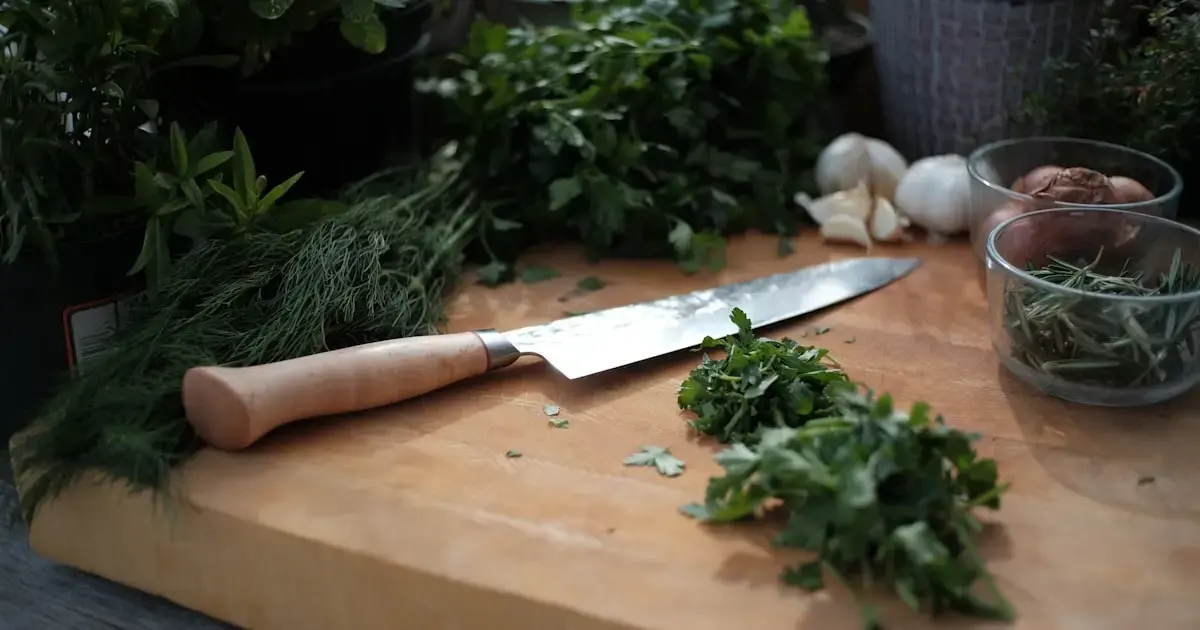
 To give dishes a refreshing pine aroma, spices with camphor notes and a coniferous scent can be used. These herbs add a unique freshness to meals and evoke memories of walks through pine forests. Typically, rosemary, thyme, juniper, and sometimes wintergreen (Gaultheria) are called upon for this role, as they also have a strong pine scent and are used to flavor teas and baked goods. However, chefs have many more options beyond these names. The list of herbs with pine notes includes several plants that can serve as a distinctive accent in various dishes: sage, tarragon, kaffir lime, lemongrass, and even bay leaves. Which products can harmoniously accompany these herbs and spices?
Rosemary
Perhaps the most well-known herb with a pine scent is rosemary, which has a camphor-like and pungent aroma. Due to its intense “Christmas tree” fragrance and distinctive flavor, not everyone appreciates rosemary in their dishes; some find it too sharp and potentially overpowering. Additionally, this Mediterranean herb has contraindications: it is considered dangerous for people with epilepsy (it can trigger seizures) and hypertension (it raises blood pressure).
At the same time, the strong lemon-pine aroma of the plant, which stimulates the gastrointestinal tract (not ideal during festive meals), can seem intrusive and “medicinal” to those accustomed to the milder scents and flavors of dill or parsley. Rosemary should not be overused in cooking, as its intense aroma can overshadow the flavors of other ingredients. A successful combination of rosemary with other herbs includes parsley, basil, bay leaves, oregano, sage, lavender, thyme, savory, and marjoram.
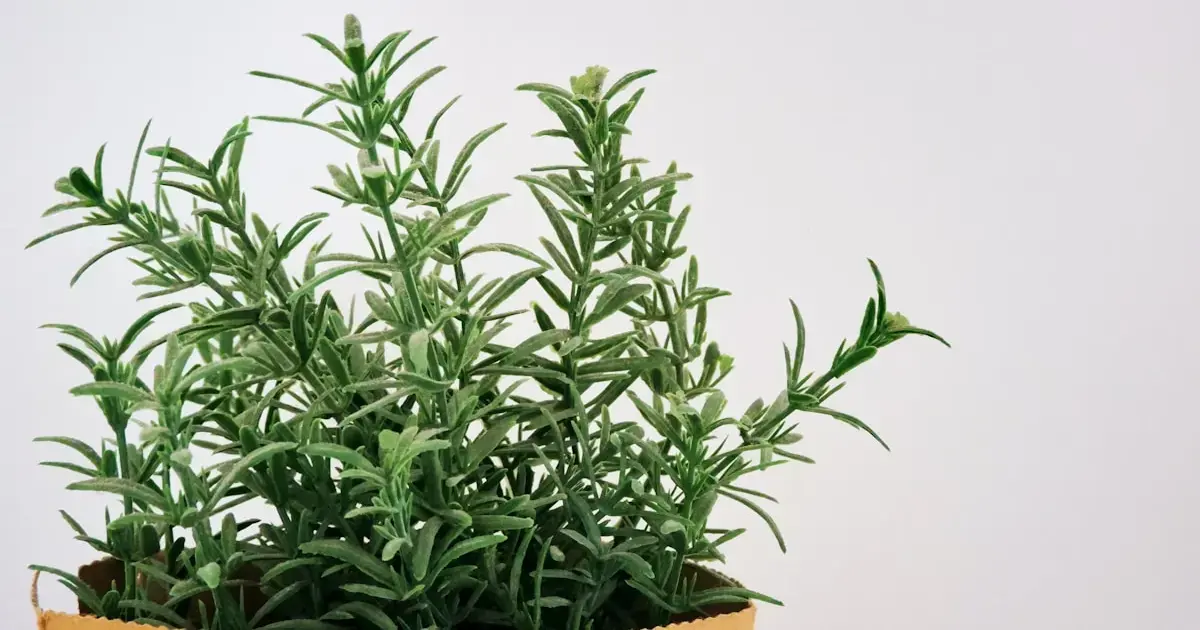
Rosemary is particularly suited for rich dishes; it pairs well with fatty foods and meats. Foods that complement rosemary include game, beef, pork, lamb, rabbit, chicken, bacon, offal, mackerel, anchovies, shrimp, eggs, mushrooms, beans, sweet peppers, eggplant, garlic, onions, potatoes, tomatoes, olive oil, lemon, grapefruit, chocolate, wine, and baked goods. A particularly successful pairing is rosemary with —this vegetable not only absorbs the herb’s aroma beautifully but also has valuable health properties. Try making a hearty , where rosemary will shine.
Thyme
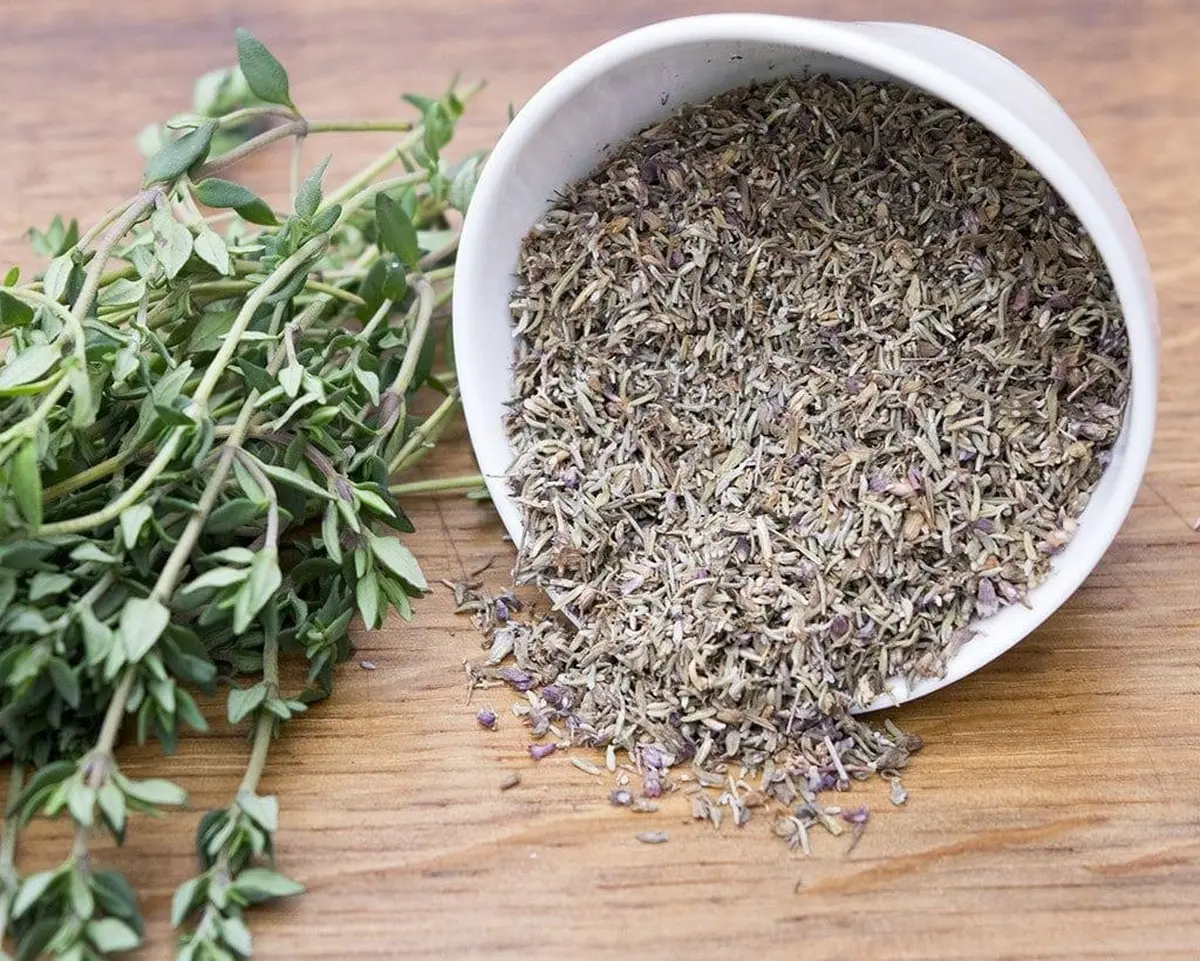
One of the most important herbs in European cuisine, thyme has a warm, spicy aroma with subtle pine notes. This herb is convenient to use in cooking, as its small leaves do not require chopping and look aesthetically pleasing in dishes. Thyme is rightly included in the French herb blend “Bouquet garni”: it enhances the flavor of various dishes and pairs well with many products, other herbs, and spices. Thyme is used in soups and marinades, added to meats, vegetables, cheeses, and mushrooms.
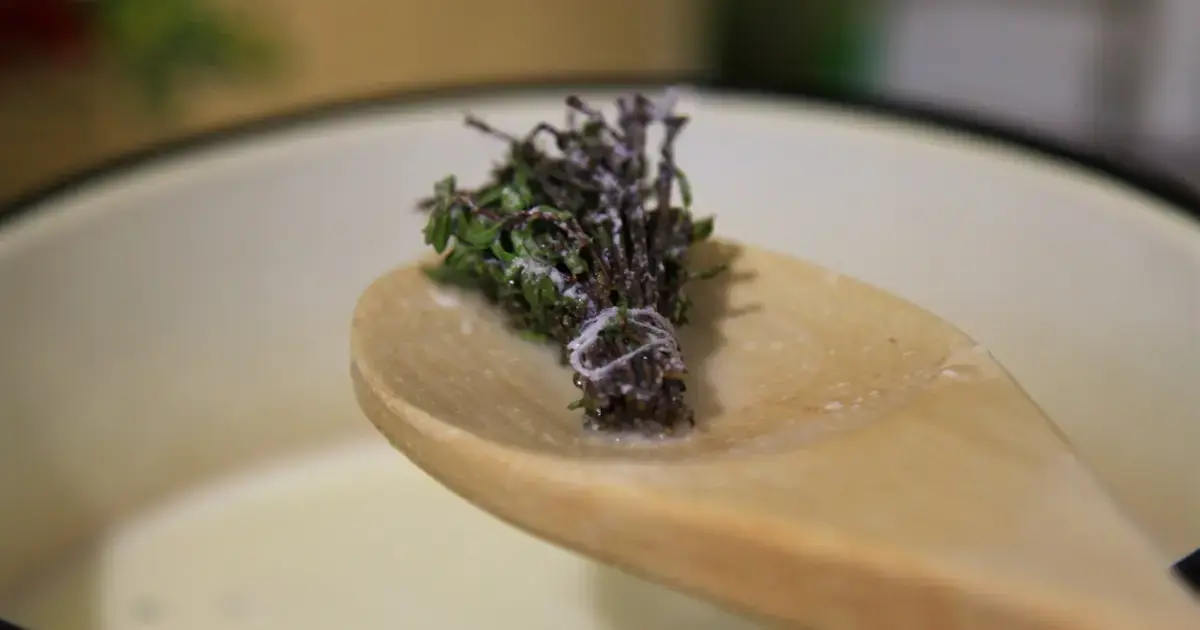
Thyme, also used in Creole, Cajun, and Caribbean cuisines, harmonizes well with savory, marjoram, oregano, rosemary, lavender, tarragon, coriander, parsley, scallions, and bay leaves. Successful pairings for thyme include chicken, lamb, pork, game, rabbit, bacon, fish, beans, lentils, potatoes, carrots, eggplant, onions, tomatoes, lemon, apple, pear, and honey. Thyme will beautifully complement or add zest to a hearty . Its versatility allows for experimentation with various combinations.
Savory
This herb, with its spicy-bitter taste and strong aroma, is beloved in Bulgarian, Serbian, Croatian, and Slovenian cuisines. However, when cooking with this herb, it should be used cautiously—in small amounts and combined with other ingredients at the end of cooking, as savory can impart bitterness to food. Due to its ability to kill many harmful bacteria, savory is used in pickling (this seasoning can be found in spicy herring marinades).
Harmonious culinary combinations for savory can include thyme, lavender, oregano, parsley, rosemary, and sage. Foods that pair well with savory include cheeses, mushrooms, eggs, lentils, beans, peas, potatoes, tomatoes, garlic, beef, veal, pork, lamb, chicken, and offal.
Tarragon
A favorite in French and Caucasian cuisines, tarragon is a component of the French blend of “fine, delicate aromatic herbs” Fines herbes and is included in the classic tartar sauce. However, tarragon has a very intense aroma, so it should be used in limited quantities. Tarragon is used in preparing drinks, oil-based sauces, and in canning, among other things.
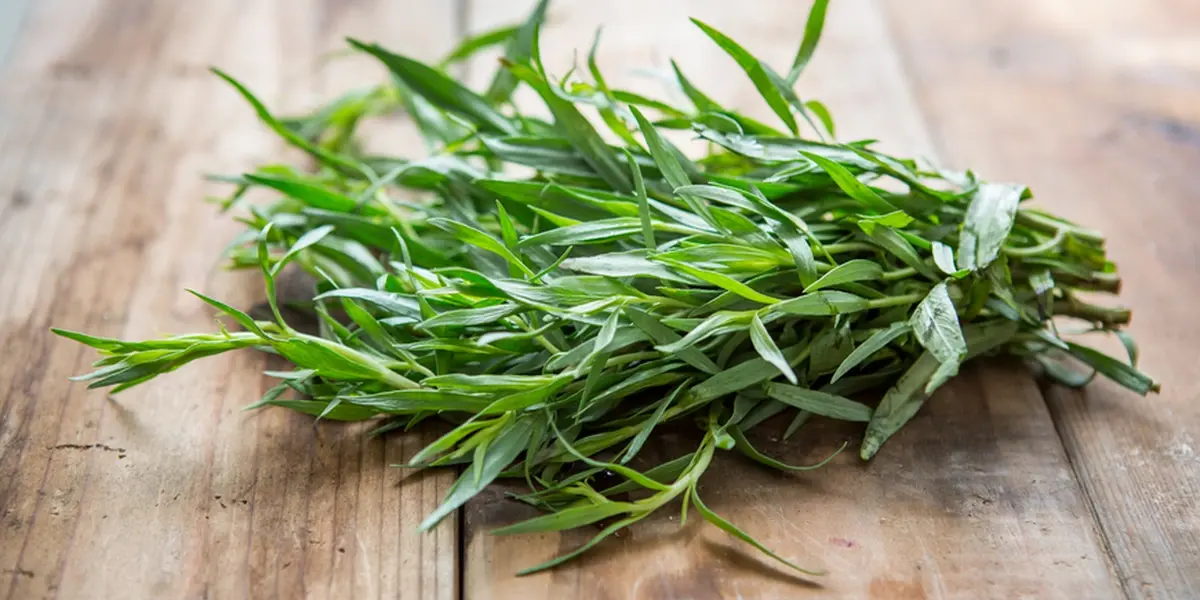
The delicate leaves of the plant with an anise flavor should be plucked from the stem just before use, and this herb should be added to dishes at the end of cooking, as tarragon is very sensitive to heat, which alters its flavor. Acceptable combinations for tarragon include scallions, celery, marjoram, dill, parsley, and savory. Foods that pair well with tarragon include fish, seafood, cheeses, creams, eggs, chicken, mushrooms, capers, potatoes, cauliflower, tomatoes, garlic, mustard, paprika, lemon, orange, lime, grapefruit, melon, and apple.
Sage
This Mediterranean plant has notes of cedar, eucalyptus, lemon, and mint in its aroma. Sage has a strong, slightly bitter scent that is reminiscent of pine forests (especially pronounced when paired with meat and butter). Sage leaves are added to baked dishes, marinades, meat fillings, sausages, sauces, soups, and poultry. To avoid overpowering the aromas of other ingredients, this intensely aromatic spice should be used sparingly.

Successful combinations of sage with other herbs include rosemary, marjoram, thyme, oregano, savory, parsley, and bay leaves. Compatible products include chicken, goose, duck, turkey, veal, pork, bacon, sausages, offal, cheeses, mushrooms, walnuts, pumpkin, eggplant, tomatoes, beans, potatoes, and garlic. Sage particularly shines in dishes with vegetables and meat. Try adding it to or —these recipes will become even more aromatic with the addition of this Mediterranean herb.
Bay Leaves
Bay is part of the “Bouquet garni” herb blend and the spice and herb mix “Khmeli-suneli.” This seasoning is used in both fresh and dried forms. Fresh bay leaves do not taste bitter and have a more refined and delicate flavor. Fresh bay leaves are added to dishes at the beginning of cooking, while dried leaves, in small amounts, are added at the end to prevent bitterness. For the same reason, bay leaves are removed from the dish after 15 minutes. Camphor notes are revealed in bay leaves during long cooking.
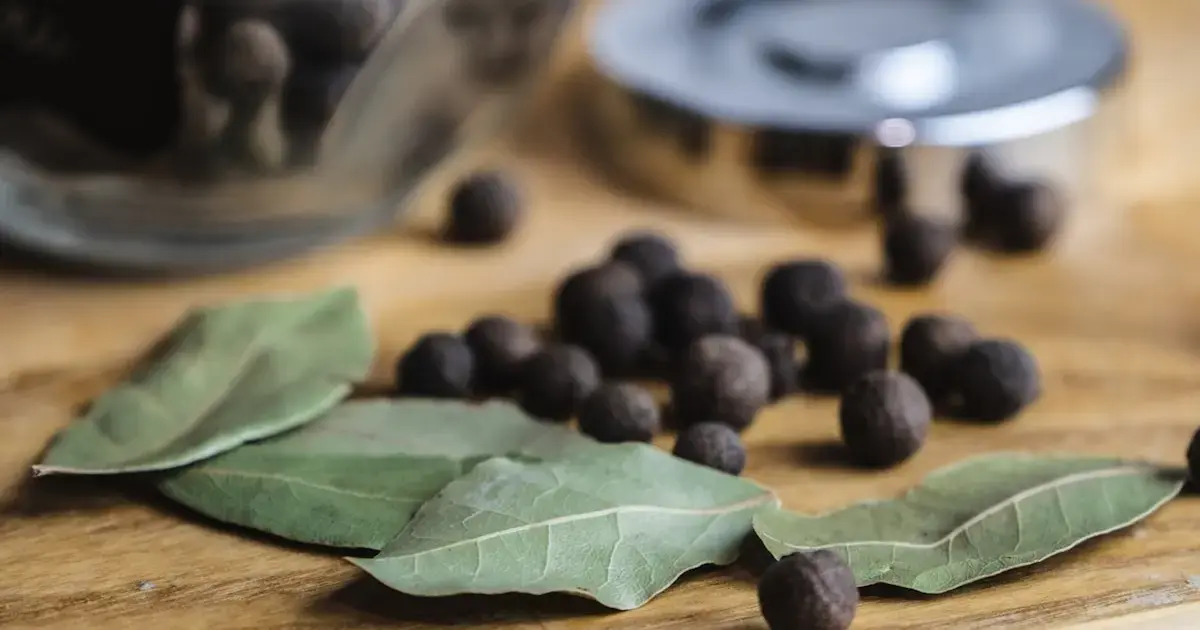
Good combinations for bay leaves include juniper, sage, celery, thyme, parsley, savory, marjoram, and rosemary. Foods that pair well with bay leaves include rice, potatoes, lard, pork, beef, veal, game, chicken, tuna, beans, tomatoes, garlic, black pepper, apple, and lemon.
Lemongrass
Lemongrass, or lemon grass, is a sought-after spice in Caribbean and Asian cuisines. This herb features a pleasant lemon-lime aroma, but it lacks acidity in its flavor. The plant is used in both dried and fresh forms, with the tough stalk being crushed before use to release its aroma and essential oils more effectively into dishes.
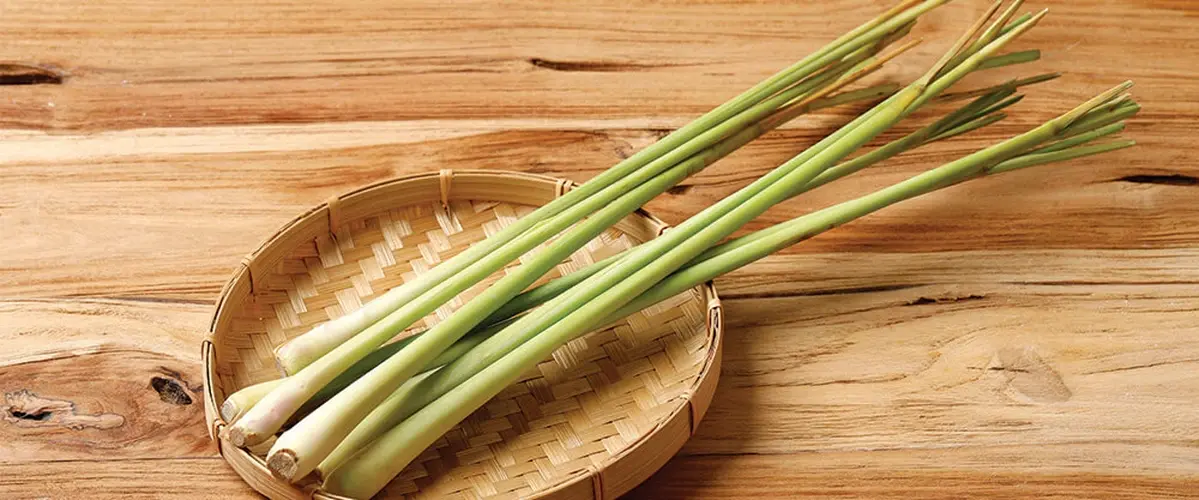
Lemongrass leaves are added to Asian soups, and the chopped or ground root of the plant is also used in dishes. Combinations of lemongrass with other aromatic herbs include mint, basil, coriander, parsley, and scallions. Foods that harmonize well with lemongrass include fish, shrimp, mussels, chicken, pork, rice, noodles, creams, coconut milk, , peanuts, ginger, vanilla, cinnamon, cloves, curry, chili pepper, and lime.
Juniper
The pine aroma of the berries from this evergreen shrub has been duly appreciated by gin producers—the strong alcoholic beverage made from them. For a long time, juniper was primarily used for medicinal purposes, but it has also found its place in cooking. Juniper berries complement game dishes and marinades well, and they are used to make kvass, fruit drinks, and other beverages.
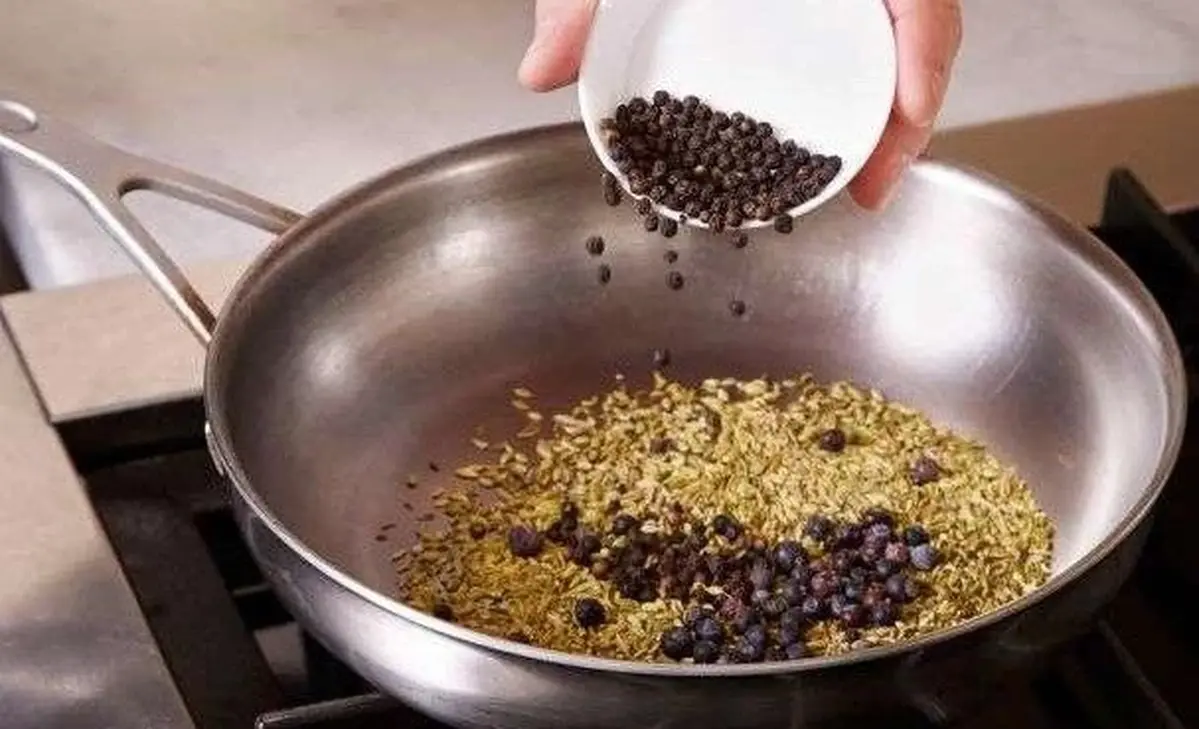
Successful combinations for juniper include parsley, marjoram, oregano, cumin, rosemary, fennel, sage, thyme, black pepper, allspice, and bay leaves. Foods that pair well with juniper include game, beef, veal, lamb, pork, rabbit, duck, liver, kidneys, salmon, cabbage, onions, garlic, apple, and red wine.
Cardamom
This incredibly aromatic and precious spice (one of the most expensive in the world) comes from the dried pods of a plant in the ginger family and is used in cooking to add a fresh citrus and eucalyptus flavor to baked goods, desserts, meat dishes, and beverages (coffee or tea). Cardamom capsules have healing properties and are used in Middle Eastern, Indian, and Scandinavian cuisines.
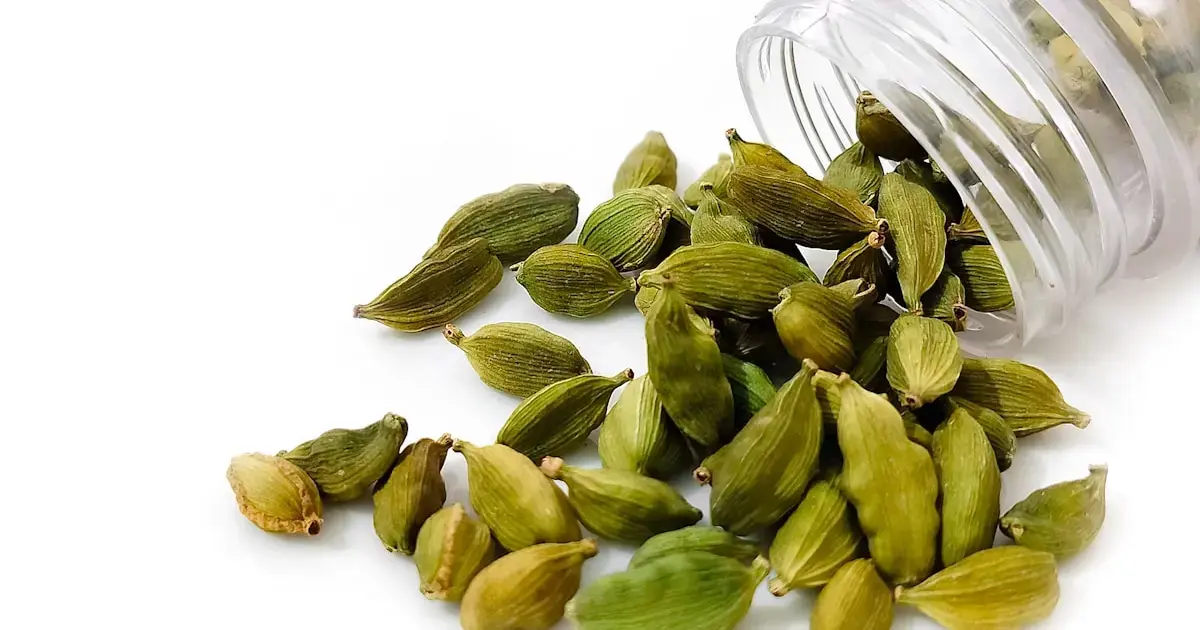
While green cardamom (the most common variety) is used in sweets, black cardamom, with its more pronounced resinous or smoky aroma and lemon notes, is added to curries and meat dishes. The “star” of cardamom is essential for traditional German Christmas stollen, , Alpine mulled wine, or creamy steak sauce.
Herb Blends
- Bouquet garni (France): 2 sprigs of parsley, 2 bay leaves, 4 sprigs of thyme, 1 green leaf of leek.
- Fines herbes (France): tarragon, parsley, scallions, chervil (verbena or marjoram may be used).
- Herbes de Provence (France): rosemary, basil, savory, marjoram, thyme, lavender, bay leaves.
- Italian herbs: rosemary, basil, oregano, thyme, granulated garlic.
- Za’atar (Arab countries): thyme, sesame, oregano, sumac, marjoram, salt.

Tips for Using Herbs
- When adding herbs at the end of cooking and for marinades, chop them finely. For adding to roasted dishes or long cooking, it’s better to use the herbs whole.
- After washing, herbs should be dried before chopping to avoid a paste-like mass.
- To refresh wilted herbs, immerse them in cold water with ice for 5–10 minutes and then dry them.
- Since dried herbs usually have a more intense aroma, they should replace fresh herbs in a ratio of 1:3 (for 3 parts of fresh herbs, use 1 part of dried).
- The more delicate the aroma of the product (this is particularly true for cheese, chicken, or eggs), the less fragrant herbs should be used, and their aroma should be milder. Conversely, the stronger the product’s scent (game, duck, or rabbit), the more pronounced the aroma of the herbs should be. Using herbs with a pine aroma in cooking requires some knowledge and caution. Remember to consider proper dosages, contraindications, and harmonious combinations with products. Experiment with different herbs to find the flavor combinations that suit you best. Spices with camphor notes can transform an ordinary dish into a culinary masterpiece when used skillfully and thoughtfully.
 Which herbs have pine aroma?
Herbs with a pine aroma include rosemary, thyme, juniper, sage, tarragon, lemongrass, and bay leaves. These plants add a refreshing camphor scent to dishes, reminiscent of walks through pine forests.
What products pair well with rosemary?
Rosemary pairs well with fatty foods and meats: game, beef, pork, lamb, chicken. It also complements mackerel, shrimp, mushrooms, eggplants, garlic, potatoes, and tomatoes. A particularly successful pairing is rosemary with eggplant.
Who should avoid rosemary?
Rosemary is contraindicated for people with epilepsy (it can trigger seizures) and hypertension (it raises blood pressure). Others should also avoid overusing this herb, as it stimulates the gastrointestinal tract.
What is included in Provençal herbs?
Provençal herbs (Herbes de Provence) include: rosemary, basil, savory, marjoram, thyme, lavender, and bay leaves.
How to substitute fresh herbs with dried ones?
Dried herbs have a more intense aroma, so they should replace fresh herbs in a ratio of 1:3 – for 3 parts of fresh herbs, use 1 part of dried.
When to add bay leaves to dishes?
Fresh bay leaves are added at the beginning of cooking, while dried leaves, in small amounts, are added at the end to prevent bitterness. After 15 minutes, the bay leaves are removed from the dish.
Photo: Unsplash
