
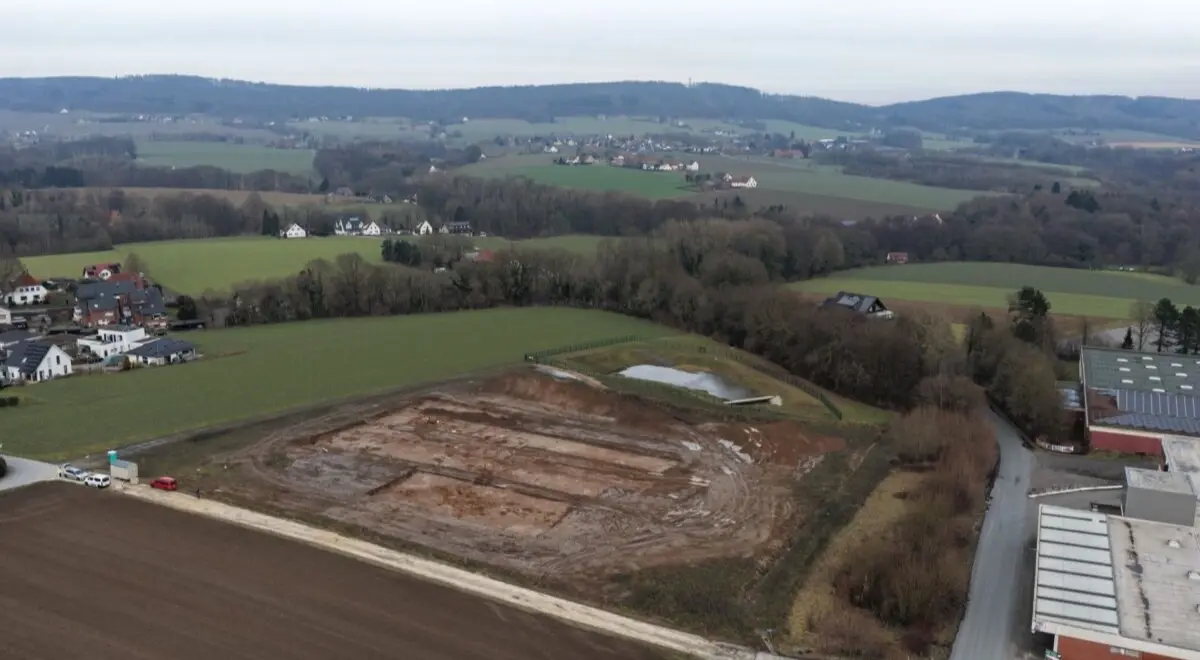
During excavations ahead of building a fire station in Hüllhorst (Minden-Lübbecke district, northern Germany), archaeologists made a remarkable discovery. They uncovered a that’s more than 2,500 years old.
The work was overseen by the Westphalian Association of Local Authorities (LWL), whose experts called the find a major breakthrough for archaeology in North Rhine‑Westphalia.
Earlier in the region, in the towns of Werther and Minden, researchers had already found remains of houses from the early Iron Age.
The recent digs ran along Logagenweg, where the municipality is now building the new fire station. Before construction began, surveyed the area because of its favorable location near an ancient spring. Prehistoric settlements often sit close to water sources that served communities for millennia.
What did archaeologists uncover?
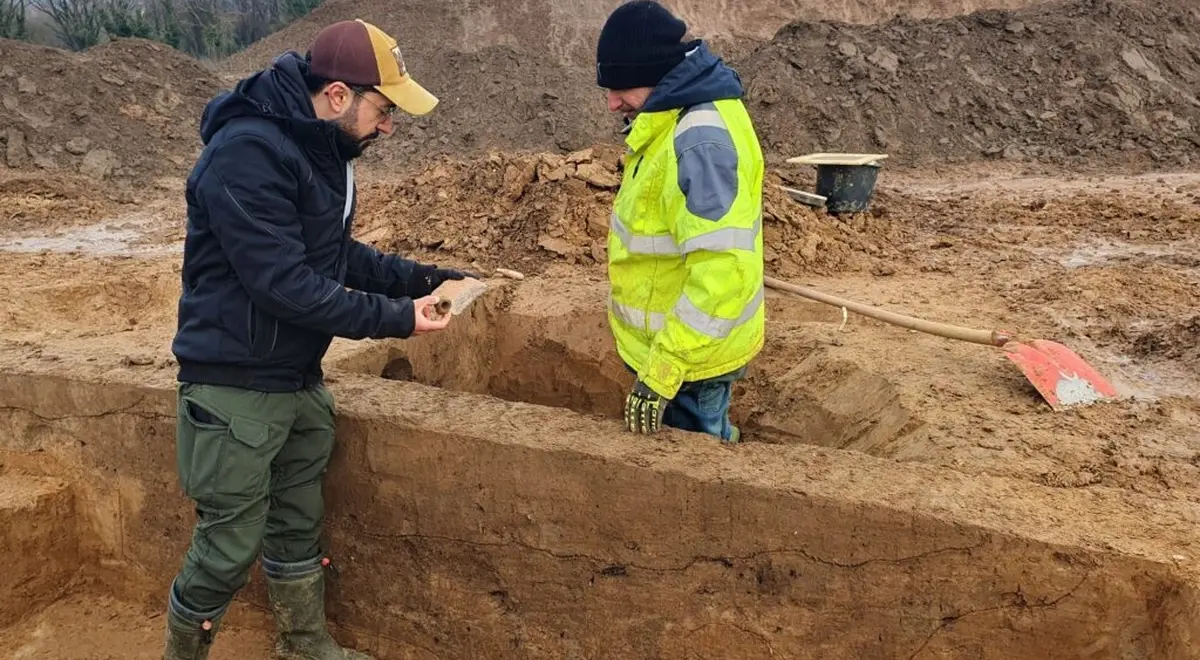
At first, archaeologists removed the topsoil in four narrow strips across the site. They quickly realized the area had been occupied more than two millennia ago, Arkeonews reported.
The team spotted discolorations in the soil marking former storage pits and refuse pits. They also found traces of wooden support posts, which helped researchers reconstruct the layout of the buildings.
“We found the remains of a large residential next to two smaller structures,” said excavation leader Gisham Nabo. The large building was oriented northeast to southwest. The ancient builders had taken the prevailing wind into account, reducing its impact on the dwelling. That detail highlights the builders’ architectural and environmental awareness.
Pottery pins down the settlement’s age
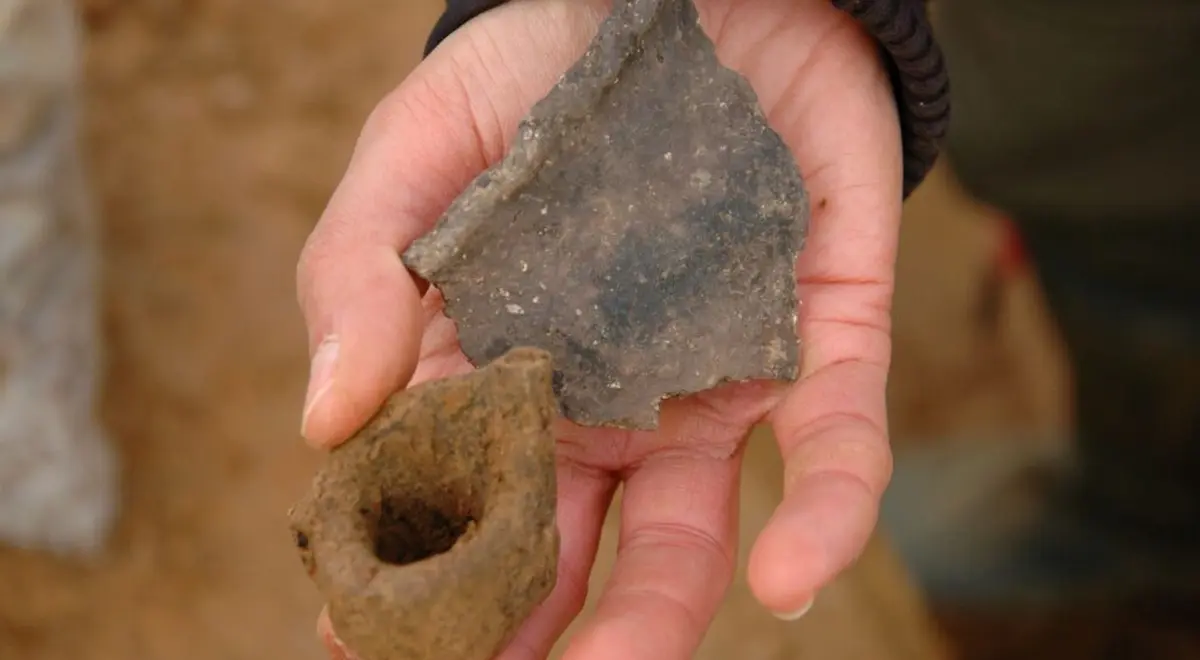
The ancient pits yielded a cache of ceramic . Among them were fragments of handled cups and thick‑walled vessels with characteristic finger impressions on the rims. Those finds point to the early Iron Age — roughly between 800 and 600 BCE.
To refine the dating, the team plans to radiocarbon‑date charcoal fragments recovered from the postholes, since archaeological sites often preserve traces from multiple historical periods.
Sebastian Düvel, a scientific consultant who specializes in Iron Age sites, called the discovery “a lucky accident for archaeology.” He said the find offers “valuable new opportunities to better understand daily life in the region more than 2,500 years ago.”
What about the fire station?
Despite the significance of the discovery, construction of the new fire station in Hüllhorst will continue on schedule. Archaeologists excavated and thoroughly documented artifacts only in the areas directly affected by the building project. The team suggested the settlement may extend further to the north.
For both researchers and local residents, the unexpected find was a reminder that traces of ancient history can lie literally underfoot, waiting to be uncovered.