
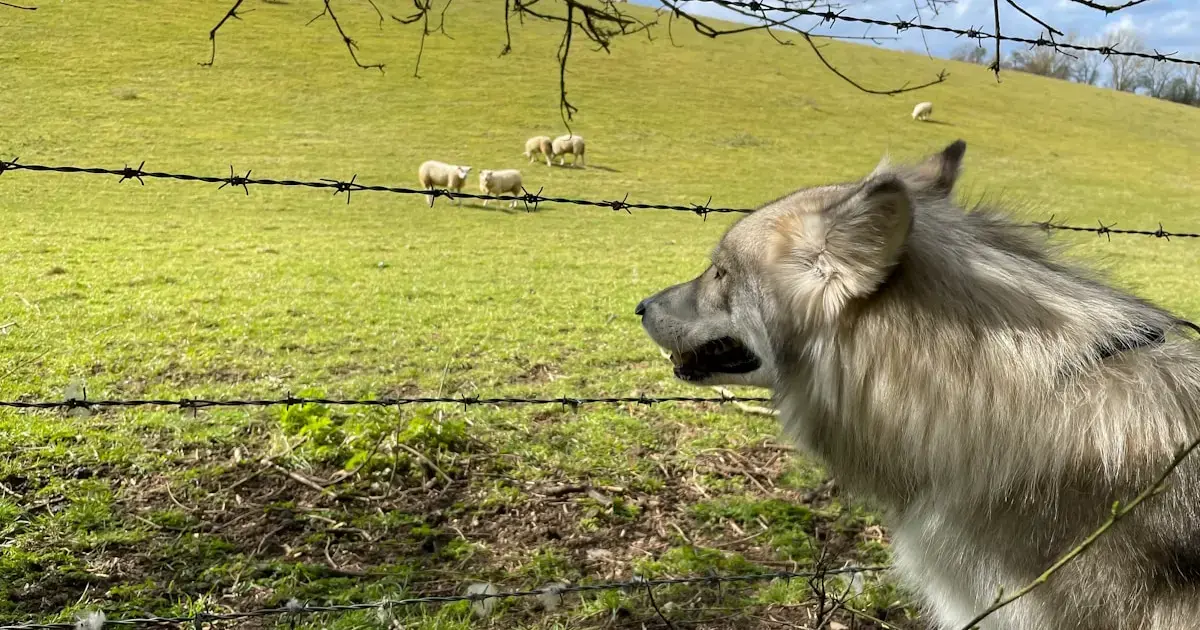
 If you see a cute little puppy wandering down the street, keep in mind: there’s a real living inside it.
This revelation comes from researchers at the Smithsonian National Museum of Natural History. They were surprised to discover that about two-thirds of dogs from all breeds carry a certain amount of .
And this isn’t just a genetic remnant from that pivotal moment around 20,000 years ago when diverged from wolves. According to the researchers, it suggests that domesticated dogs and wild wolves have been interbreeding over the last few thousand years.
“This doesn’t mean that wolves are coming into your home and ‘mixing’ with your pet dog,” says Logan Kistler, a museum curator and co-author of the new study.
Dogs and wolves can produce offspring, but interbreeding between them is believed to be rare.
“Until now, leading scientists assumed that for a dog to be considered a dog, it shouldn’t have a significant amount of wolf DNA,” noted lead author Audrey Lin.
What Did the Team Discover?
To delve deeper into this issue, scientists analyzed thousands of dog and wolf genomes from publicly available databases. They found that over 64 percent of modern breeds have wolf ancestry, with even tiny Chihuahuas carrying about 0.2 percent.
“This is completely understandable for those who own Chihuahuas,” Lin joked.
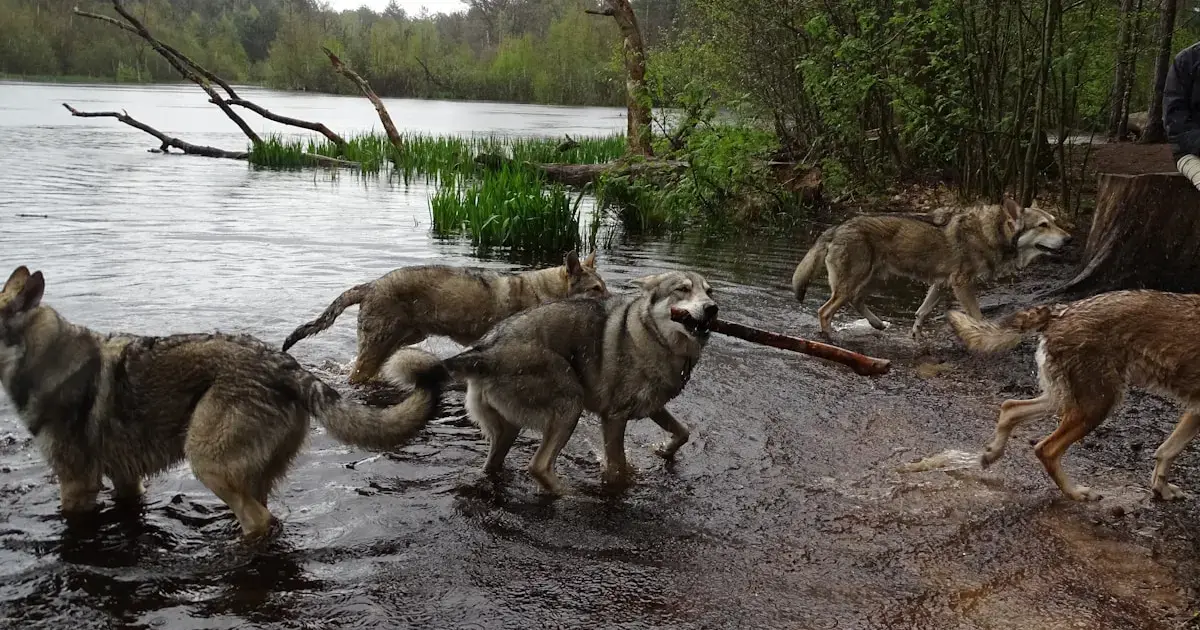
The breeds with the highest percentage of wolf DNA—around 40 percent—were the Czechoslovakian and Saarloos wolfdogs.
Among domestic breeds, the most “wolf-like” were the large Anglo-French tricolor hounds, which carry about five percent wolf DNA. A significant percentage was also found in greyhounds, according to Science Alert.
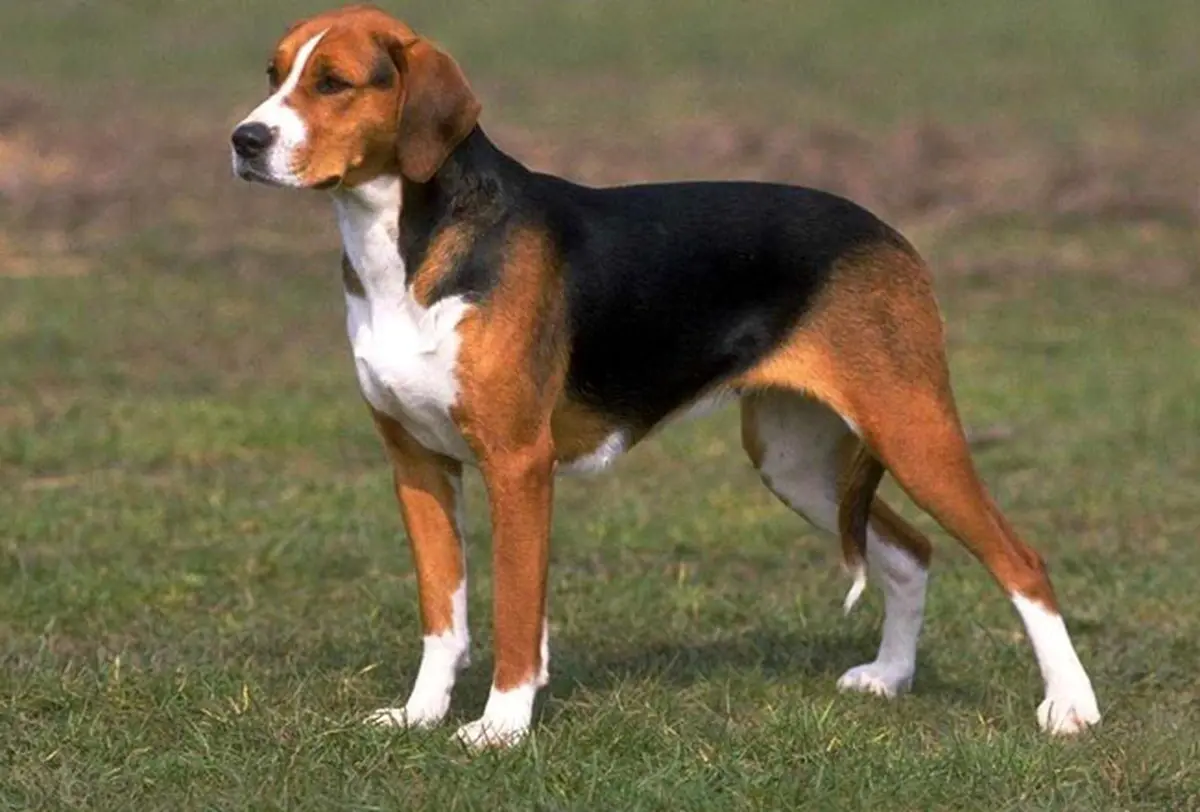
Anglo-French tricolor hounds
The study also revealed that 100 percent of rural dogs living in human settlements, but not kept as pets, have wolf ancestors.
Kistler suggested that rural dogs, which have more opportunities to interact with wolves, could be the channel through which wolf DNA entered the dog gene pool. He believes that wolves separated from their packs due to human activities (such as habitat destruction) may begin to interbreed with stray dogs.
Genes and Personalities
Researchers compared the genomic analysis results with descriptions of the temperaments of various dog breeds used by kennel clubs.
Breeds with little or no wolf DNA were often described as friendly, affectionate, and easy to train.
On the other hand, dogs with a high percentage of wolf DNA were typically wary of strangers and more independent.
“Wolves have evolved for specific habitats and conditions, while dogs have been dispersed by humans all over the world,” he added. Dogs had to adapt to the places humans brought them and to the wolf genes that provided them advantages in certain contexts, the scientist explained.
For example, many breeds from Tibet, such as the fluffy little Lhasa Apso, carry the EPAS1 gene, which arose from adaptation to high altitudes. Tibetan wolves have the same gene.
The findings of the study were published in the journal Proceedings of the National Academy of Sciences.
Photo: Unsplash
