
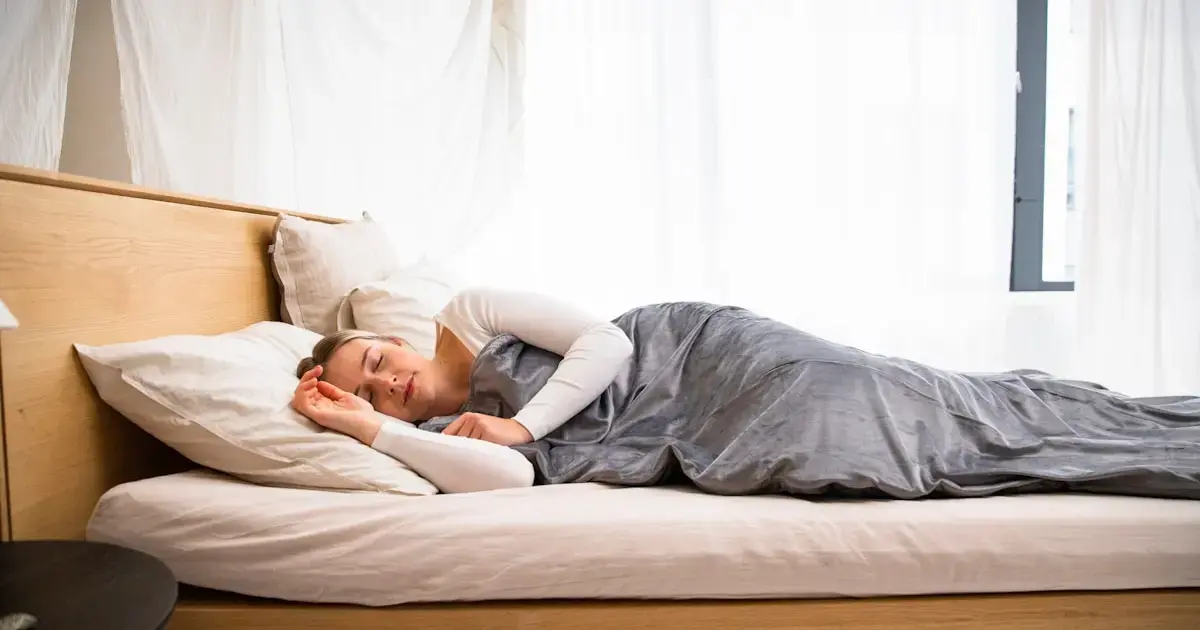
 Dr. Deborah Lee, a lifestyle expert and sleep specialist, explains that there are only a few popular that people adopt. Some of these are better for posture than others, and their names relate to how the spine, legs, and arms are positioned during sleep.
Recently, the side-sleeping position with arms bent and pulled close to the chest has been dubbed the “T-Rex pose” on social media.
“Generally, sleeping on your back or side is best. These positions help the muscles relax and recover overnight,” Dr. Lee told the Daily Mail.
“We should sleep without putting excessive pressure on our joints and muscles, and remember that body position during sleep is linked to heartburn/digestive issues, , and pain,” the researcher added.
Which of these positions do you prefer?
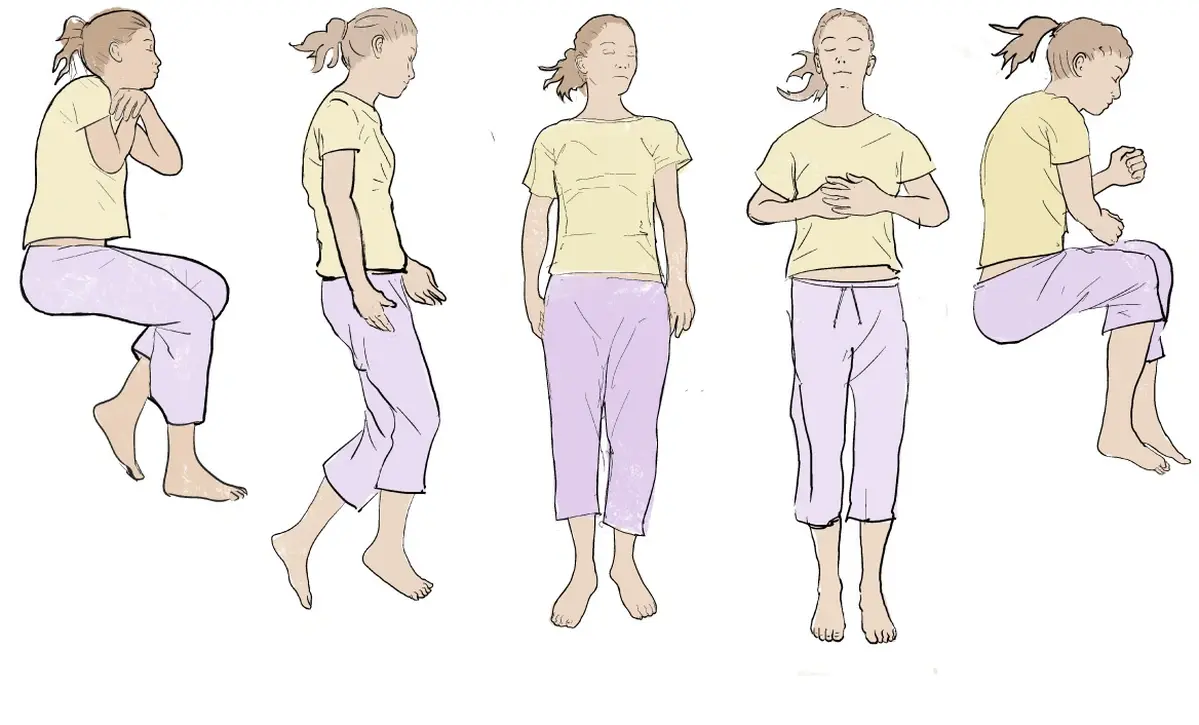
Side Sleeping: The “T-Rex”
The position named after the T-Rex involves lying on your side with your arms curled up against your chest (particularly the wrists). Dr. Lee believes this position should be avoided.
“It’s a natural instinct to curl up on your side and pull your wrists to your chest when we feel anxious or threatened,” she added. However, this body position can lead to nighttime paresthesia: abnormal sensations on the skin, such as tingling, numbness, or burning.
Meanwhile, Dr. Raj Dasgupta, a sleep medicine specialist, claims that the T-Rex pose can cause irreversible nerve damage. He states that it “slows blood circulation and causes numbness or tingling; frequent sleeping in this position strains the shoulders and leads to stiffness or pain.”
Side Sleeping: The “Pencil”
A much more comfortable side-sleeping position involves extending your arms along your body. According to scientists, this position has numerous benefits.
Experts generally recommend sleeping on your side, provided that both your body and head are turned in the same direction. This helps reduce strain on the joints, maintain proper spinal alignment, and prevent pain.
According to the reputable Mayo Clinic in Minnesota (USA), proper side sleeping reduces pressure on internal organs and promotes healthy blood circulation.
Side Sleeping: The “Fetal” Position
Another variation of side sleeping is the fetal position: knees drawn up to the chest. This is one of the favorite positions among adults, as it allows for healthy and comfortable falling asleep. The fetal position also helps align the spine, reduces snoring, and provides comfort for pregnant women and patients with back pain.
Back Sleeping: The “Soldier” or “Corpse”
To avoid joint pain, scientists recommend sleeping on your back facing the ceiling. However, this position can sometimes lead to neck pain.
Experts at the Mayo Clinic assert that lying on your back is the worst sleeping position (especially for those suffering from apnea).
There are two main variations of back sleeping: the soldier position (with arms along the body) or the corpse position (arms on the chest, possibly crossed). Dr. Lee believes the soldier position is preferable.
It allows for “proper spinal alignment, straight arms, and wrists.” A pillow can be placed under the knees to soften the lumbar curve, according to the expert.
Stomach Sleeping
Finally, is generally considered the most harmful to health, as it complicates breathing and often leads to spinal misalignment. According to Dr. Lee, those who favor this position often wake up with neck, arm, and shoulder pain.
A particularly problematic variation of stomach sleeping is when one leg is raised higher than the other, and one arm is bent under the pillow. This again leads to potentially misaligned spine, warns Dr. Lee.
“If you regularly wake up with tingling or numbness in your arm, it’s time to reconsider your sleeping position, as you may be experiencing restricted blood flow. Ideally, you should find a position, mattress, and pillow that help you sleep well and avoid pain in the morning,” noted Professor Christian Moro from Bond University (Australia).
Photo: Unsplash