
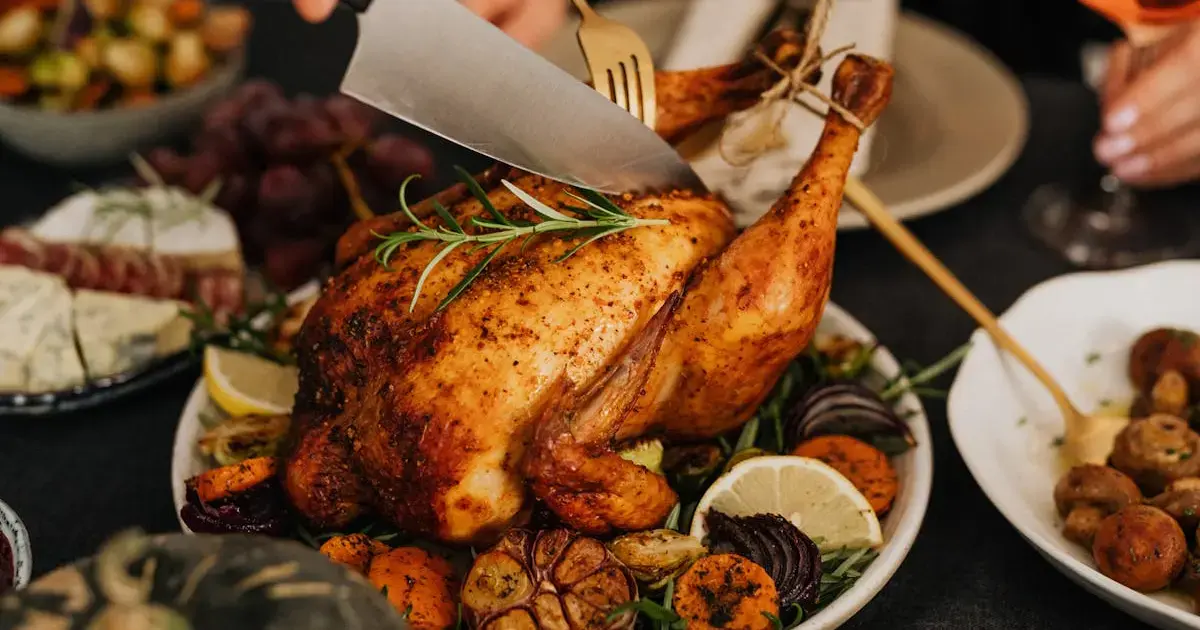
 When someone at the holiday table exclaims, “I’ve eaten too much!” it’s often seen as a sign of a successful feast. However, gastroenterologists say there’s nothing good about overeating. They point out a range of symptoms that could indicate not just simple stomach discomfort but also something as serious as colon cancer.
The Dangers of Overindulgence
So, is our food coma something more serious than the usual aftermath of a holiday feast?
Medical professionals refer to a food coma (or “postprandial somnolence”) not as a true coma but as a common feeling of extreme drowsiness, fatigue, heaviness, and lack of energy following a hearty meal rich in carbohydrates and fats. This state involves hormonal changes, digestive complications, and spikes in blood sugar, which can lead to decreased attention and energy levels.
During the holiday season, even before we sit down for Christmas dinner, we tend to drink more alcohol, snack on chocolate, cheeses, buttery pastries and rich dishes, and sip sweet coffee and hot chocolate from the supermarket.
According to Dr. Fuad Jafarov, a gastroenterologist at the Turkish clinic ACIBADEM, his patients often experience bloating and changes in bowel function during the last months of the year. He notes that this may not simply be a result of overeating pie but could be a symptom of colon cancer.
“This disease is much more treatable if detected at an early stage. So, listen to your body, especially after the holiday feasts,” says Dr. Jafarov.
He adds that colon cancer diagnoses have surged over the past decade, increasingly affecting people under 50, and doctors are still trying to understand why, according to the Daily Mail.
Dr. Jafarov emphasizes that while bloating is generally normal, it should not last longer than expected.
Bloating, which many of us consider an inseparable part of holiday meals, can be an early symptom of cancer.
What Other Signs Should Not Be Ignored?
If you notice that bloating occurs without any apparent reason (for instance, if you haven’t strayed much from your usual daily diet) and doesn’t go away after a few weeks, it’s a cause for concern. This is especially true if the bloating is accompanied by changes in bowel function.
Dr. Jafarov noted, “In the context of colon cancer, bloating is not just linked to one instance of overeating but is associated with a persistent feeling of fullness, as well as swelling that doesn’t subside.”
Increased portion sizes and fluid intake inevitably lead to more frequent trips to the restroom. However, if you find yourself going more often than usual for several weeks, this could also be a warning sign of colon cancer.
“Colon cancer can cause loose stools, increased urgency to defecate, or a feeling of incomplete evacuation,” says Dr. Jafarov.
Another factor he highlights is extreme fatigue.
“Feeling drowsy after a hearty Christmas dinner is quite common. Many people want to take a nap after the holiday meal. However, fatigue can be concerning if it feels unusual compared to your usual activity and persists for an extended period,” Dr. Jafarov explains.
According to him, colon cancer can also lead to slow, chronic bleeding, resulting in iron deficiency anemia.
Other signs that the gastroenterologist points out include a feeling of early satiety, loss of appetite, unexpected weight loss, pain, and bowel obstruction.
If you notice any of these signals, it’s crucial to consult a doctor immediately, Dr. Jafarov asserts.
Photo: pexels.com