
Engineering Marvels: The Future of Power Generation
We’re building machines so massive today that even the legendary Gulliver would look tiny by comparison.
It’s true.
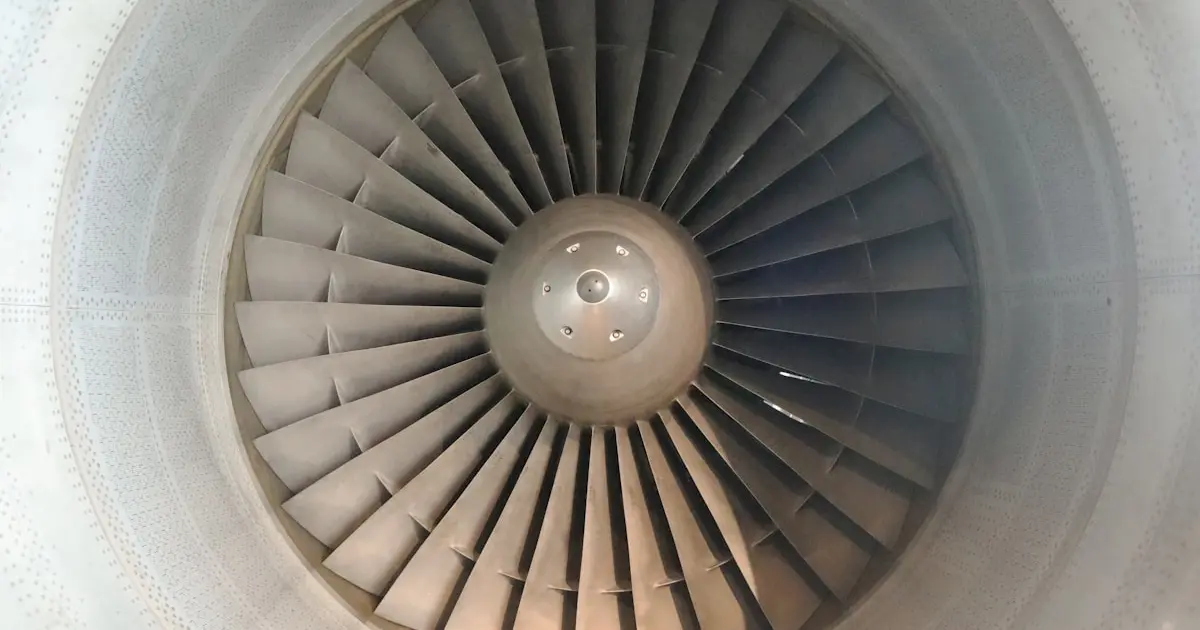
For example, a steam turbine can have a capacity of 150,000 kilowatts. To produce its rotor, manufacturers need a special heat-resistant steel ingot weighing 200 tons. But this massive chunk of metal must be transformed into a rotor through forging. Clearly, a blacksmith with a hammer is out of the question here. No human could even approach this steel mountain, which radiates unbearable heat. Only a gigantic forging press that can exert 20,000 tons of force can handle it.
Yet we already have designs for turbines with capacities of 500,000 and even 800,000 kilowatts!
What will the landscape look like in two decades? Will turbines require rotors weighing thousands of tons?
That seems unlikely. Even now, welding techniques are used to manufacture turbine components, joining smaller parts with electric arcs—much like a tailor pieces together a coat from sleeves, backs, and panels.
Over time, the largest power plants might run without boilers and steam turbines at all. Those bulky, complex, costly machines could be replaced by plasma generators.
And who can say that plasma generators won’t find successful application in the future?