
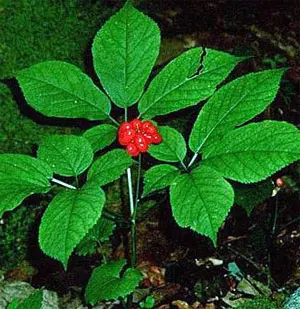
He spent his entire life wandering through the taiga in search of the magical root of life—known as “pancui” in Manchu and “ginseng” in Chinese. He built a little shelter over the young root and guarded it for many years, waiting to harvest it at its peak to make a tincture and reclaim his lost youth…
What the legend says next about this “pancui”—the so-called “root of life”—is less important. Ginseng tincture helps with many ailments, strengthens the immune system, and supports the body’s fight against various diseases.
Ginseng is an incredibly rare plant. Finding it is as difficult as discovering a gold nugget. Clearly, not every sick person could benefit from this miraculous remedy.
So biologists decided to cultivate the “root of life” on plantations. They faced numerous challenges. Ginseng does not grow in areas that have experienced even a single fire. It cannot tolerate direct sunlight and prefers locations where the sun only touches it at dawn and then bids it farewell at sunset.
The importance of ginseng cultivation is clear: residents of the Korean city of Kaesong erected a monument to their countryman Song Pong San, who was the first to tame the “root of life,” making it grow not in the remote, roadless taiga but under human supervision.
But what about the “pancui” grown in the Moscow region or Belarus? Those are likely not seekers but gardeners—caretakers of the legendary “root of life” growing in their yards.
Today, ginseng plantations have been established near Moscow, in Belarus, and even near Leningrad.