

A team of researchers from the Institute of Computational Biology at George Washington University investigated the “grandma hypothesis” about washing different areas of the body and found that people often overlook key spots, such as the navel and the area behind the ears. This neglect can harm the skin’s microbiome, the community of microorganisms living on the skin.
Kit Crandall, the institute’s director and a professor of biostatistics and bioinformatics, said in 2023 that his grandmother always told him to “scrub behind the ears, between the toes, and around the navel.” He speculated that these areas might harbor bacteria due to inadequate washing, different from those found on other parts of the body.
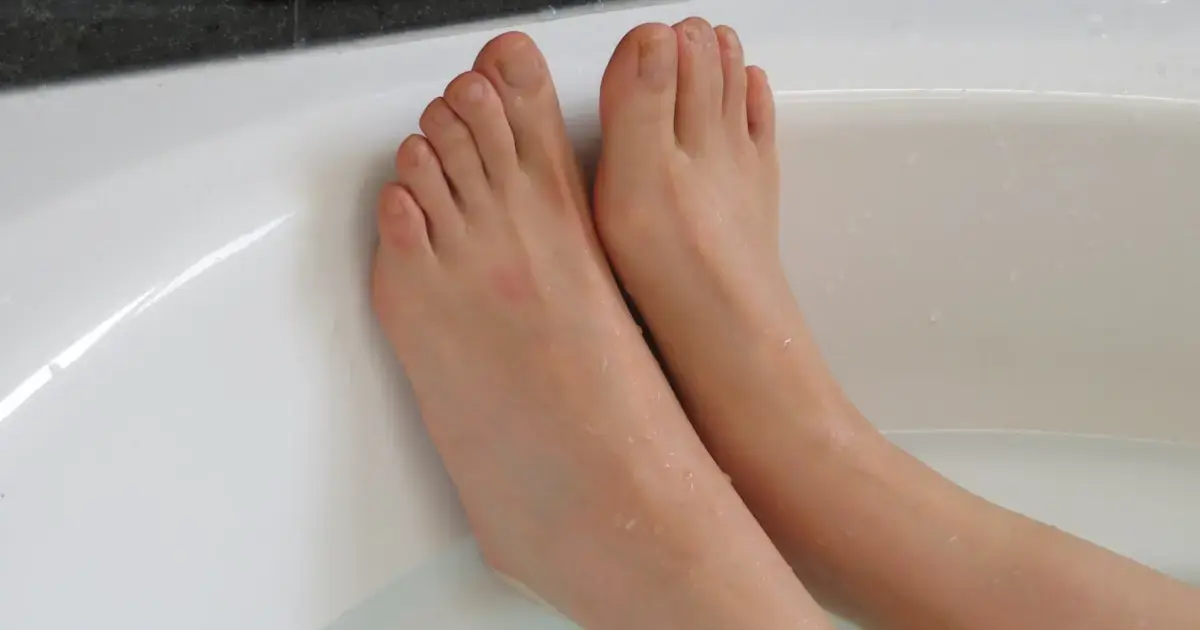
During the study, researchers collected skin samples from the calves, forearms, behind the ears, between the toes, and around the navel from 129 students. The students were trained to sequence material from the samples, comparing data from oilier, unwashed skin areas to drier, cleaner ones.
It turned out that both Grandma Crandall and her professor grandson were right: in the areas that students washed more thoroughly, the microbiome was significantly more diverse and contained a potentially healthier collection of microbes than in the neglected zones.
“The dry skin on the forearms and calves is smoother, richer, and functionally different from the oily (behind the ears) and moist (navel and between the toes) areas,” the researchers wrote in their report.
That pattern held true regardless of the participants’ gender, age, or ethnicity, IFLScience reported.
Professor Crandall said the skin microbiome includes both beneficial and harmful microbes. When the balance shifts toward harmful microbes, it can lead to conditions such as eczema or acne.
The researchers say the link between microbiome health and overall human health still needs more study.
Photo: Unsplash
Grandma Was Right: Skipping These Spots Changes Your Skin Microbiome
12