
 It might seem that the cradle of the has long been devoid of archaeological mysteries. However, that’s not the case. Recently, researchers stumbled upon previously unknown architectural structures hidden beneath centuries of soil.
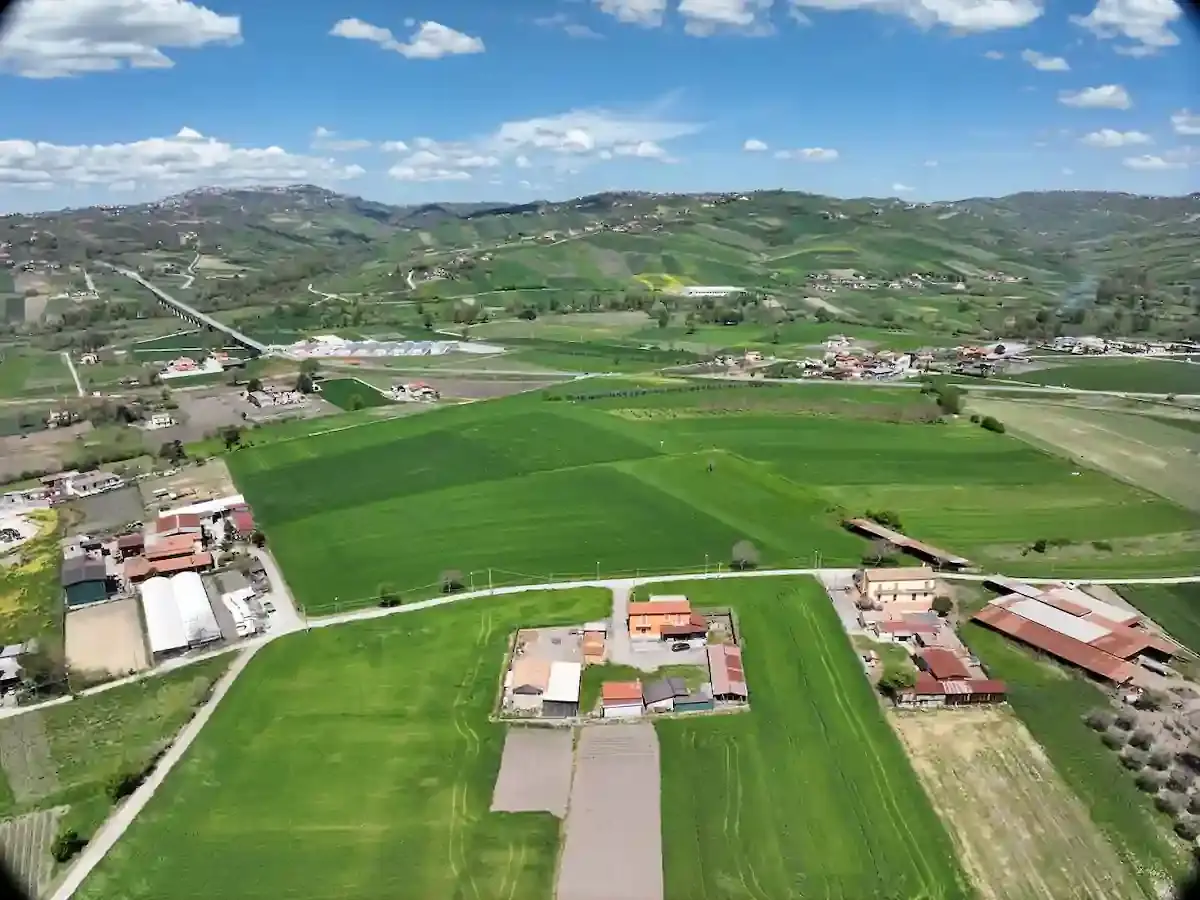
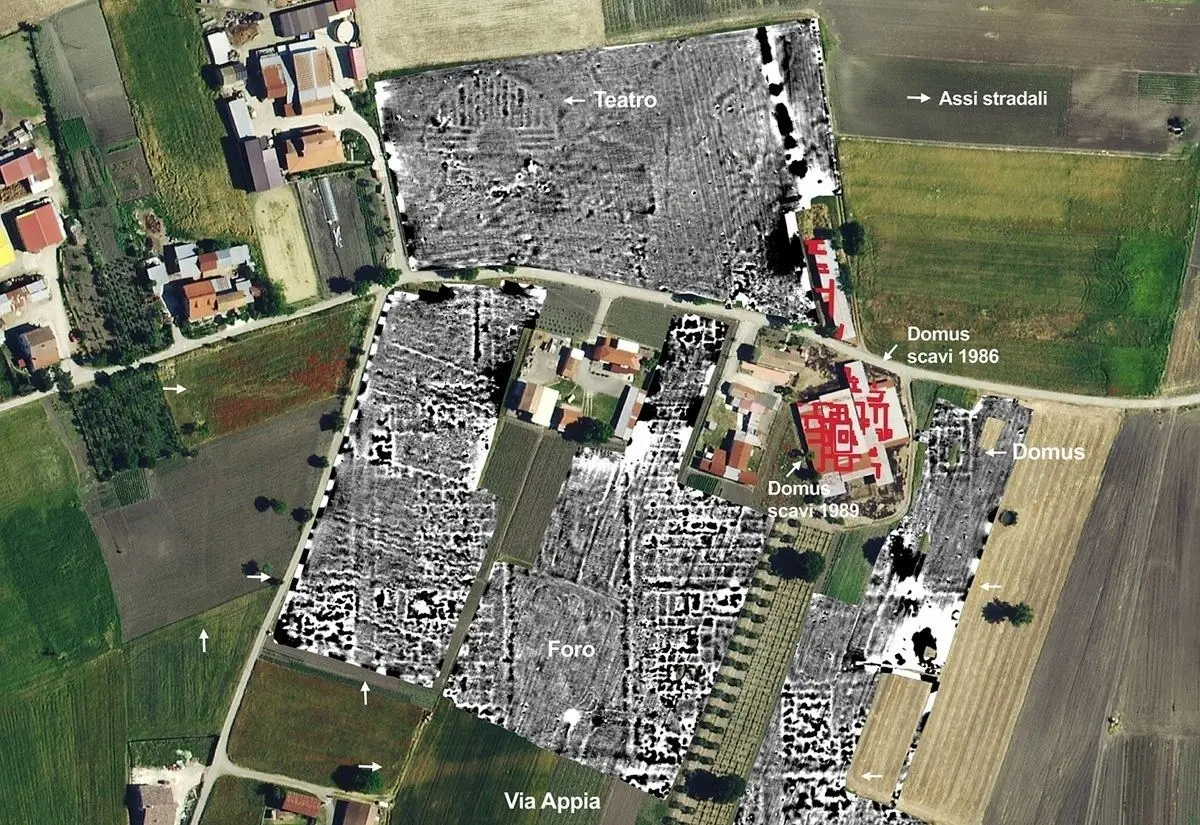
At the archaeological site of Fioccaia, located in the municipality of Flumeri (province of Avellino), scientists used drones to uncover the ruins of a monumental theater and a central square – the forum.
This discovery sheds new light on the planning and historical significance of the that thrived in the 2nd to 1st centuries at the site of the archaeological landmark Fioccaia. The city, with its grand buildings and developed infrastructure, was one of the key transport hubs along the strategically important Appian Way.
This was reported by a team of archaeologists led by Professor Giuseppe Ceraudo from the University of Salento. The work was conducted in collaboration with regional cultural heritage authorities and local administration, as detailed by the publication Arkeonews.
The Discovery Made Possible by Cutting-Edge Methodology
During the research, archaeologists combined geophysical methods with advanced remote sensing technologies, including drones equipped with thermal and multispectral sensors. These tools helped scientists identify structures that are invisible to the naked eye.
According to Professor Ceraudo, the team obtained a “true X-ray image of the ancient center, which is still buried underground.” This allowed the researchers to create a remarkably accurate map of the city’s orthogonal layout, clearly defining streets and neighborhoods.
A Major City on the Appian Way
The findings confirm the significant role of the settlement that once stretched along the legendary Appian Way, which the Romans also referred to as the Queen of Roads.
The Appian Way, a UNESCO World Heritage site, connected Rome with Southern Italy, facilitating trade, troop movements, and cultural exchange.
It’s worth noting that the large city under investigation was built near the confluence of the Ufita and Fiumarella rivers, providing it with both logistical and economic advantages.
By analyzing data obtained through innovative technologies, archaeologists identified a large rectangular forum – a significant central square. Its surrounding buildings, whose outlines can now be easily recognized through non-invasive methods, indicate the scale of the settlement.
In the Roman urban planning system, the forum served as a multifunctional space for political gatherings, trade agreements, and religious ceremonies. The size and location of the forum suggest that this settlement was not just a small roadside stop. It was a significant city integrated into the administrative and economic system of Ancient Rome.
Equally remarkable is the discovery of a monumental . The grandeur and architectural design of the structure indicate that the city, with its considerable cultural ambitions, had sufficient resources to host large public entertainments.
The discovery of the forum and the monumental theater marks a turning point in the study of Fioccaia. Through the combination of advanced technologies and interdisciplinary collaboration, researchers have illuminated a once-buried Roman city, the significance of which has long been underestimated.