
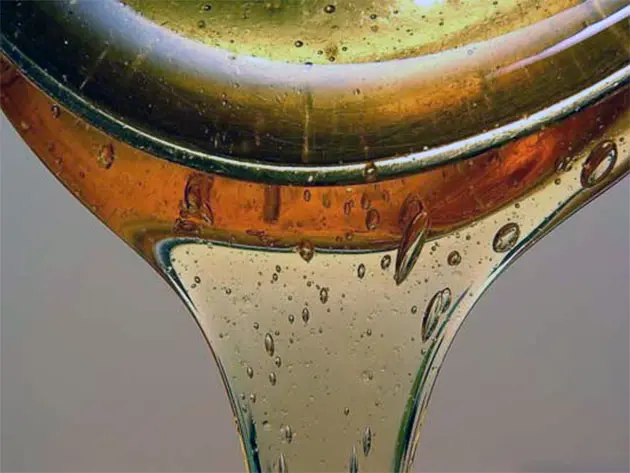
Honey captures the fresh aromas of spring and the warmth of summer. Its flavor was prized long before sugar became popular. Avicenna recommended honey to people who wanted a long, vigorous life, suggesting it as a remedy for insomnia. Hippocrates, the father of medicine, believed honey drinks could soothe a cough. Ancient Slavic medical texts are full of recipes for honey-based remedies for wound healing, colds, and rheumatism.
Nature seems to have deliberately packed honey with more than seventy valuable nutrients. It contains simple sugars (glucose and fructose), proteins, vitamins, and a wide range of minerals. Honey also includes enzymes, certain hormones, and organic acids — such as tartaric, citric, malic, lactic, and oxalic acids — which help give it its unique flavor.
Renowned Bulgarian scientist A. Mladenov advised, “Less medicine and candy, more pure honey — and many ailments will pass you by.” We agree with his perspective.
Before starting any honey-based treatment, check for allergic reactions. Symptoms can include skin rashes, itching, or stomach upset. Do not give honey to infants under one year; for older children, start with half a teaspoon. Those with diabetes, consult a doctor before consuming honey. Do not exceed 70–80 grams (about 2.5–2.8 ounces) of honey per day, especially if sugar and sweets are already excluded from the diet, since excessive honey can strain the pancreas. Remember that honey is calorie-dense if you are prone to weight gain.
Honey is absorbed into the bloodstream and tissues quickly, restoring energy levels more effectively than table sugar. It is especially helpful for people who are tired, weakened, or recovering from illness.
For colds, mix honey with hot milk, or combine honey and horseradish juice in a 1:1 ratio; or mix honey, horseradish juice, and onion juice in a 1:1:1 ratio. Take one teaspoon three times a day before meals. For the flu, make a honey‑garlic paste by mashing garlic cloves and mixing them with linden honey (1:1). Take one tablespoon before bed with warm boiled water.
Honey nourishes the heart muscle, helps dilate the coronary vessels, and improves circulation. For hypertension, mix honey and cranberry juice (1:1) and take one tablespoon three times a day before meals. For angina, mix 100 grams of aloe juice, 300 grams of honey, 500 grams of crushed walnuts, and the juice of 1–2 lemons. Take one tablespoon three times a day, half an hour before meals.
For insomnia, drink a solution of honey and lemon juice (one tablespoon each in a glass of water), or drink honey mixed into kefir before bed.
For liver or stomach complaints, honey can ease pain, nausea, and heartburn. For high stomach acidity, drink a warm honey solution (one tablespoon in a glass of water) slowly about 1.5 hours before meals; for low acidity, drink it quickly 5–10 minutes before meals. Regular consumption of honey can help normalize gastrointestinal function.
Honey pairs well with juices, fresh vegetables and fruits, as well as dairy products, jellies, compotes, and cereals.
Never heat honey over an open flame: at temperatures above 140°F (60°C), hormones, vitamins, and enzymes are destroyed. Instead, melt crystallized honey in a water bath.
Honey penetrates the skin well, nourishing skin and muscles with glucose and offering antibacterial properties. To rejuvenate and soften skin, wash your face with a solution of half a tablespoon of honey in a glass of warm boiled water. Masks made from pure honey or honey mixtures are also beneficial. For example, a mask of honey, egg yolk, and sour cream (1:1:1) is popular. Another recipe uses 100 grams of honey, 25 grams of alcohol, and 25 grams of water. Place a thin layer of cotton over the face, apply the mask with a cotton swab, and rinse with room‑temperature water after 20 minutes.
Store this mixture in the refrigerator for several days. Mix honey for masks with egg yolk and glycerin, with mashed potato and yolk, or with egg white. If you have dry skin: wash your face with warm water, apply oil, place a smooth layer of cotton over it, then apply a mixture of 30 grams of wheat flour, 30 grams of water, and 50 grams of honey. Leave the mask on for 20–25 minutes, apply a hot compress, then rinse your face with cold water.
We recommend honey masks after the age of forty, as they help skin retain moisture and can delay the appearance of wrinkles.