
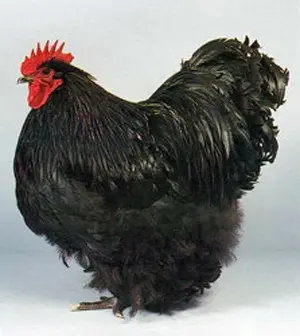
These crested chickens were under special observation and received an enhanced diet—just like true donors! From time to time, the chickens had their blood drawn and transfused into other chickens.
Why? Because it was a fascinating process.
In 1925, the country imported Leghorn chickens that weighed about 1.8 kilograms (approximately 4 pounds). No matter how much breeders fed these birds, they wouldn’t gain weight. But poultry breeders weren’t satisfied. For three decades, they selected birds that were only a few grams heavier than their flockmates. They achieved some success—Leghorns began to weigh just over 2 kilograms (about 4.4 pounds).
With the help of blood transfusions, breeders were able to speed up the breed’s improvement and even create an entirely new one. Receiving blood from other birds made the chickens grow much faster.
Similar work happened in France with ducks. Researchers in France extracted specific substances from the blood of one duck breed and introduced them into birds of another breed.
Newspapers at the time said this was as significant for humanity as splitting the atom.