
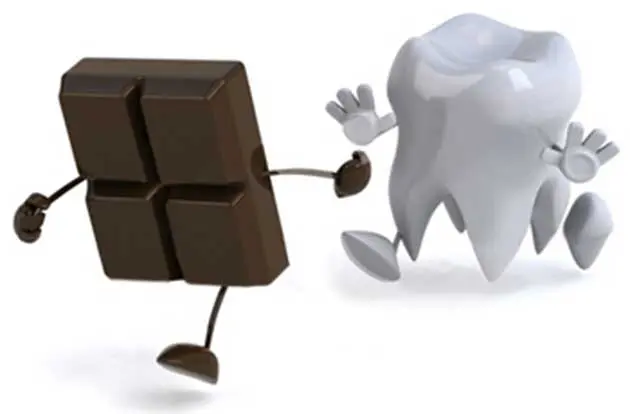
In Pittsburgh, Dr. Milton Nicholson once worked — a forward-thinking professor and dentist. He focused primarily on preventing dental disease. He and I often lamented the difficulty of convincing parents to keep candies, cookies, pastries, and other sweets away from children for as long as possible.
Of course, it’s impossible to completely shield a child from sweets forever. Little ones grow up, visit friends, and walk past candy stores on their way to school. Inevitably, parents end up buying them a treat.
What worried us most? Sugar is one of the main culprits behind tooth decay. Research has shown that lactic acid, produced when oral bacteria ferment sugar, destroys tooth enamel. How long the acid stays in contact with the teeth matters — prolonged exposure causes the most damage.
Sticky cookies, buttery bagels, and other foods that cling to teeth can get stuck between teeth, which harms dental health. It’s especially damaging when a child is constantly gnawing on something. However, certain hard foods like meat, fresh fruits, and vegetables can help clean the teeth to some extent. Drink a glass of water or milk after meals to help rinse the mouth. Ideally, brush teeth after every meal and before bedtime.
I believe that most modern parents know at least the basics of how to care for their children’s teeth. Still, many don’t pay serious attention to this issue, even though they are diligent about other aspects of their children’s health. They call the doctor promptly, make sure their child gets necessary vaccinations, and remember to give them vitamins. Unfortunately, they often neglect to monitor their children’s dental hygiene.
Perhaps the most likely explanation is that a strong link forms in most parents’ minds between sweets and showing love. “You finished your whole lunch, so you can have the biggest piece of cake…” “You behaved while I was at the store, so you can have a candy…” “Mom is proud of how you acted at the dentist, so we’ll definitely buy ice cream on the way home.”
Even doctors might reward a child with candy for good behavior in their office.
That association — sweets as a way to express affection — is often set in childhood and solidifies with age. Young people give boxes of chocolates to their girlfriends on holidays, and adults, like children, enjoy indulging in chocolate. When we want to express affection, we use words like “sweet” or “honey.”
It’s only natural that when those young people have their own children, they find it hard to break away from these ingrained habits. They express affection, respect, and love the same way — by offering sweets.
People hear warnings from doctors or read about the harmful effects of sweets on teeth, yet for most those warnings remain just words and don’t shake long-standing beliefs.
In other words, my colleagues and I face big challenges when trying to curb the flow of sweets that mothers give their children. We feel like hunters trying to stop a herd of elephants with only a flimsy rifle.
From the earliest age, it’s healthier to offer children baked or fresh fruits for dessert. Keep children unaware of candies, pastries, and cookies for as long as possible. If they do discover them, give treats sparingly, and avoid keeping sweets at home regularly.
We advise purchasing confectionery items only on very rare occasions.
Once again, I reiterate that the foods most beneficial for teeth are fruits, vegetables, and fruit or vegetable juices.