
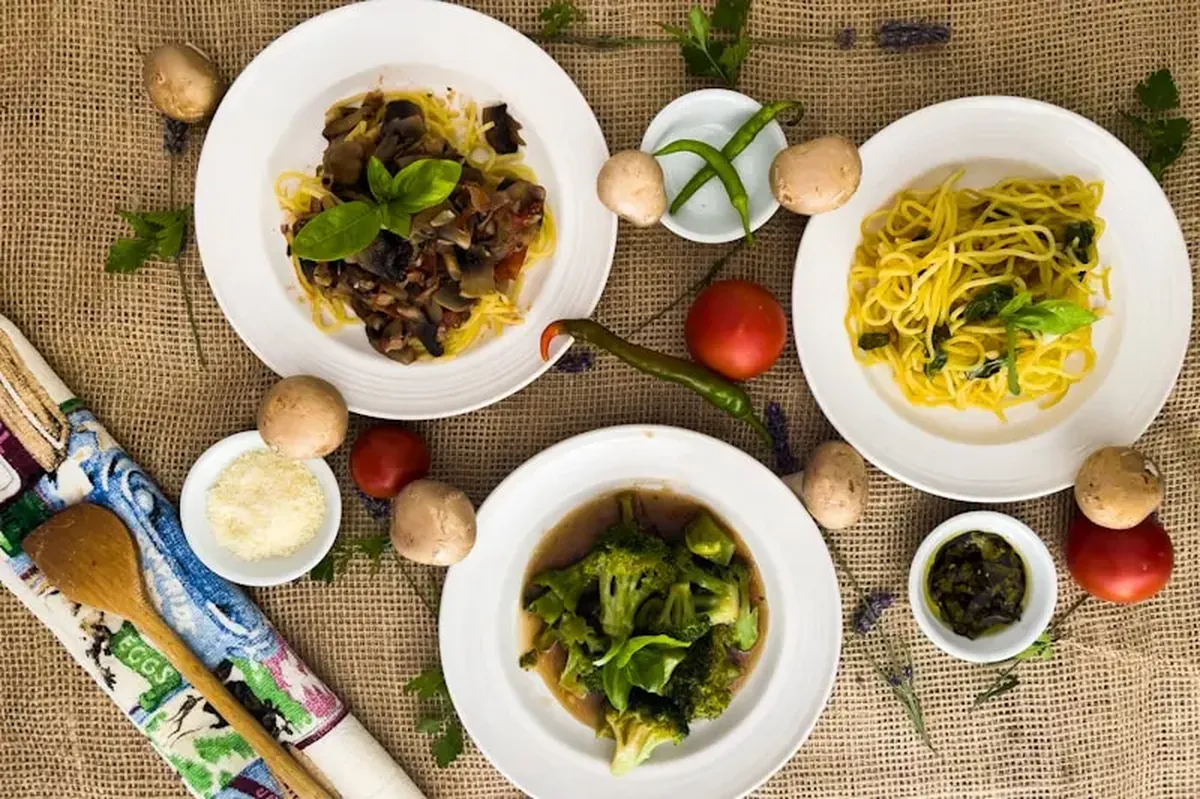
Italy is a country where each region boasts its own rich history, yet it only became a unified state relatively recently. This likely contributes to the incredible diversity found in its national cuisine. Today, Italian cuisine is considered one of the best in the world.
In the northern regions, livestock farming has long been established, making meat, milk, and butter staples of the local diet. This is where world-famous lasagna, aromatic cheeses, hearty soups, and gelato originated. In the south, characterized by mountainous landscapes and fewer pastures, the mild climate creates ideal conditions for growing vegetables and fruits. Various herbs flourish there, and Italians turn them into seasonings. Southern Italy has gifted the world with risotto, sauces, and Italian salads.
The question of Italian pasta remains a topic of debate. Although pasta is now regarded as a quintessential Italian dish, both China and North Africa lay claim to its origins. Italians assert that they were the first to cook a flour mixture in salted water. Regardless, the pasta we know today was first made in Italy, where cooks cut the dough into strips, sprinkled it with cheese, and mixed it with tomatoes. This is how the first pasta was born. Pasta includes macaroni, small dumplings called gnocchi, spaghetti, tagliatelle (a type of noodle), and many other dishes, all typically served with tomato sauces. It is said that an Italian woman cannot marry until she has mastered around 15 pasta recipes. Even though pasta is a flour-based dish, it is made from a special type of coarse flour that is considered healthy and does not harm one’s figure. So it’s safe to say that Italian cuisine is among the healthiest in the world.
Meat is not a particularly popular ingredient in Italy. It is often replaced by Parmesan cheese—a dry cheese aged for about two years—or the famous Italian blue cheese. In some poorer villages, you can find aromatic pork schnitzel seasoned with salt, pepper, and other spices, mixed with chopped onions, and fried to perfection. Tomatoes are sautéed separately and served on top of the schnitzel, accompanied by fluffy rice.
When it comes to seafood, the most delicious dish is considered to be fritto di pesce—fish fried in oil. Italian cuisine is also renowned for its soups (by the way, the word “soup” has Italian roots). Among the most unusual soups are Pavesi soup and Neapolitan tripe soup. Pavesi is made from toasted white bread and eggs, which are then submerged in broth and topped with grated cheese. Neapolitan tripe soup is made from offal, vegetables, and cheese—a truly flavorful and hearty dish.
What would Italian cuisine be without its fragrant herbs? Italians use basil and saffron more frequently than cooks in many other countries. Rosemary, oregano, marjoram, and sage are also widely used. Garlic is indispensable. Parsley is used less often, as it is considered to lack a strong aroma. Sorrel leaves are also used, with fresh leaves added to salads and soups. Cut sorrel only with a stainless steel knife and store it in glass or ceramic containers, because the greens oxidize quickly. Italian chefs also use a herb called borage (also known as cucumber herb). As the name suggests, borage has a cucumber-like flavor and can be added to salads and omelets or eaten on its own, like spinach or sorrel. There are two varieties of savory: summer savory, which has a delicate flavor, and winter savory, which is more robust. Both are used in meat dishes. Fennel seeds are commonly used in sweet dishes, while Italians use poppy seeds for homemade bread. Poppy seeds are not used in pastries.
And the essential ingredient without which no Italian dish can be prepared is olive oil. It is used everywhere. Olive oil is the base for pizza dough, various sauces and marinades, for frying fish and meat, and for dressing salads. The most prized variety is extra virgin olive oil, made from the first cold pressing.