
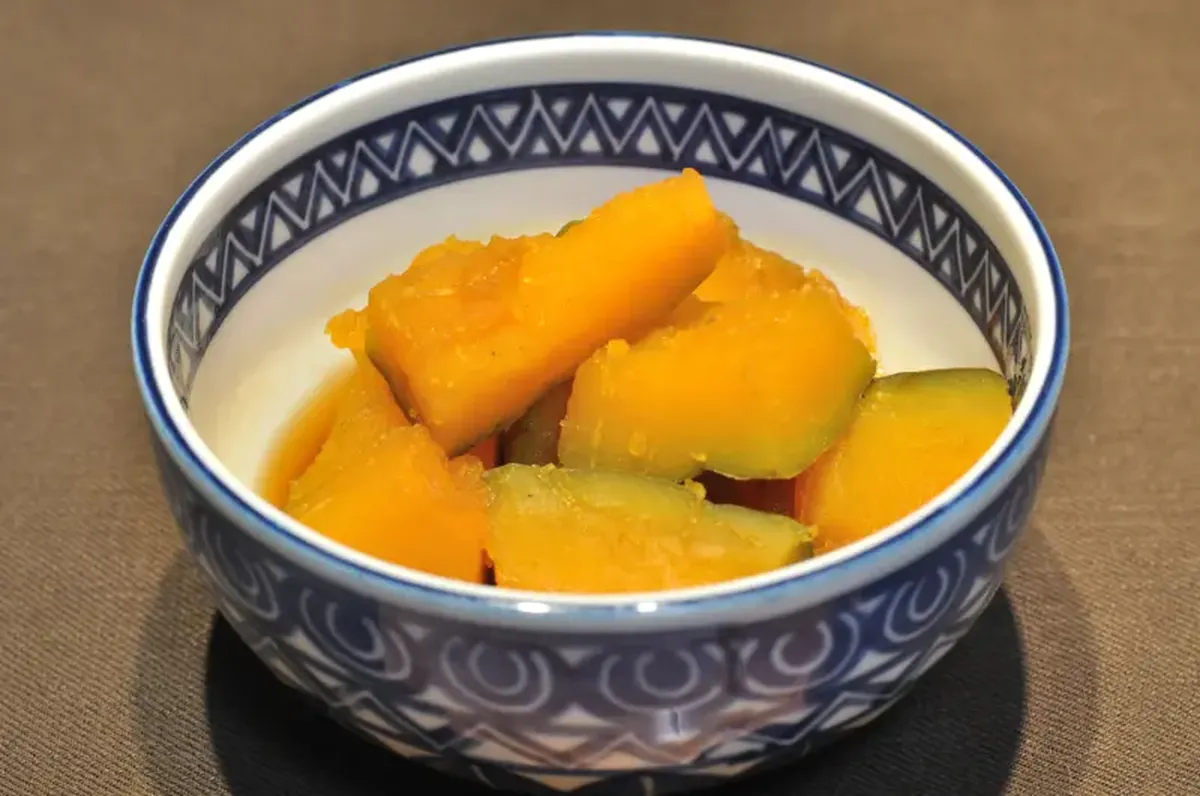
Latvian National Cuisine: Pumpkin Dishes
Latvian cuisine includes several pumpkin dishes. Here are two traditional preparations:
Pickled Pumpkin
Peel the pumpkin and remove the seeds and stringy flesh. Cut the pumpkin into cubes about 0.6 to 0.8 inches (15–20 mm) per side. Use the inner flesh for soups or porridge, and reserve the firmer outer flesh for canning. Use a single variety of pumpkin for the most consistent results.
Blanch the cubed pumpkin in boiling water for 3 to 4 minutes, then pack the cubes into sterilized jars and cover the pumpkin with hot brine. Prepare the brine with the following measurements for every 10 liters of liquid: 4.5 grams cinnamon, 1.8 grams cloves, 0.2 grams allspice, 8–10 tablespoons 9% vinegar (or more to taste), and up to 1 kilogram sugar (or to taste). Maintain a pumpkin-to-brine ratio of 6:4 — for every 6 kilograms of pumpkin, use 4 liters of brine. Seal the jars immediately after filling them with the hot brine. Once sealed with metal lids, turn the jars upside down.
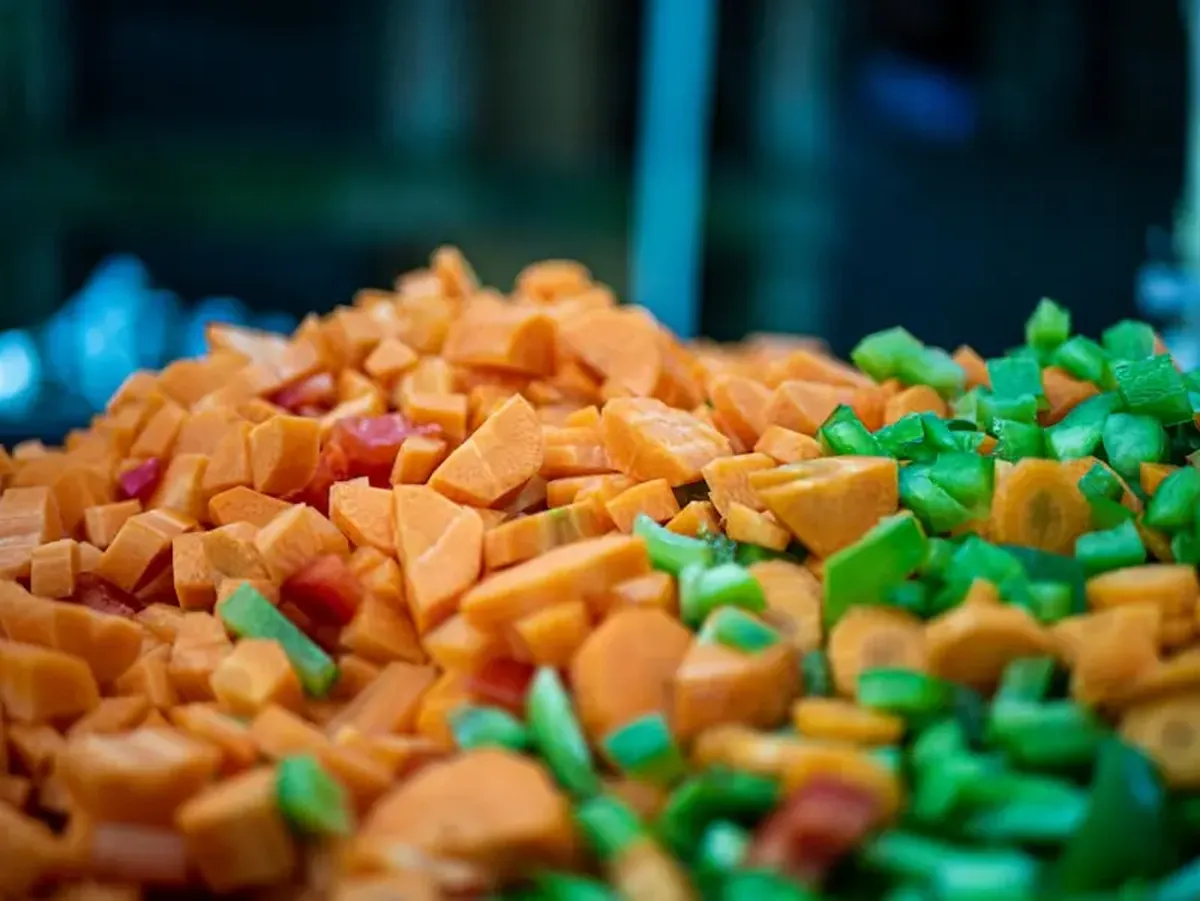
Pumpkin Salad
Peel the pumpkin and cut it into uniform wedges. Place the wedges in a deep dish and cover them with table vinegar (4.4% acidity) overnight. Soaking the wedges in vinegar helps them keep their firmness.
The next day, drain the vinegar, then add fresh 4.4% vinegar (to taste), a stick of cinnamon, 8 to 10 cloves, lemon peel, and sugar to taste. Bring the mixture to a boil. For 2 kilograms of pumpkin, use about 1.5 liters of vinegar.
Work in small batches: immerse the pumpkin wedges in the boiling vinegar solution and simmer gently until the pieces become translucent. Cook them in a wide pot in small portions for best results. Pack the translucent wedges into glass jars and pour the filtered cooking liquid over them. Allow the jars to cool, then cover them with parchment paper and tie them with string.
Store the jars in a cool, dry place. This salad makes a delightful accompaniment to poultry, stews, or roasted meats.