
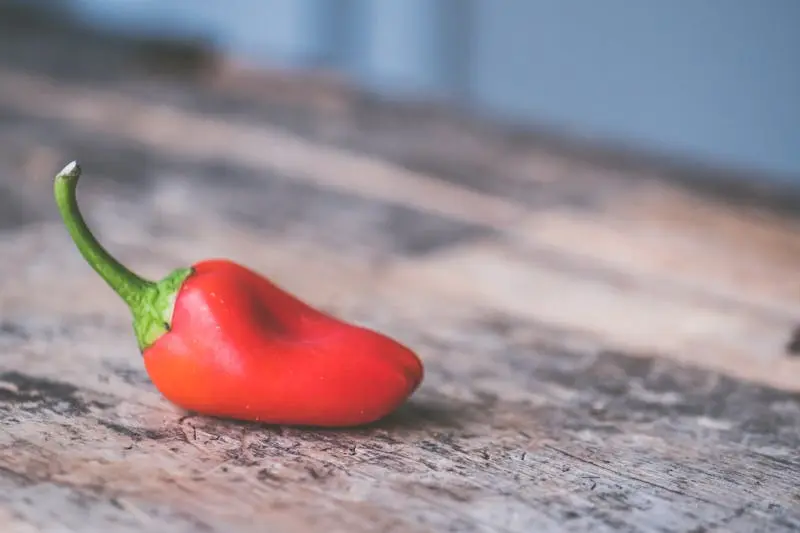
Before it made its way to European tables, pepper had an adventurous journey. Ships sank in storms and fell to pirate attacks, and many lives were lost transporting pepper across seas and deserts. Because of that danger and expense, people counted pepper grain by grain, and it often served as a form of currency in trade. Merchants used pepper to buy land, homes, and valuable goods, and they were often called “bags of pepper” as a sign of wealth.
The first European pepper lovers had no idea the famous spice had more than 900 relatives thriving across the tropical belt, especially in Southeast Asia and tropical America. These relatives can be herbaceous or shrubby, and many are vines that cling with their roots. Pepper shows up in many products and in traditional Eastern medicine: betel pepper features in a chewing mixture used across several Eastern cultures, while long pepper (Piper longum) has been used to make sticks, umbrella handles, and other items.
However, the most culturally significant variety is black pepper (Piper nigrum), native to the Indian tropics. This perennial shrub has a creeping stem that can reach up to 26 feet (8 meters). Its heart-shaped leaves are dark green and slightly wrinkled, and its small white flowers form tight clusters. The fruits are juicy drupes that start red and eventually turn yellow; the spice we know comes from the dried unripe fruits. Lower-grade black pepper is used to produce essential oil, which shows up in liqueurs and in food preservation. From the fruits chemists extract piperonal, used in perfumery and in medicine for its stimulating, fever-reducing, toning, and irritant effects. The fruits contain about 1–1.5% essential oil and 5–9% of the alkaloid piperine, which gives pepper its spicy kick.
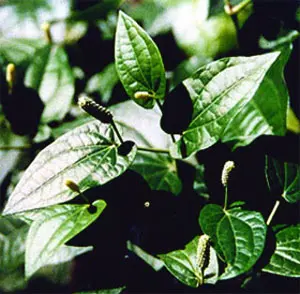
Members of the pepper genus (Piper) are often grown in greenhouses and homes as decorative plants, including forest pepper and long pepper. In our country, members of the pepper family are treated as warm greenhouse and house plants. Propagate them by cuttings and mist them frequently in summer. Plant or repot in spring in a substrate made of leafy soil, greenhouse soil, peat, and sand (2:2:1:1). Avoid bright, direct lighting.
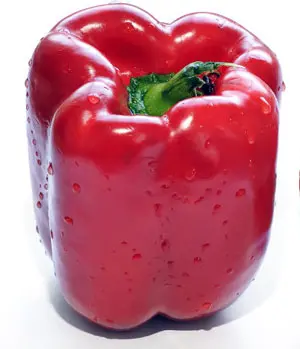
Black pepper has “doppelgängers” that people often think are its close relatives because of similar bitterness and aroma. That includes red or chili pepper, which belongs to a completely different family — the nightshades — and so is actually a relative of tomatoes and potatoes. Those plants are primarily herbaceous annuals with simple leaves and small white flowers. Red pepper is grown for its fruits, which are popular vegetables rich in vitamin C. In some countries, like Bulgaria, sweet pepper ranks among the leading vegetable crops and is a significant export. In the southern regions of our country, growers cultivate sweet pepper in open fields, especially high-yield varieties such as Rotunda, Adyghe, and Astrakhan. Sweet pepper needs bright sunlight and steady watering. Propagate it from seed, and plant seedlings in prepared beds after the last frost, spacing them about 16 inches (40 cm) apart.
Among the members of the Capsicum genus (the group that includes red peppers), many decorative species are grown indoors.
The miniature, brightly colored fruits of some Capsicum varieties pop nicely against lush green leaves. Grow this pepper as a perennial indoors, but renew plants annually from seed for the best results. Sow seeds of decorative pepper in March at a depth of 0.2–0.4 inches (0.5–1 cm) in small pots filled with nutrient-rich, loose soil. Expect seedlings in 10–15 days. Transplant seedlings when they become crowded. Feed the plants every 10–15 days during the growing season with a solution of mineral fertilizer. Repot the plants in fresh soil each spring to maintain a perennial culture. Provide winter lighting with regular lamps (75–100 watts), placing them 27–31 inches (70–80 cm) above the plant tops. Under these conditions, the plants will bloom and bear fruit abundantly for a long time. The fruits of decorative indoor pepper are edible but very bitter and used as a spice.