
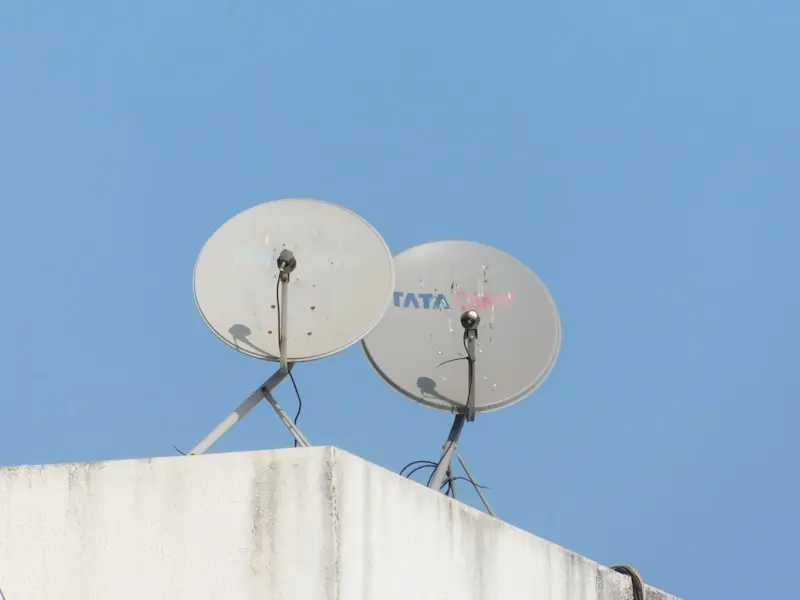
Long-distance TV reception might seem like a lucky fluke for hobbyists, but specialists can deliberately receive TV images transmitted from up to 1,200 miles (about 2,000 kilometers) away.
You might be curious about what “from time to time” means and how often receptions can occur. It’s not driven by solar activity, weather, or other natural whims; it’s controlled by human action. Specialists launch a rocket to about 62 miles (100 kilometers), release an ammonia cloud into the stratosphere, and aim a television transmitter at the cloud, enabling receivers hundreds of miles away to pick up the broadcast.
The ammonia cloud remains in the stratosphere for about 20 minutes before dissipating, which cuts off the reception.
In the future, increasing rocket payloads and producing denser clouds could lengthen these broadcasts, letting people watch events from truly distant places.