
In 1929 the world watched in alarm when the Italian explorer Nobile vanished after taking off in a dirigible toward the North Pole. Norwegian polar explorer Roald Amundsen rushed to help, but his seaplane also disappeared without a trace in the icy north.
The Soviet government decided to send the largest icebreaker of the time, the “Krasin,” to assist the stranded explorers. But the ship couldn’t set sail without repairs; several sheets of armor plating needed to be replaced because of damage from previous voyages. The work could take weeks, and there was no time to waste—lives were at stake. The repair crew received a government mandate: prepare the icebreaker for its mission in just 54 hours.
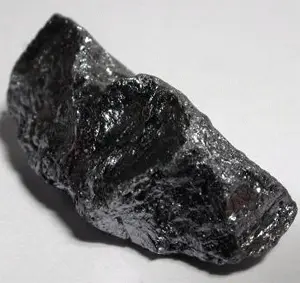
What to do? The strongest chisels kept breaking as the crew struggled to remove the rivets from the battered armor plates. No matter how many books engineer Merkulov reviewed, he couldn’t find anything that would speed up the repairs. Surprisingly, a brief biography of Réaumur came to the rescue. It described how the scientist had annealed cast iron in iron scale to make it softer and suitable for manufacturing. The structure of the cast iron changed because of the silicon in the scale.
Immediately, the crew made metal boxes. They were filled with heated sand, and the crew applied these “sand poultices” to the rivets that needed to be removed. The silicon-rich metal became softer and was much easier to cut through.
The “Krasin” set sail after just 48 hours, saving the lives of Nobile and the other explorers.