
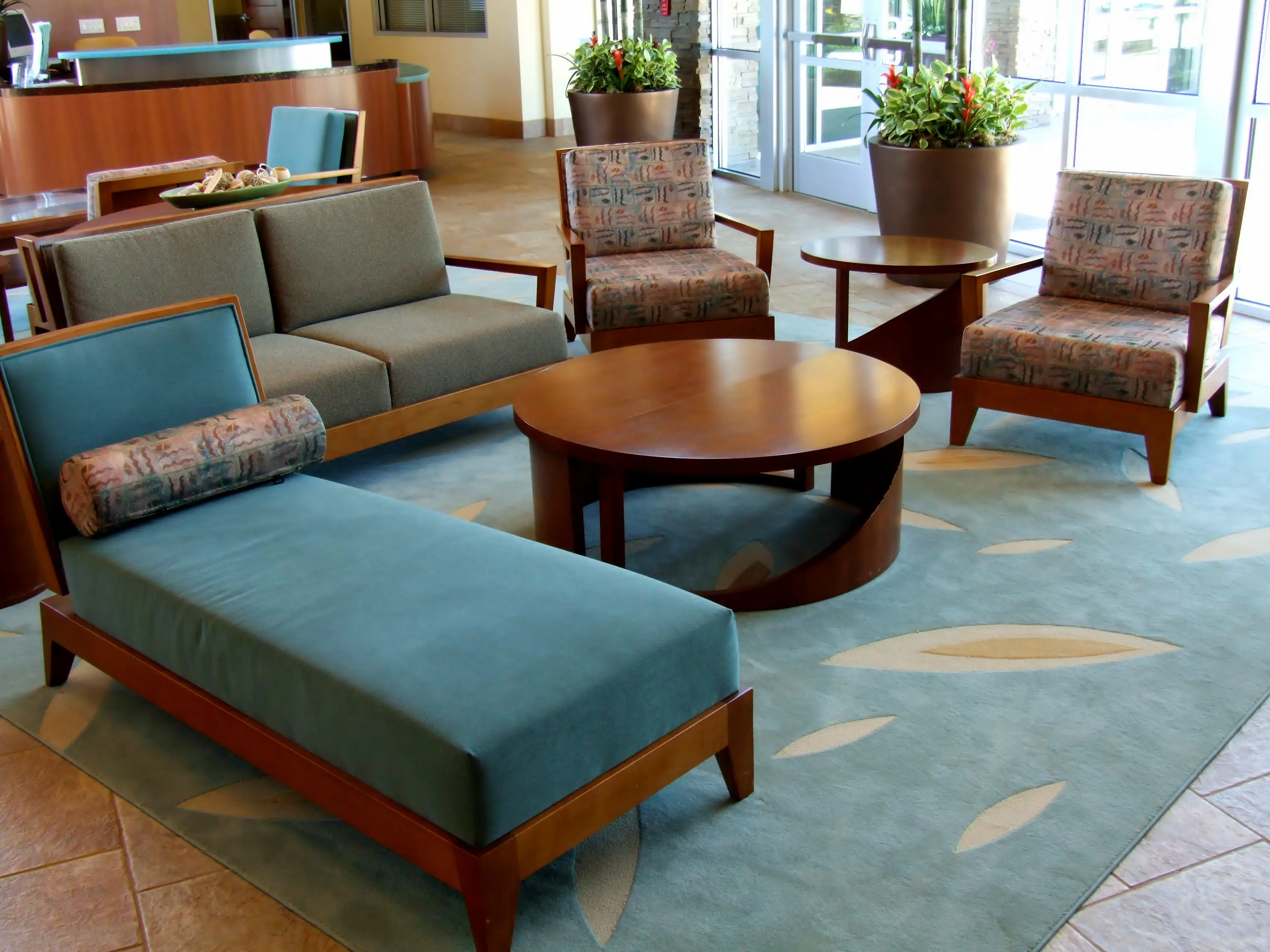
To feel comfortable in your apartment, organize the space so it’s both tasteful and practical. That doesn’t mean filling your home with expensive furniture or covering every surface with rugs and paintings. You can refresh a room with affordable drapes or curtains, and instead of traditional artwork consider hanging prints, engravings, or shelves with local ceramics or porcelain. Above all, keep the apartment clean and orderly.
A home looks more attractive when you pick the right colors and patterns for the walls.
Wall Painting. The most economical option is simple wall paint. However, that kind of paint isn’t ideal for kitchens and bathrooms; use oil-based paint or tiles in those areas. Wallpaper is also inexpensive, easy to apply, and doesn’t require much time or effort, making a living space feel cozier.
Rooms painted in light colors tend to look larger. If a room gets plenty of sunlight, light wallpaper is less likely to fade. Recommended shades include beige, light blue, light green, and warm golden tones.
For rooms with high ceilings, paint should reach the top edge of the window frame, while in rooms with lower ceilings it should extend all the way to the ceiling. Choose subtle wallpaper and small patterns to create a sense of calm.
In the kitchen, consider painting the walls with blue oil-based paint. Use light wallpaper in golden or beige tones for the hallway.
Lighting. Proper lighting affects productivity, well-being, and eye health. It shouldn’t be too harsh, but it must be bright enough to read or do tasks without straining your eyes.
Diffuse light across the room flattens the space, while areas that are partially lit or shaded add depth to objects. Avoid sharp transitions from bright light to deep shadow or to half-shadow.
Light fixtures that give harsh light should be slightly shaded. Use frosted or milky bulbs.
Types of lighting: a — directed light; b — diffuse light; c — reflected light.
The intensity of lighting depends on bulb brightness and on the colors of the walls, ceiling, and furniture. Light surfaces reflect more light than dark ones. Surfaces with reflectivity over 50% are considered light; those reflecting less than 20% are dark.
When choosing paint or wallpaper colors, or when buying curtains and drapes, consult a color chart.
Room Lighting. In room lighting, light can be directed, diffuse, semi-directed, or reflected.
Directed light primarily illuminates a specific area and creates sharp shadows. In an apartment, this light works best when the source is hung high.
Diffuse light spreads in all directions, producing soft shadows and avoiding glare. Use this type of lighting in living spaces and common areas. Frosted bulbs or translucent shades work well for diffuse light.
Semi-directed light softly illuminates the lower part of the room while lighting the ceiling, which then reflects light throughout the space. This creates soft shadows without glare.
Reflected light sends beams onto the ceiling, which then disperses the light throughout the room. Use it where very soft lighting is desired.
A chandelier or lamp with a shade is attached to the ceiling socket. In utility rooms, a lamp with a glass shade (a globe) is attached to the ceiling socket. Such fixtures provide mixed lighting—partly directed and partly diffuse—making them suitable for small to medium rooms. In larger spaces, fixtures that direct reflected light at the ceiling are preferable, because the ceiling then spreads light throughout the room. This approach is less economical, since it usually requires a stronger bulb or multiple bulbs.
For living rooms, chandeliers or lamps with shades are most common. These fixtures provide a mix of directed and reflected light. Many chandeliers have switches that let you turn bulbs on in groups (two, three, or five), which is convenient and economical for everyday use.
Shade colors should not be dark, and patterned shades are best avoided. Avoid shades with fringes, which absorb a lot of light and collect dust.
Hang chandeliers and lamps at a height that keeps the light from shining directly into your eyes. A desk lamp should be positioned so the light falls on your work.
In the kitchen, use strong, diffuse lighting. Glass shades, domes, globes, or ceiling fixtures work well for this purpose.
The hallway is best lit with wall-mounted lamps—sconces. If there is a mirror in the hallway, place the sconce above the mirror.
A corner of the room is often set aside for reading, with chairs and a coffee table. Light the reading nook with a floor lamp.