
 Anxiety can be truly exhausting. However, feelings of worry, , and (whether mild or intense) can be managed. When an anxiety attack or any other type of worry strikes, it’s essential to use techniques that can help you return to a state of comfort.
Here are eight scientifically-backed methods to reduce feelings of anxiety in both the short and long term.
Short-Term Anxiety Reduction Techniques
Distance Yourself from Your Worries
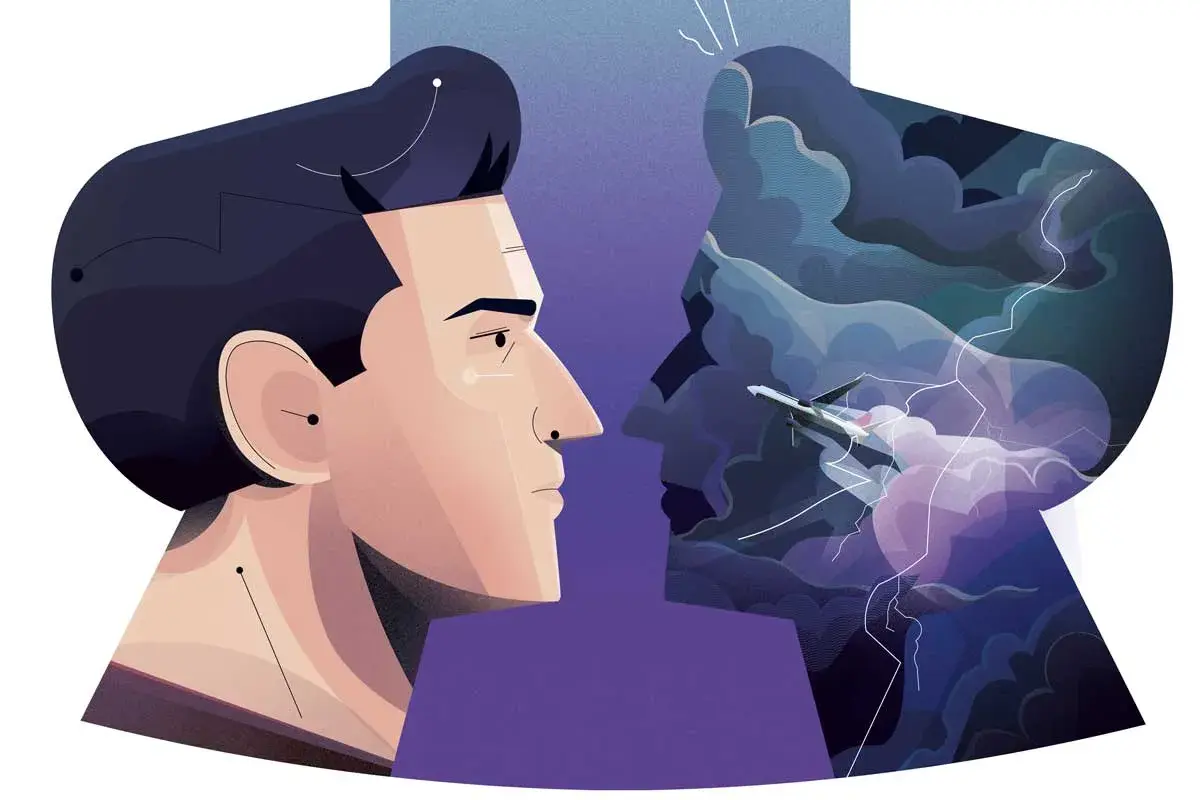
Anxiety attacks often begin with catastrophic thoughts about an event. For instance, you might imagine yourself struggling to find the right words during a job interview or envision the consequences of a plane malfunction.
Try to distance yourself from these thoughts to recognize that they are not accurate and do not have to come true. Calmly weigh the arguments for why you might lose your ability to speak during the interview, and then articulate the reasons why that won’t happen. Recall past instances when you successfully handled similar situations.
Ground Yourself
When your mind is flooded with frightening thoughts about what might happen, your body reacts accordingly. The sympathetic nervous system kicks in, preparing you for a threat: your breathing quickens, and adrenaline surges into your muscles, causing trembling and feelings of weakness.
A great way to soften this reaction is to engage in exercises that activate the parasympathetic nervous system, which counteracts the sympathetic nervous system by lowering heart rate and and slowing down your breathing.
One popular method is to pause and name five things you can see; four things you can feel; three things you can hear; two things you can smell; and one thing you can taste.
Another technique that activates the calming parasympathetic nervous system involves standing with your feet shoulder-width apart and leaning forward as if you’re about to touch your toes (it doesn’t matter how far you can reach), then holding that position for a minute.
This exercise sends a powerful signal to your body that you are safe and can relax.
Adjust Your Breathing
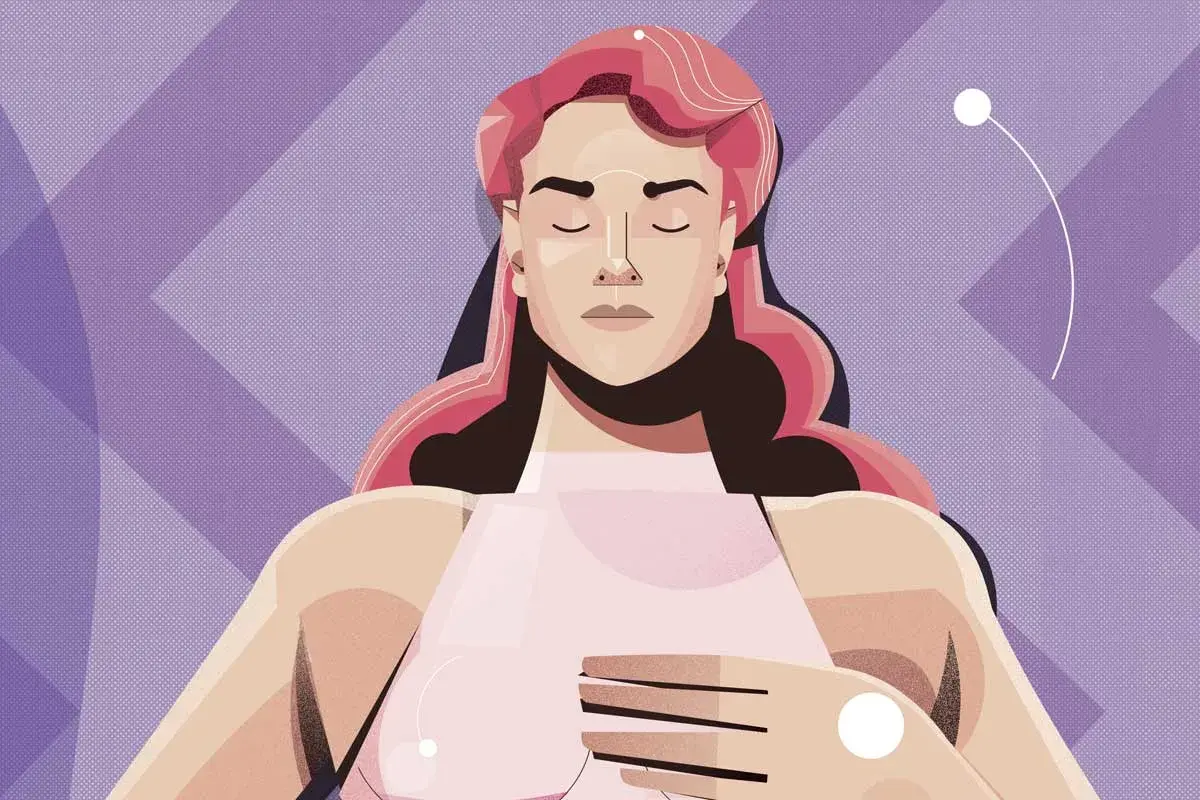
There are many different exercises that can help with this. One of the simplest and most effective is “”: you inhale, pause, and exhale for the same amount of time.
To do this, sit in a comfortable position and focus on your breathing. Inhale for four seconds. Pause for four seconds. Then exhale for four seconds. Try to repeat this for at least 30 seconds.
This exercise will help you regain control over the rate and depth of your breathing.
Schedule a “Worry Window”
If you notice that your worries keep returning even after you’ve calmed your and body, it can create a feeling of being stuck in a loop. Trying to completely banish these worries from your mind is unlikely to work.
The best solution is to schedule a “worry window”: a specific period of time, about half an hour (preferably not too close to bedtime), when you allow your mind to express its worries.
At other times, when anxious thoughts arise, tell yourself you’ll address them later. This will help you break free from the cycle of constant worry and return to your life.
Long-Term Anxiety Reduction Techniques
Face Your Fears
The desire to avoid situations that trigger your anxiety is entirely natural; however, in the long run, this is likely to only intensify your unease.
When you avoid situations that cause distress, you not only risk missing out on great opportunities but also never test your worst fears against reality. For example, going on a date that doesn’t turn into the disaster you anticipated.
The state of confronting your fears and discovering that the worst doesn’t happen is what psychologists call “expectation violation.” By undermining your negative expectations in this way, you gradually teach your brain to worry less, according to BBC Science Focus.
Start gradually. Choose tasks that cause you mild anxiety and try to tackle them.
Exercise Regularly
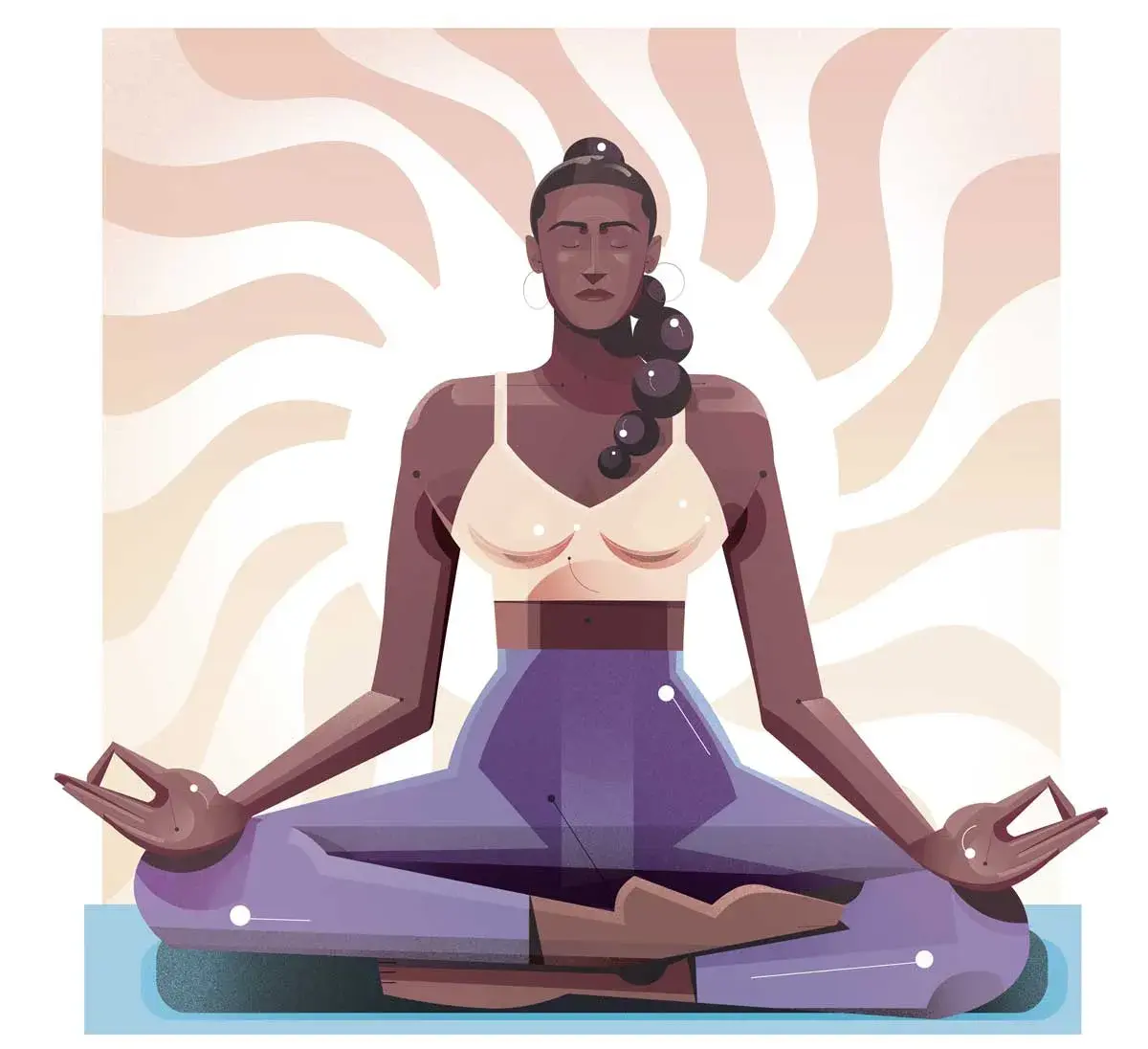
Research has shown that can improve mood and prevent depression. People who lead more active lifestyles develop the ability to manage neuroticism. Regular physical activity helps prevent the onset of anxiety disorders.
There are many reasons why exercise is so beneficial. Among them are distraction, social interaction, and improved physical health. Consistent exercise breaks the well-known link between poor health and anxiety.
Don’t Overdo Caffeine
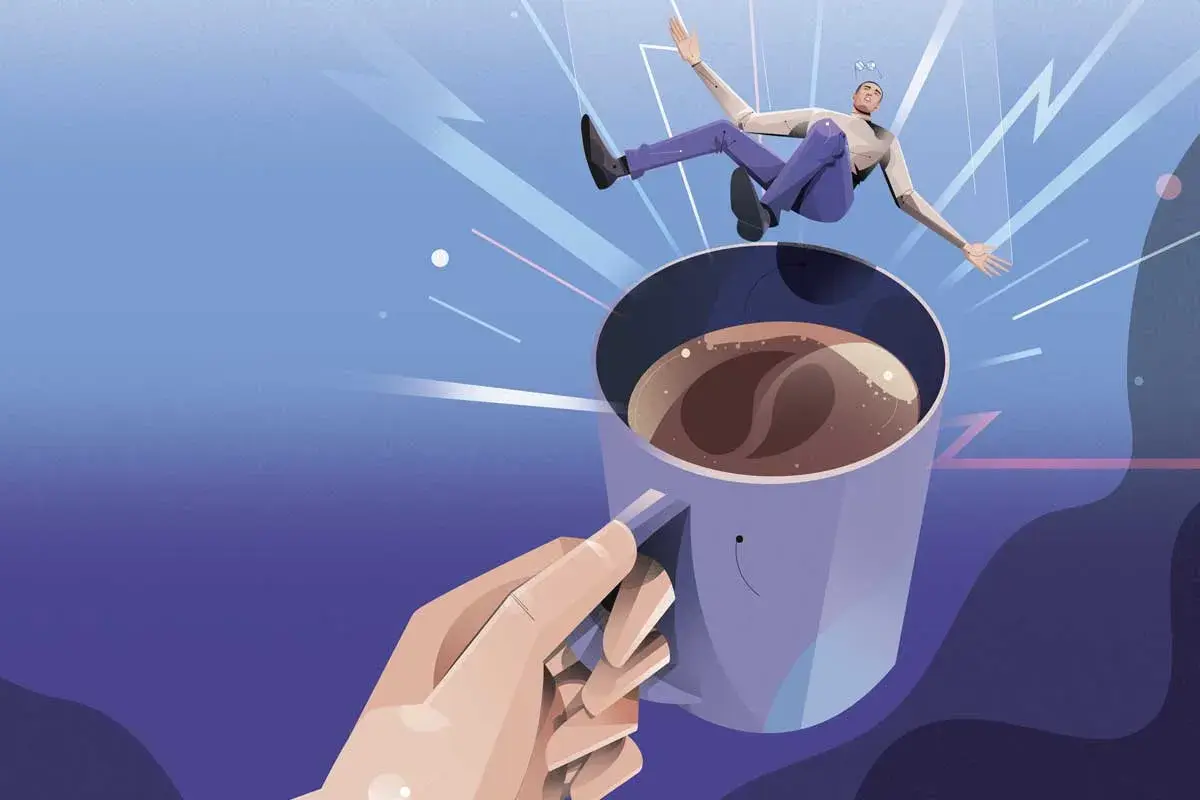
is a psycho-stimulant that affects brain function. While caffeine helps us feel alert, this property is far from desirable if you are prone to anxiety.
If you are an anxious person and consume excessive amounts of caffeine, it’s quite possible that it could contribute to your problems. Psychiatrists are even studying what’s known as “caffeine-induced anxiety disorder.”
Reconsider Your Long-Term Relationship with Anxiety
If you come to believe that anxiety is a fundamental, permanent part of your personality, then each time you encounter situations that trigger anxiety or fear, you will try to distance yourself from them as quickly as possible.
Conversely, if you view anxiety as a temporary state that can affect anyone at any moment, you will find the motivation to endure and cope with discomfort.
Therefore, take a moment to analyze your attitude toward anxiety. And remember, it is something you can control.
Photo: Joe Waldron