
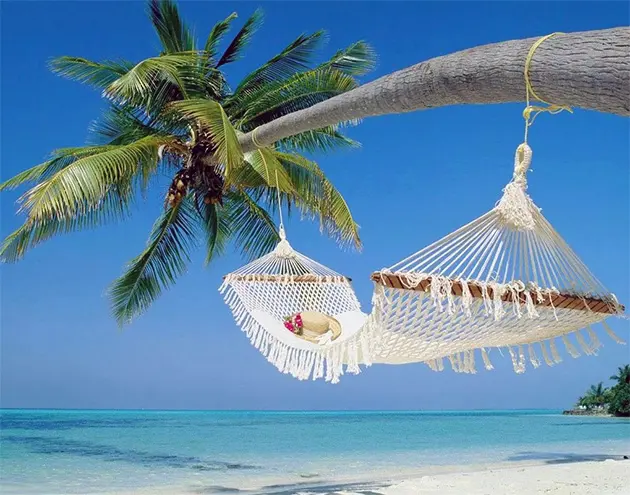
Daily rest matters. It comes from a proper balance of work and breaks. A consistent daily routine is key to health, productivity, and even longevity. That routine gives you time for outdoor walks, exercise, reading, theater, movies, and other forms of active and passive relaxation. Everyone has their own way of unwinding. As N.G. Chernyshevsky put it, “…rest is the most personal matter… a person’s character is most expressed in the type of rest that is easiest and most enjoyable for them.” But leisure activities should differ from the work that tires you. Desk workers, for example, do best with light physical tasks in the garden or walks in the fresh air; people who do physical labor benefit from reading, visiting museums, and watching television.
Academician A.A. Bogomolets wrote, “There should be no difference in the lives of intellectual and physical workers. Scientists should not forget about their muscles and circulation, just as it would be extremely harmful for those engaged in physical labor to lose interest in science, art, and creative endeavors.”
Daily rest is complemented by periodic (weekly) breaks. Medical and psychophysiological studies show that a few weeks of annual leave do not erase the fatigue gathered over a year of hard work. That’s why it’s essential to rest systematically throughout the year: every day after work and on weekends. Since two days off per week became common, outdoor relaxation in forests, at summer cottages, or in parks (often with overnight stays) has grown more popular. One- and two-day resorts, boarding houses, and tourist and ski bases have also become much more common.
Outdoor walks (in forests and fields), time by water (swimming and sunbathing), mushroom and berry picking, passive activities in nature (reading, board games), exercise, sports, and visits to historical and architectural sights all boost well-being. Good rest is marked by the fading of workweek fatigue, better productivity, improved sleep, and less irritability.
Tourist hikes are growing in popularity. Tourism is one form of active recreation: extended outdoor time strengthens the body, and the changing scenery and rich natural surroundings help calm and rebuild the nervous system.
Short hiking trips fit well on weekends. Plan the route in advance, including travel time and stops. People who are not physically trained can walk 6–7 miles (10–12 km) in a day; trained hikers can cover 12–18 miles (20–30 km) at an average speed of 2.5–3.1 miles per hour (4–5 km/h) over 5–8 hours.
Hunting can be an exciting, healthful form of active weekend recreation. Hunting often involves a lot of movement — walking, skiing, boating, and so on. The physical exertion strengthens muscles, the heart, and blood vessels, and it improves breathing and metabolism.
Fishing is another beneficial activity, especially for older adults: it involves light physical effort and long periods outdoors.
Making sensible use of free time becomes especially important during vacations. In daily life, free time is usually evenings and is often taken up by chores, child care, or study. On vacation, free time stretches over the whole day, so using it effectively matters.
The quality of rest depends on how much meaning a person assigns to their leisure activities, the intensity with which they engage, and the psychological load those activities create relative to their regular job. If someone spends all their free time doing nothing, boredom and emptiness set in quickly. Poorly organized active or passive rest can harm health. The main goal of rest is to remove fatigue and restore productivity.
How long does recovery take for a tired person? Russian physiologist I.M. Sechenov tested this on himself. Using a device he designed to record muscle activity, Sechenov let his tired arm rest for varying periods. He found that if, during rest of his right arm (fatigued from work), he moved his left arm (which had not been working), the productivity of the right arm recovered faster and more completely. After that kind of rest, the arm could lift a heavier weight. “To my great surprise,” Sechenov wrote, “the most effective method turned out not to be temporary rest of the working arm, but rather a rest, even if shorter, associated with the work of the other arm.”
In other experiments Sechenov showed that work of the legs or other non-fatigued organs also speeds and improves recovery of the tired arm. The explanation is physiological: muscle work excites a specific group of nerve cells in the cerebral cortex. Prolonged work reduces the productivity of those cells, producing a protective inhibition while they recover. That inhibition is relieved more quickly and fully if other areas of the cerebral cortex are excited — for example, by using muscles that were not previously engaged.
Sechenov’s experiments suggest that combating fatigue works best when the tired organ gets complete rest while other, different organs stay active.
Researchers tested leisure organization in several boarding houses on the southern coast of Crimea. They analyzed how vacationers spent their time and grouped them accordingly. One group began the day with morning exercise, took part in sports games, and went hiking; the other preferred passive leisure. The active group showed clear improvements in cardiovascular and central nervous system function; the passive group’s condition remained largely unchanged.
Active rest and long outdoor stays improve well-being not only for young people but also for older vacationers. Relaxing in forests or by water delivers good results.
Older adults are advised to vacation in familiar climates and in smaller-capacity facilities. Studies show that southern resorts tend to be more beneficial for young people, whose bodies adapt more easily to climate changes. In health resorts such as “Adler” and “Pitsunda,” high temperatures combined with high humidity can reduce the benefit of rest for older visitors.
Adolescents also do better in familiar climates: comparisons of summer vacations in the Moscow region and the Black Sea coast of the Caucasus showed that teenagers from central regions cope better in climates they know.
In the Caucasus and on the southern coast of Crimea during summer, people face high air temperatures and intense sun. The body needs time to adapt. In the first days of vacation, avoid excessive sea bathing and sunbathing; keep a gentle routine.
Adaptation to unfamiliar climates rarely happens instantly, even across different geographic zones. Observations in the Carpathians showed that 90% of vacationers arriving from distant regions could not fully adjust to the area’s low atmospheric pressure, high humidity, and other local conditions.
Overall, rest tends to be more effective in familiar climatic conditions. When planning a vacation, consider individual abilities and preferences. Remember that healthy young people usually cope better with unfamiliar climates than older or weakened individuals.
Most people prefer summer vacations. Far fewer take vacations in fall, and very few in winter. That concentration in summer leads to crowded resorts, especially on the Black Sea coast, which can worsen sanitary conditions and increase bacterial contamination of soil and water — reducing the health benefits of the trip. Yet comparative studies show summer and winter vacations can be equally effective. For example, vacationers at a health resort in the Kyiv region in August and February showed similar improvements in nervous, cardiovascular, and muscular function. Winter has its own advantages: skiing, skating, sledding, and sports in indoor gyms and pools.
Many people equate an ideal vacation with swimming in the sea and sunbathing. Crowded beaches, heat, and long lines often don’t deter them. But comfort and quiet can greatly improve the quality of rest. You can enjoy a great vacation any season. Even on cold days, sunbathing is possible on porches made of special glass that transmits ultraviolet rays. Resorts such as Yalta and Pitsunda have pools with heated seawater. Winter mountain vacations can be especially restorative.
A key to outdoor recreation is variety: match activities to the vacationers’ ages and preferences (sports, passive relaxation, fishing, hunting, and so on) and to the trip’s length. Different types of health facilities support different recreational forms.
Health resorts are year-round facilities for adults. Rest there follows a common routine for all vacationers, and stays are scheduled for set timeframes. A health resort usually holds 250–500 people.
Boarding houses serve families and individuals and operate like hotels, providing rooms, meals, and equipment. They can be rural or resort-based, seasonal or year-round, and their capacity ranges from about 500 to over 2,000 people.
Recreation bases are seasonal facilities for weekly and annual vacations for generally healthy workers, employees, and their families.
Motels are year-round or mixed-use facilities for auto tourists, offering high levels of hotel service and technical support for vehicles.
Campgrounds are seasonal sites for auto tourists that provide a simplified range of services.
RVs are seasonal facilities for auto tourists traveling with trailers.
Tent camps are equipped sites in forests or near water for tourist relaxation.
Tourist bases sit along routes, in resort areas, or in suburban zones and serve both groups and individual tourists.
Pioneer camps are recreational areas for school-aged children, located in suburban or resort areas; they operate seasonally or year-round with increased summer capacity.
Family-friendly vacation homes are designed for parents with young children (ages 1–7) and are located in suburban areas and resorts; these follow special routines for children.
Children’s summer camps serve tourist groups of kids, are usually in suburban recreational areas, and accommodate 150–300 children.
Weekend tourist bases support day trips, providing equipment and qualified guides at key points along popular routes.
Fishing and hunting bases serve anglers and hunters. They operate year-round in hunting grounds and typically hold 10–40 places for hunters and 50–300 for fishermen.
Knowing how to relax is as important as knowing how to work. Organization and discipline during rest are among the most important ways to strengthen health and boost productivity.
Rest is most effective when time outdoors, nutrition, physical activity, and sleep follow a regular daily routine. Health resorts, boarding houses, and other wellness facilities help enforce that structure.
During rest, start the day with exercise. Morning exercises improve circulation, deepen breathing, and speed up metabolism. It’s best to do exercises outdoors when possible. Choose a set of exercises based on a doctor’s recommendations and the vacationer’s age and health.
Hardening procedures — water and air treatments — are also very beneficial during rest. Continue them after vacation and gradually increase the body’s exposure over time.
Begin water treatments such as dousing and wiping at 82–86°F (28–30°C). As you get used to the cooler water, lower the temperature by about 1°F every 3–5 days until it reaches 61–64°F (16–18°C). Increase the duration of the procedure gradually. After wiping, dousing, showering, or bathing, dry the skin with a towel using massage-like strokes directed toward the heart; the skin should flush and you should feel a warm rush.
Air baths, like water treatments, boost resistance to environmental stressors, particularly cold-related illnesses, and improve thermoregulation and the function of the central nervous and cardiovascular systems.
During air baths, moving air stimulates skin tactile receptors, and diffuse solar radiation also affects the skin. The radiation intensity is low, so air baths rarely cause thermal or ultraviolet erythema (skin redness).
Take air baths in aerotherapy rooms, shaded areas, parks, or on porches. They are classified as warm (68°F/20°C and above), cool (61–66°F/16–19°C), and cold (below 59°F/15°C). Warm air baths can be taken lying on a mat or lounge chair; cool and cold baths should be combined with movement or light exercise. Start with 15–20 minutes for warm baths, 5–10 minutes for cool baths, and 2–3 minutes for cold baths, and increase durations gradually. Aim to build up total daily exposure to warm air to 2–3 hours, cool air to 1.5–2 hours, and cold air to about 30 minutes, always guided by how your body reacts. Never push yourself to the point of feeling chilled, shivery, or getting goosebumps.
A balanced diet is essential during rest. Meals should supply adequate protein, fat, carbohydrates, vitamins, minerals, and water in ratios that benefit the body. Vary meals with meat, dairy, and plant-based foods. In hot months, include more dairy and plant products. Keep a regular meal schedule; eat three or four times a day.
People with excess body weight should follow a sensible dietary program while resting. A low-energy diet combined with regular hygienic exercises and water treatments (showers, swimming, walking with gradually increasing distances) helps improve metabolism and promote weight loss.
| Meal | Time of Meal for Four Meals a Day | Caloric Value of Food, % | Time of Meal for Three Meals a Day | Caloric Value of Food, % |
| Breakfast | 8 AM | 25 | 8 AM | 30 |
| Lunch | 1 PM to 2 PM | 45 | 1 PM to 2 PM | 45-50 |
| Afternoon Snack | 4 PM to 5 PM | 10 | — | — |
| Dinner | 7 PM to 8 PM | 20 | 7 PM to 8 PM | 20-25 |
Harmful habits such as smoking and alcohol consumption reduce the benefits of rest. Alcohol is a powerful toxin that damages multiple body systems. It reaches brain tissue and causes intoxication — acute poisoning of the central nervous system.
The idea that small doses of alcohol relieve fatigue is mistaken. The brief feeling of vigor after drinking comes from suppression of the cerebral cortex and a temporary inability to perceive physical tiredness.
Alcohol also harms the cerebellum and spinal centers. Signs of cerebellar damage include an unsteady gait, poor coordination, and involuntary eye movements (nystagmus). Muscle relaxation and loss of sensitivity reflect alcohol’s paralyzing effects on the spinal cord.
Alcohol negatively affects the vasomotor center and thermoregulation. The apparent sensation of warmth after drinking is temporary; later, heat production falls, heat loss rises, and the body can become hypothermic. A person under the influence of alcohol can freeze more easily in the cold.
Using vodka or wine to improve appetite, warm up, boost productivity or mood, or to treat ailments is dangerous. It can lead to gradual health decline and, ultimately, chronic alcoholism. As L.N. Tolstoy wrote, wine “…destroys the physical health of people, ruins mental abilities, devastates family wealth, and, worst of all, destroys the souls of people and their offspring.”
Medical science and everyday clinical observation increasingly show the need for a broad campaign against smoking. Tobacco smoke contains toxic substances that harm not only the smoker but also those around them, especially children. Besides nicotine, smoke includes carbon monoxide, pyridine bases, cyanide, hydrogen sulfide, carbon dioxide, ammonia, and essential oils.
Smoking during rest significantly reduces its effectiveness. One cigarette can raise pulse by about 20 beats per minute, increase blood pressure by several dozen millimeters of mercury, and lower body temperature. These changes last roughly half an hour. Over a day, the smoker’s heart takes on an extra load, with health consequences.
Outdoor walks, exercise, and sports have clear benefits for well-being. Volleyball, basketball, tennis, and other active games boost mood and overall tone. Gymnastic exercises particularly benefit the cardiovascular system. At rest, 55–75% of blood circulates; the rest is stored in the spleen, liver, and skin as a kind of reservoir. Increasing the circulating blood volume during exercise improves tissue nutrition and metabolism. Oxygen use by tissues rises dramatically with activity: at rest, cells use about 30% of incoming oxygen; during exertion, up to 47%; and for people who train regularly, up to 73%. A trained heart ejects 80–100 cubic centimeters of blood per beat; an untrained heart pumps 50–60 cubic centimeters. Exercise also strengthens respiratory muscles, increases chest mobility, and improves lung capacity. For example, someone who starts exercising after a sedentary period can increase lung capacity by approximately 500 cubic centimeters in the first weeks of training.
Physical activity also improves emotional state, bringing feelings of vigor and focus.
It’s best to do sports in the morning (before noon) and in the late afternoon (about 4 PM to 7 PM). In summer, beaches and water are popular, but lying motionless for hours under a hot sun is less beneficial than active games like volleyball and tennis or water sports. Match the physical load to the age and health of participants.
Excursions and tourist hikes add variety to rest, raise body tone, and broaden horizons.
Trips can be categorized by transport mode (active: on foot, skiing, boating, horseback riding, cycling; or passive) and by duration (one-day hikes and multi-day journeys).
Active trips require physical preparation, the ability to overcome natural obstacles, and hiking-life skills. A hiking trip’s health benefits depend on good scheduling: allocate at least 25% of travel time to rest, spread evenly. Take one-day breaks every 3–4 days on long hikes, preferably at spots with water and fuel.
Follow sanitary and hygiene rules during hikes, including clothing hygiene and regular hydration. Food, gear, clothing, and footwear depend on climate, season, and trip type. Choose high-energy, low-weight, nonperishable foods and aim for three meals a day, with a hot meal during a long break. On tough hikes in hot climates, drink salted water to help replace losses from sweating, but avoid overloading the heart with too much liquid.
Clothing should be waterproof and easy to use. Personal gear includes a backpack and sleeping bag. Recommended pack loads: men no more than 35 lbs (16 kg); women no more than 26 lbs (12 kg). Footwear must be comfortable, sturdy, well-fitted, and waterproof. Wear wool socks to prevent chafing and blisters. Clothing should allow free movement and breathing. A head covering is essential in summer to prevent sunstroke and in winter to avoid hypothermia. In mountains and on large snowfields, use tinted glasses during skiing to protect the eyes.
The health benefits of tourism come from natural factors — air, water, sunlight — combined with the strengthening effect of muscular activity. Hiking is especially healthful: it develops the cardiovascular and respiratory systems, improves digestion, normalizes low metabolism, and trains the musculoskeletal system. Hiking is recommended for people with general fatigue and functional nervous disorders (weakness, loss of appetite, irritability). At resorts and sanatoriums, tourism is used therapeutically in the form of one-day walks, overnight hikes, and multi-day trips of 2–5 days. Average one-day hikes are 6–9 miles (10–15 km); depending on participants’ fitness, routes can extend to 12–18 miles (20–30 km). Take short breaks every 2–3 miles. Build endurance through prior training with gradually increasing daily distances and loads. Before long, demanding multi-day trips, participants undergo medical exams to assess fitness and health.
As noted earlier, summer vacations in unfamiliar climates can significantly affect vacationers’ health. Resort factors (air temperature, solar radiation, sea bathing) can help or harm depending on intensity. The body must adapt to new conditions, so keep a gentle routine during the first days at a resort. Pay special attention to how you take sun and water baths.
