
 For coffee lovers who also struggle with high blood pressure, giving up their beloved beverage can feel impossible. However, researchers say those who follow certain guidelines don’t have to give up coffee.
“You don’t necessarily have to completely cut out coffee if you have high blood pressure or are concerned about your blood pressure. The key is moderation,” says Claire Collins, a professor of nutrition and dietetics at the University of Newcastle in the UK.
So, how does coffee affect blood pressure? And if you have elevated blood pressure, how much coffee can you safely drink?
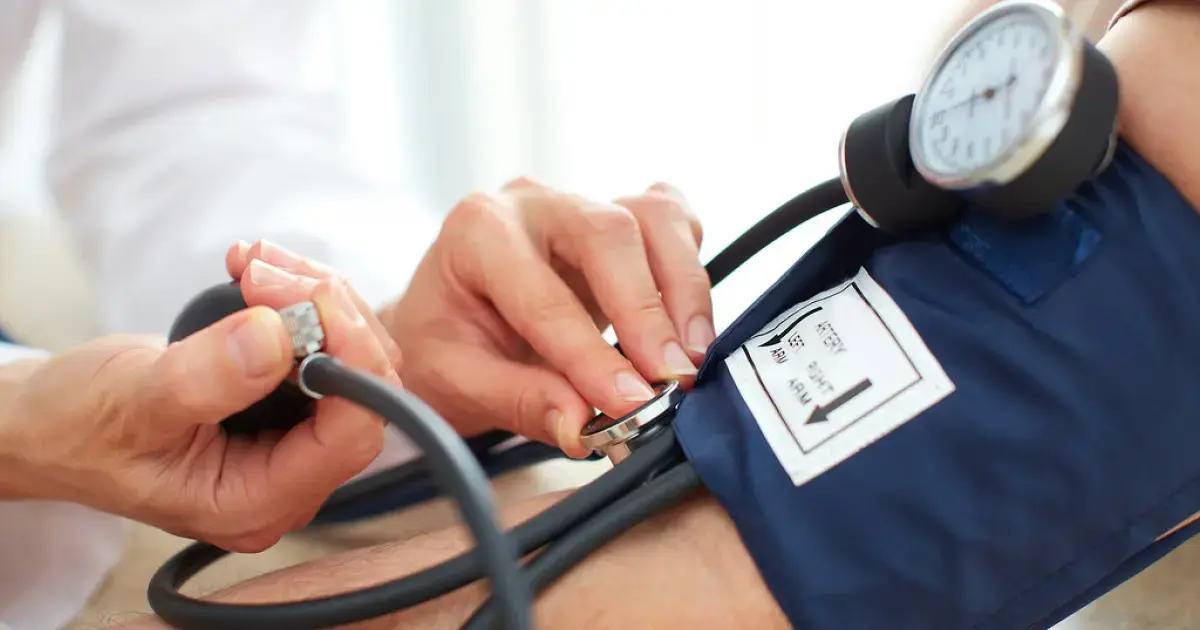
Blood pressure is the force with which blood pushes against the walls of the arteries during heart contractions. It is measured using two numbers.
The first and higher number, systolic blood pressure, indicates the force generated when the heart contracts and pumps blood throughout the body.
The lower number, diastolic blood pressure, reflects the force during the heart’s relaxation phase when it fills back up with blood.
When systolic pressure is less than 120 millimeters of mercury, and diastolic pressure is less than 80 mm Hg, a person is considered to have normal blood pressure.
If the readings consistently reach 140/90 or higher, this indicates elevated blood pressure, also known as hypertension.
Globally, about 31 percent of adults suffer from hypertension. Alarmingly, half of them are unaware of their condition, according to Science Alert.
Blood Pressure and Coffee
Caffeine found in coffee is a stimulant that can increase heart rate in some individuals and may occasionally lead to irregular heartbeats, known as arrhythmia.
Caffeine also stimulates the adrenal glands to release adrenaline, which causes an increase in heart rate and constriction of blood vessels, leading to a rise in blood pressure.
The maximum concentration of caffeine in the bloodstream occurs 0.5 to 2 hours after consuming a cup of coffee. The half-life of caffeine is 3 to 6 hours, meaning its concentration in the blood decreases by about half during this time.
The effect of caffeine from coffee (as well as from cola, energy drinks, and chocolate) on blood pressure varies. Studies have shown that after consuming coffee, systolic blood pressure can increase by 3 to 15 mm Hg, while diastolic pressure can rise by 4 to 13 mm Hg.
The increase in blood pressure is more concerning for individuals diagnosed with hypertension, heart disease, or liver issues. Therefore, it’s best to discuss coffee consumption with your doctor, according to Professor Collins.
Don’t feel you have to give up coffee. Instead, follow these tips:
- Keep track of your blood pressure, review your medical history, and pay attention to foods and drinks that contain caffeine.
- Consider all factors affecting your blood pressure and health, such as genetics, diet, salt intake, and physical activity, to make informed decisions about what you eat and how much you move.
- Be mindful of caffeine’s impact on your body and avoid consuming it before measuring your blood pressure.
- Steer clear of caffeine in the afternoon to prevent it from affecting your sleep.
- Try to limit your coffee intake to four cups a day (or even less).
- If your systolic pressure is 160 mm Hg or higher or your diastolic pressure is 100 mm Hg or higher, limit coffee to one cup and consult your doctor.
Photo: Unsplash