
 House Fungi
One of the main reasons wooden structures and furniture deteriorate quickly is damage from wood-decay fungi or wood-boring beetles. These pests cause significant damage and economic loss, so controlling them is essential.
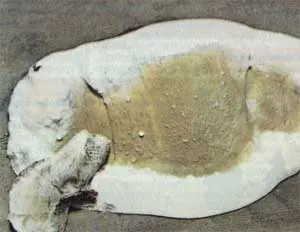
The primary culprits in the destruction of wood in buildings are wood-decay fungi. Commonly encountered types include what are often called the “true house fungus,” “film house fungus,” “white house fungus,” “shelf house fungus,” and “shaft fungus.” Columnar fungus is also frequently found in homes.
Fungi reproduce via microscopic single-celled structures called spores. When spores land on wood, they germinate and penetrate the wood cells as thin threads known as hyphae, which are visible only under a microscope.
As the fungal hyphae grow inside the wood cells, they start the rotting process and the wood deteriorates. The wood may turn brownish, develop deep cracks, and become soft and crumbly.
During wood decay, visible fungal growth appears on the surface as films, cords, or fruiting bodies in various shapes and colors. A characteristic musty odor often fills the room. You may also see stains, cracks, and peeling plaster on walls and ceilings. Floorboards can warp, become unstable, and sag. Wood-decay fungi typically appear where wood is consistently or periodically damp, since fungal growth generally requires moisture.
Common sources of moisture include roof leaks, faulty plumbing, sewage and heating system failures, and excessive dampness from mopping floors, watering plants, or frequent laundry with high evaporation. Storing large quantities of vegetables or pickled goods in poorly ventilated spaces can also raise humidity and affect the wood; those conditions are ideal for fungal growth.
One of the most effective ways to prevent wood destruction by fungi is to find and eliminate moisture sources, then dry and ventilate the affected areas.
To protect furniture and other household items from wood-boring beetles, take several measures. The most accessible method is chemical treatment: inject an antiseptic solution into the beetles’ exit holes using a syringe. Insert a syringe with a large-gauge needle into each exit hole and fill it to the brim. This method works best when the infestation is limited and the number of exit holes is small.
If there are many exit holes, treat the surface of the item with antiseptic solutions twice a year (preferably in May and August), during the peak beetle activity season. Repeat each application twice with a 1–2 day interval between treatments.
A recommended antiseptic is DDT mixed with light mineral oils (such as machine oil, oleonaphtha, or petroleum jelly) at a concentration of 200 grams of DDT per liter of oil.
After treating items this way, allow the wood to dry, then carefully fill all holes with regular wood putty mixed with 10% DDT.
Beetles usually attack unpainted or unvarnished wooden surfaces. If damage appears on varnished surfaces, wipe the area with alcohol before applying the antiseptic to help the treatment penetrate; if necessary, remove paint or varnish to expose the wood. After the final antiseptic treatment and sealing the exit holes with putty, repaint or revarnish the surface.
If you find beetle damage in an apartment, treat the affected items and, as a preventive measure, apply one of the antiseptic solutions to all unpainted wooden surfaces—especially the end grains of chair legs, musical instruments, and the unpainted backs of cabinets.