
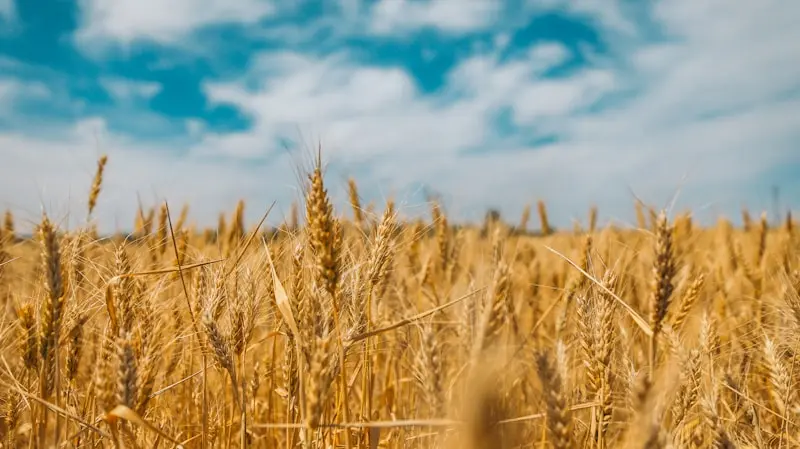
There are countless edible plants on Earth. Some bear fruit, others have roots, and some produce young, tender shoots. A few grow enormous edible parts; for example, a single coconut can keep you full for a whole day.
Yet people have focused their attention on the unassuming wheat plant. Modern wheat varieties are the product of hundreds of generations of cultivation and selective breeding. It’s hard to imagine how inconspicuous wild wheat must have been when early humans first found it.
But that was just the start. Turning wheat grains into food required a complex baking process: harvest the wheat ears, grind the kernels into flour, mix the flour with water, and bake the dough over a fire. Even then, the result wasn’t bread as we know it but a flat, unleavened cake.
Then humans discovered an invisible ally in nature—yeast. When people mixed flour and water and let those tiny organisms do their work, they transformed the flat cake into something else entirely: bread.
No wonder Timiryazev called a slice of well-baked bread one of humanity’s greatest inventions.