
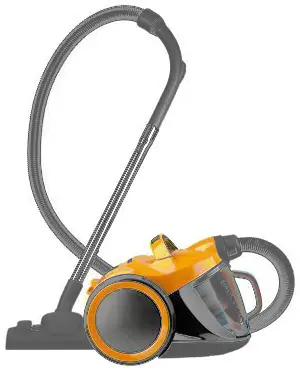
Modern vacuum cleaners come in handheld and upright models—and some of the latest designs include attachments that can even help wash laundry. These units often come with brushes, a powder sprayer, and a liquid dispenser, plus a laundry-washing attachment.
This attachment consists of a dome-shaped perforated nozzle with a tube set into its center. Place the nozzle in the wash tub and add the laundry and the washing solution. Attach a hose from the vacuum to the top end of the tube, and connect the other end of the hose to the vacuum’s exhaust port. When the vacuum runs, air flows through the hose and tube and vigorously mixes the washing liquid, helping to clean the laundry thoroughly. Use the same setup for rinsing.
Electric Polishers. Electric polishers from various brands are used for quick, effective floor polishing.
Wash wooden or painted floors, then apply polish according to the manufacturer’s instructions on the packaging. Once the floor dries, polish it with the machine.
When regular polishing no longer restores the shine, restore the gloss by sprinkling crushed paraffin, block (bricket) polishing wax, or—better yet—natural beeswax onto the floor. After sprinkling the wax powder, polish several times with the polisher and then buff with a felt pad.
Washing Machines. Washing machines make laundry chores easier, reduce soap and soda consumption, and extend the life of clothing. Typical machines handle a single load of 3.3 to 6.6 lbs (1.5–3 kg) of laundry, with each wash cycle lasting 4 to 10 minutes.
Here’s a brief list of typical weights for various laundry items (weights in grams): collar—15; handkerchief—30; socks—45; stockings—45; tank top—150; shirt—300; summer pajamas—400; towel—100; pillowcase—180–200; tablecloth—400; sheet—460; duvet cover—500; fluffy towel—600; fabric blanket—1,300; ski suit—1,600; women’s knitwear set—500; summer dress—400–600.
Soak laundry in warm water for about 10 hours before washing. Rub collars and cuffs with soap; add one tablespoon of washing soda or its substitute per bucket of water. After soaking, wring out the laundry and rinse it in warm water.
Load the machine in this order: white cotton and linen items first, then silk and viscose, and finally wool and synthetic-fiber items like nylon and polyester. Load the machine only after it has started. Wash white items for 5–8 minutes, colored items for about 5 minutes, and heavily soiled items for about 10 minutes.
After washing, wring out items and rinse them first in hot water, then in warm water, and finally in cold water. Do not overload the machine. Use the machine for whitening and starching when appropriate.
For washing, prepare a solution as follows: for each bucket of hot water, add one tablespoon of washing soda or powder and two tablespoons of grated soap. Dissolve the soap and soda by boiling them in a small amount of water first. A good product is OP-7; it does not damage fabrics and helps remove dirt. For whitening, you can use “Persol”—follow the package instructions. When washing wool, silk, or colored items in the machine, use the synthetic detergent “Novost.”
If your washing machine has wringing rollers, ensure the laundry feeds evenly along the rollers without bulging. Wipe the machine dry after use.
Electric Refrigerators. Electric refrigerators fall into two groups by cooling system: compressor and absorption types.
For any refrigerator to function properly, follow these rules: do not cover shelves, because that disrupts air circulation in the cooling chamber; keep the refrigerator door tightly closed; cool hot food to room temperature before placing it inside; wrap strongly scented foods in plastic or polyethylene bags before storing; if frost on the evaporator walls exceeds 0.2–0.24 inches (5–6 mm), defrost the unit; store fruits and vegetables in closed containers; and keep butter in a closed container so it does not absorb foreign odors. Clean the interior and exterior walls with warm water—do not use abrasive powders. Periodically turn off the refrigerator, clean it, dry it, and air it out.
Electric Stoves. Electric stoves come in open and closed types. Open-type stoves are more economical to operate but are less durable and need more frequent repairs. Closed-type stoves are less economical but more reliable and require significantly fewer repairs.
Electric Irons. Electric irons have temperature-regulating devices that let you heat the iron to the desired temperature and help prevent scorching, especially on silk, viscose, and wool. This category also includes steam irons, which release steam through a tube in the soleplate to moisten fabric.
Care and Repair of Household Appliances.
Proper maintenance affects an appliance’s lifespan and performance and helps prevent fires and electric shocks. Observe the following care rules:
Before plugging in an appliance, check the condition of the cord, plug, and socket. If a section of the cord’s insulation is burned, cut off that section or wrap it carefully with electrical tape. Avoid sharp bends in the cord. Match the appliance’s power rating to the wire gauge; failing to do so can cause overheating and create a fire hazard.
Never leave appliances unattended while in use.
If an appliance stops working, check the plug and cord first by connecting a working cord to the appliance. If the plug and cord are functioning, unscrew the nut and inspect the connection point of the heating element to the terminals. If these parts are intact, the heating coil has likely burned out.
If the coil is burned out, clean the burned ends carefully, twist them together, and clamp them tightly with pliers; the best results come from bending a piece of copper into a terminal to clamp the joined ends. Use the same method to connect the ends of the ribbon in an electric kettle. In an iron where the heating element is enclosed, reconnecting burned ends usually does not work—the element must be replaced. Replace faulty contact pins and porcelain insulators in irons with new ones.
When reassembling repaired appliances, tighten all connections thoroughly to prevent sparking, burned metal surfaces, and loss of contact.
Safety Measures When Using Electrical Appliances
Using electrical appliances requires following personal and fire safety precautions.
Electric current at household voltages (220 or 127 volts) can cause burns or be fatal if mishandled. Improper use of electrical appliances can also start fires in the home.
Exercise particular caution when using appliances in damp areas or spaces with concrete floors, such as basements.
Do not touch exposed wires or uninsulated parts of electrical appliances with bare hands. Avoid touching plumbing or heating systems at the same time.
Check and maintain wiring, fixtures, plugs, switches, and appliances in good condition. Do not turn appliances on or off with wet hands. Do not hang clothes or other items on wiring, switches, or cords. Do not use homemade electrical appliances or portable devices in damp areas such as bathrooms or basements.
