
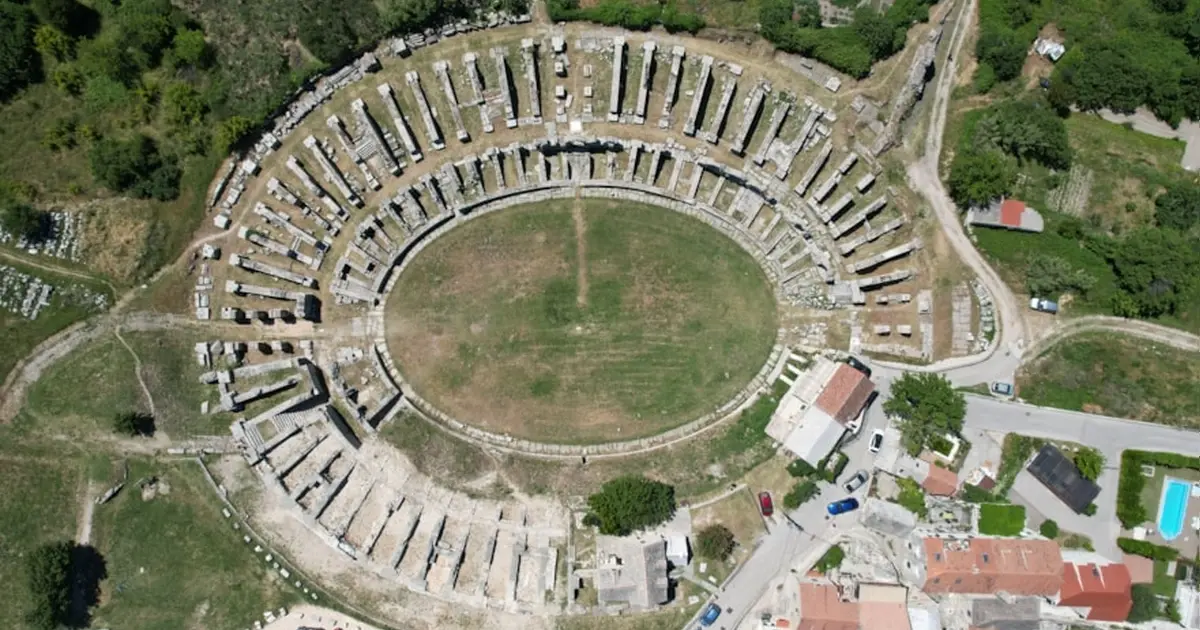
 The ancient port city of Salona, once a thriving capital of the Roman province of Dalmatia, continues to unveil its secrets.
The magnificent , which form an open-air archaeological complex, are located just 8 kilometers from the center of Split, along the Adriatic coast. In the 2nd century BC, Salona transitioned from Greek to Roman control. The city was home to around 60,000 people, and its local amphitheater could accommodate 15,000 to 18,000 spectators. Here, gladiatorial contests and brutal animal shows took place—spectacles deeply rooted in Roman social and political life.
Recently, archaeologists uncovered an ancient and engineering structures over 2,000 years old within the amphitheater of Salona, as reported by Arkeonews.
During restoration work in the northern part of the amphitheater, specialists stumbled upon a section of ancient pavement that had remained hidden beneath layers of soil for decades. This discovery provided archaeologists with valuable insights into how spectators once navigated the building and how the complex functioned during public spectacles.
One of the most notable findings was made near the western entrance to the arena. After removing the accumulated soil, archaeologists uncovered original iron clamps that still held together massive stone blocks.
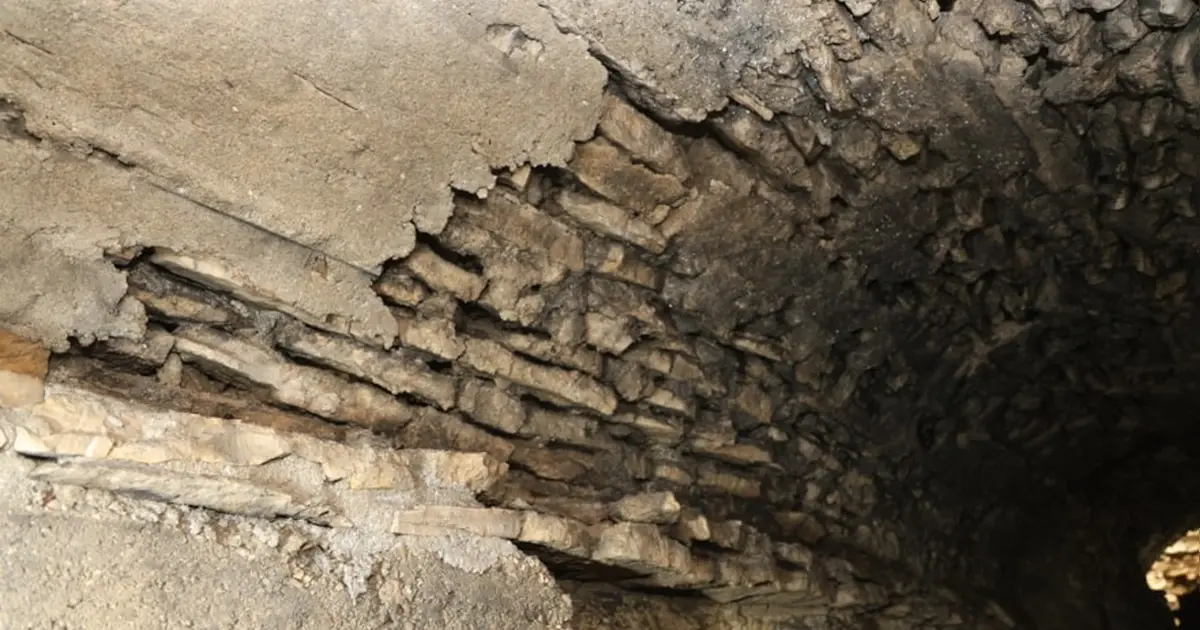
In this area, researchers also excavated an underground corridor, or tunnel, stretching approximately 90 meters south from the Porta Libitinae—the so-called “Gate of Death.” (Libitina was the ancient Roman goddess of the underworld and funerary rites.)
The arena’s gate in Salona served a grim yet practical purpose: it was the exit through which wounded or slain gladiators and animals were taken away from the eyes of the audience.
The discovery of this tunnel not only deepened scientific understanding of the amphitheater’s logistics but also expanded the tourist potential of the archaeological park. Walking through the corridor allows visitors to connect with the behind-the-scenes aspects of Roman entertainment culture.
Currently, restoration of the northern part of the amphitheater continues, along with archaeological research of the site. Once researchers document and thoroughly analyze the recently discovered artifacts, they will be made available to visitors.