
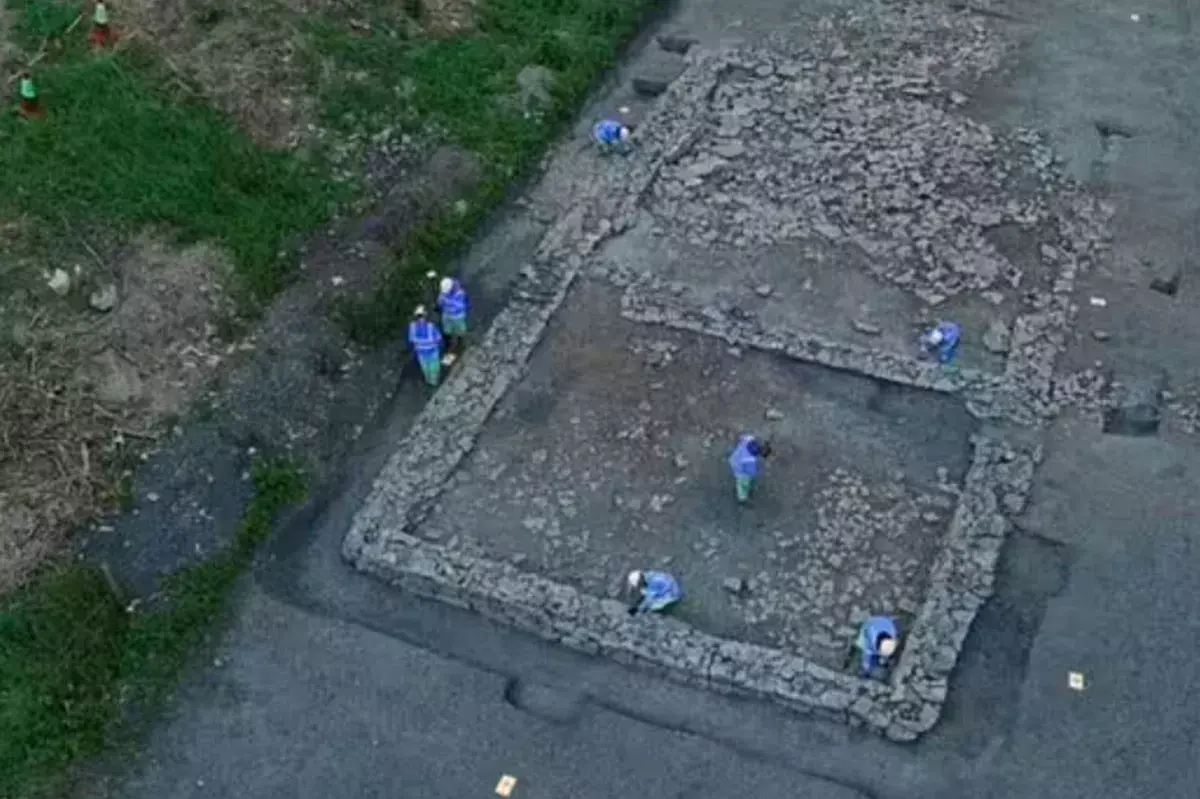
 Researchers have dubbed the discovery a “service station” dating back 2000 years. This ancient rest stop is located in Gloucestershire, near the busy modern A417 highway, alongside a significant Roman road that once connected Corinium (Cirencester) and Glevum (Gloucester) – two of the most important urban centers in western .
The discovery was made by a team from the Oxford-Cotswold Archaeological Association as part of the UK’s A417 Missing Link infrastructure project. The researchers uncovered a rare example of a specially designed ancient Roman stop where travelers could rest, eat, and, most importantly, change their horses. These stations were a vital part of the state courier and transport network of the .
reported that the settlement near which the ancient “service station” was found existed from the 2nd to the 4th century AD, during a period of economic and military prosperity in Roman Britain. Although the local buildings featured modest designs, they were clearly zoned: some areas were designated for people, while others were for animals.
In the animal area of the rest station, archaeologists discovered bridles, harness components, and horse gear. This confirms that it was a designated place for changing tired horses, as reported by Arkeonews. In the human quarters, researchers found remnants of primitive ovens, grinding stones for flour, kitchen utensils, and personal items – evidence of a temporary shelter for weary travelers. Based on the food remains, they consumed bread, meat, and snails.
A Treasure Trove of Artifacts
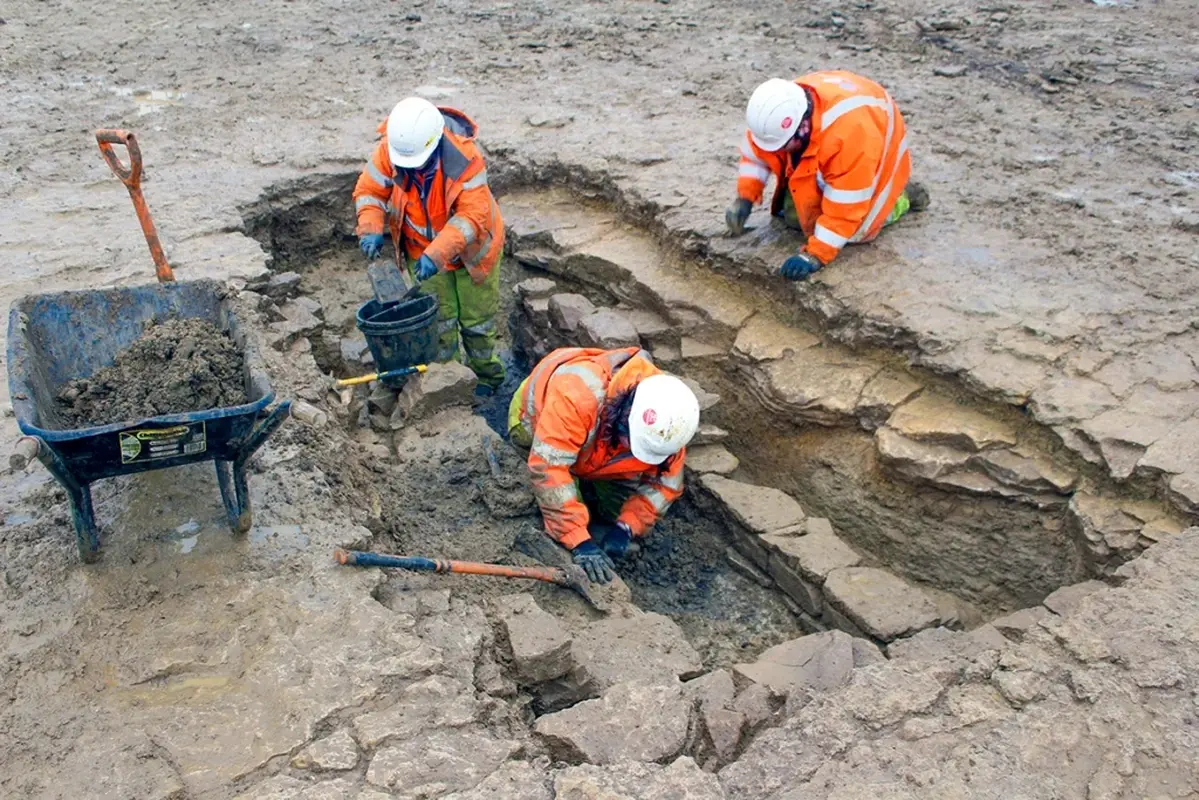
At the excavation site, researchers also uncovered a stunning collection of , including over 460 Roman coins, 420 kilograms of pottery and animal bones, 15 fibulae (decorative metal clasps), a bronze ring with glass inlay, and an impressive blue-and-white glass bead. An unusual find was Roman nail clippers made of bone and metal, reminding us that personal grooming was important for travelers during long journeys.
Excavation leader Alex Thompson described the discovery as “a wonderful testament to ancient Roman infrastructure.” He also noted that the site, which “exceeded all expectations,” showcases one of the early concepts of roadside service in Europe.
An Oasis in the Extensive Network of Roman Roads
Modern travelers view roadside service stations as commonplace. However, in ancient times, the existence of such a place was nothing short of revolutionary. The Romans built over 80,000 kilometers of engineered roads throughout the empire, many of which were equipped with large courtyards for travelers to rest. The “service station” in Gloucestershire fits seamlessly into this network.
This discovery highlights the continuity between ancient and modern transport routes. Just as today’s A417 highway directs motorists to major transport hubs, the great Roman road alongside it once transported soldiers, merchants, couriers, and settlers throughout the province. The recently uncovered transport station serves as a reminder that travelers needed places to rest long before gas stations existed.
One of these places, it turns out, lay just a few feet beneath the asphalt of a busy modern highway in Great Britain.