
A team from Mexico’s National Institute of Anthropology and History (INAH) has discovered a 1,400-year-old Zapotec tomb that researchers believed was lost.
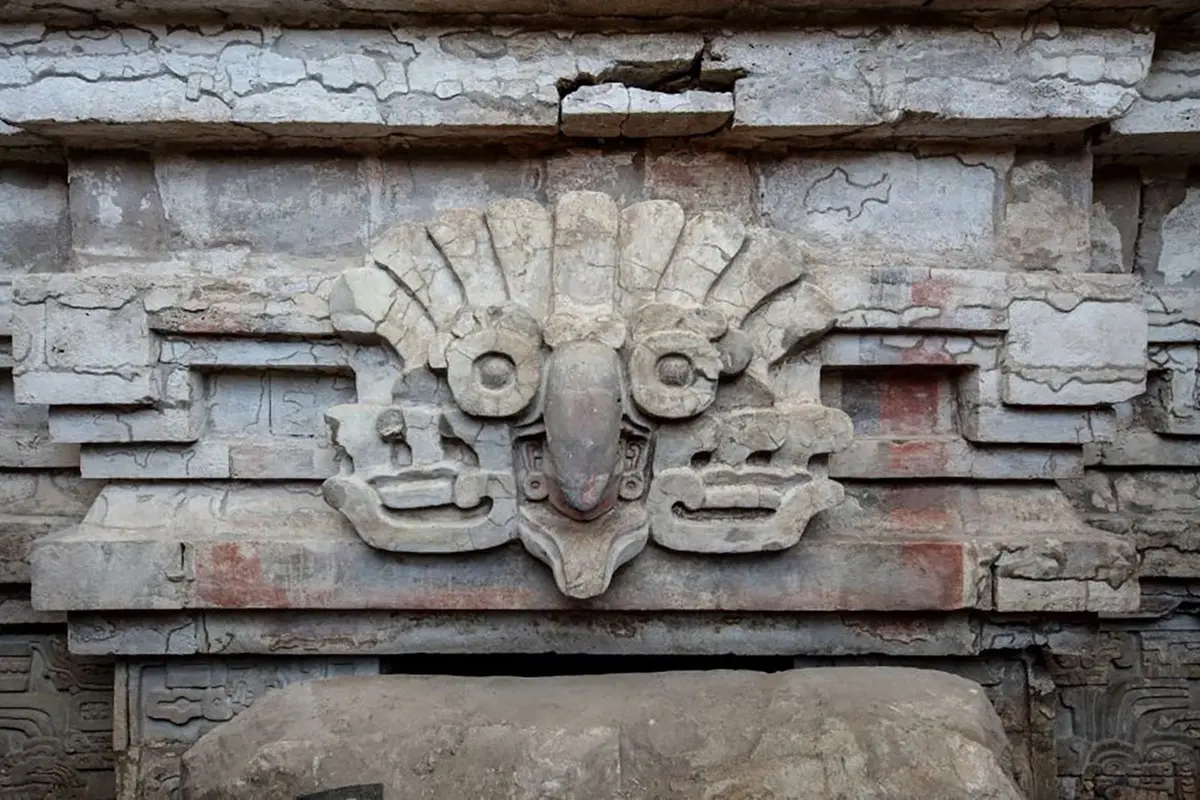
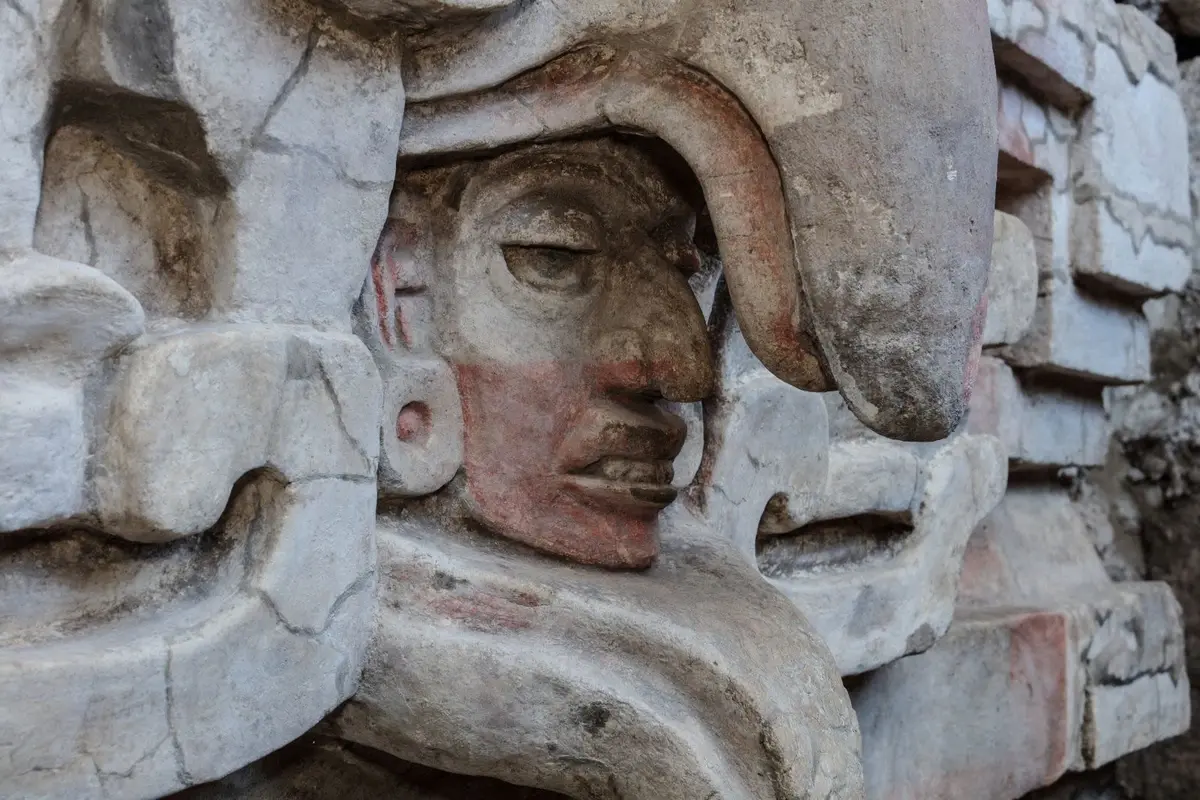
The artistic decorations are remarkably well preserved, featuring a sculptural depiction of an owl with wide-open eyes holding a human face in its beak, along with colorful frescoes and calendar symbols.
The tomb was uncovered following an anonymous tip about looting in the area. Mexican President Claudia Sheinbaum Pardo called the find “the most significant archaeological discovery in Mexico in decades.”
The find has been dated to around 600 AD, a time when the Zapotecs, also known as the “cloud people,” inhabited the region. The Zapotec civilization emerged around 700 BC and declined after the Spanish conquest in 1521. Hundreds of thousands of people who speak the Zapotec language still live in Mexico, Live Science reports.
What Surprised Researchers About the Tomb?
At the entrance to the tomb, archaeologists discovered a large carved owl. Its open beak holds the painted face of a Zapotec ruler. In Zapotec culture, the owl symbolized death and power.
INAH said the owl likely held a sculptural portrait of the lord for whom the tomb was dedicated.

Inside the structure, the threshold between the two chambers features a masterfully carved doorway. On a horizontal stone beam above, calendar names are engraved. The Zapotecs assigned certain symbols to deities and important individuals based on their birth dates.
Engraved figures of a man and a woman flank the doorway; they may represent the people buried in the tomb or palace guards.
The walls of the burial chamber feature vibrant frescoes. They depict a funeral procession in white, green, red, and blue paint, with participants carrying bags of tree resin used as incense during ceremonies in pre-Hispanic Mesoamerica.
Mexico’s Minister of Culture, Claudia Curiel de Icaza, said, “This richly adorned tomb is an exceptional find due to its level of preservation and the insights it provides into Zapotec culture: social organization, burial rituals, and worldview, preserved in architecture and wall paintings.”
