
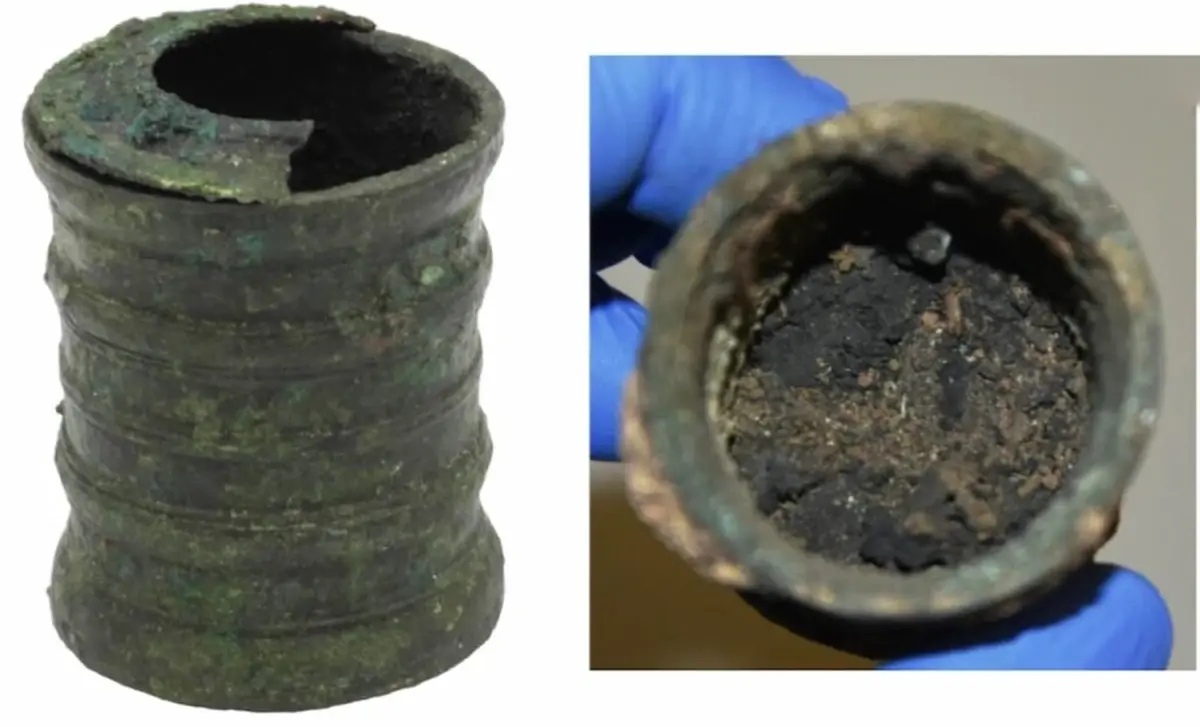
 Researchers have uncovered remnants of ink in an inkwell found at the ruins of Conímbriga, which was produced using a complex recipe 2,000 years ago.
The intricate formula of this ink challenged everything scholars previously understood about the writing technologies of the .
A Breakthrough in the Study of Ancient Roman Technologies
What initially appeared to be an ordinary inkwell revealed something much more significant: microscopic traces of complex inks that have transformed our understanding of how the Romans wrote, produced pigments, and exchanged technological knowledge throughout the empire.
A team of archaeologists and chemists discovered that this tiny artifact from the early 1st century AD contained multi-component inks that included, among other ingredients, bone black (soot), iron-gall components, wax, and animal fat. For a province located at the far western edge of the , such a level of technological sophistication is surprisingly high.
What Did the Scientists Report?
The inkwell was excavated from layers associated with ancient construction work. Researchers speculated that this artifact may have belonged to someone involved in these projects, likely someone whose duties included writing. This could have been, for example, an architect, surveyor, military scribe, or city administrator.
Weighing 94.3 grams, the inkwell was made from an alloy of copper, tin, and lead, as reported by Arkeonews. Thanks to the lead, which was the predominant metal in the alloy, the ancient craftsman was able to create thin, even walls and clear grooves on the outer surface of the vessel. According to scientists, this item can be classified as one of the highest quality writing instruments of its time.
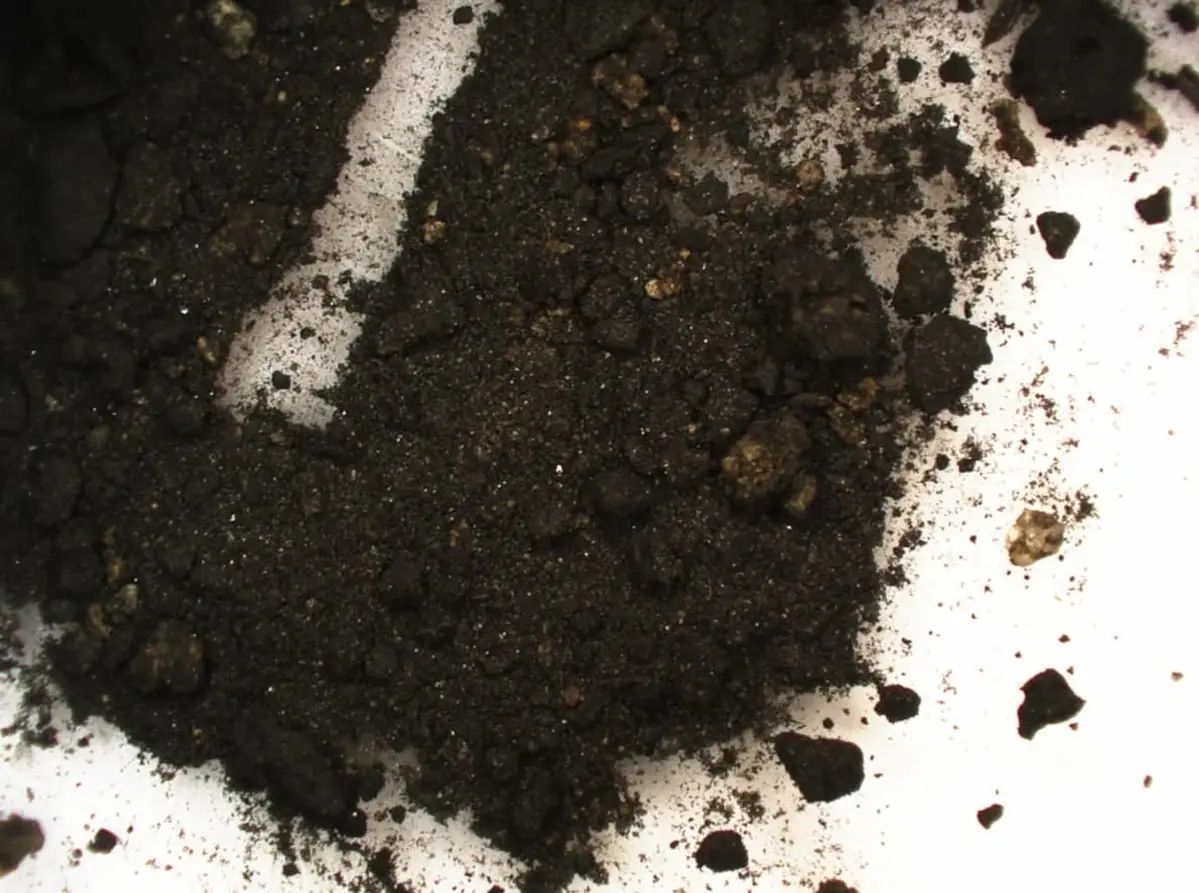
The discovery of a Roman inkwell with remnants of ink is an exceptional rarity for archaeologists. Most ancient inks were water-soluble and quickly deteriorated due to moisture. However, the from Conímbriga preserved a dense layer of pigment for nearly two millennia.
The Recipe Details
To delve deeper into the molecular profile of the inks, the research team employed a comprehensive suite of modern methods, including nuclear magnetic resonance spectroscopy, pyrolysis, X-ray fluorescence, and chromatographic analysis. The results astonished the scientists.
The primary pigment was amorphous carbon—soot produced from the high-temperature combustion of coniferous wood. This soot provided a fine, rich black base characteristic of traditional Roman carbon inks.
Traces of calcium phosphate indicated the presence of bone black pigment, derived from roasting animal bones. Additionally, researchers identified iron-containing compounds typical of iron-gall inks.
The mixture was stabilized with beeswax, which served as a thickener, and animal fat, which increased viscosity. These ingredients played a crucial role after the ink was applied: as it dried, they formed a thin protective layer of lacquer that sealed each letter and gave the text a sheen. This final effect made the manuscript more durable, which was especially important for military documents.
Researchers believe that the ink manufacturer may have also added a volatile component—similar to turpentine—to allow the mixture to be used for an extended period.
Such multi-component inks (known as mixed inks) appeared in , but were rarely confirmed by direct archaeological findings.
