
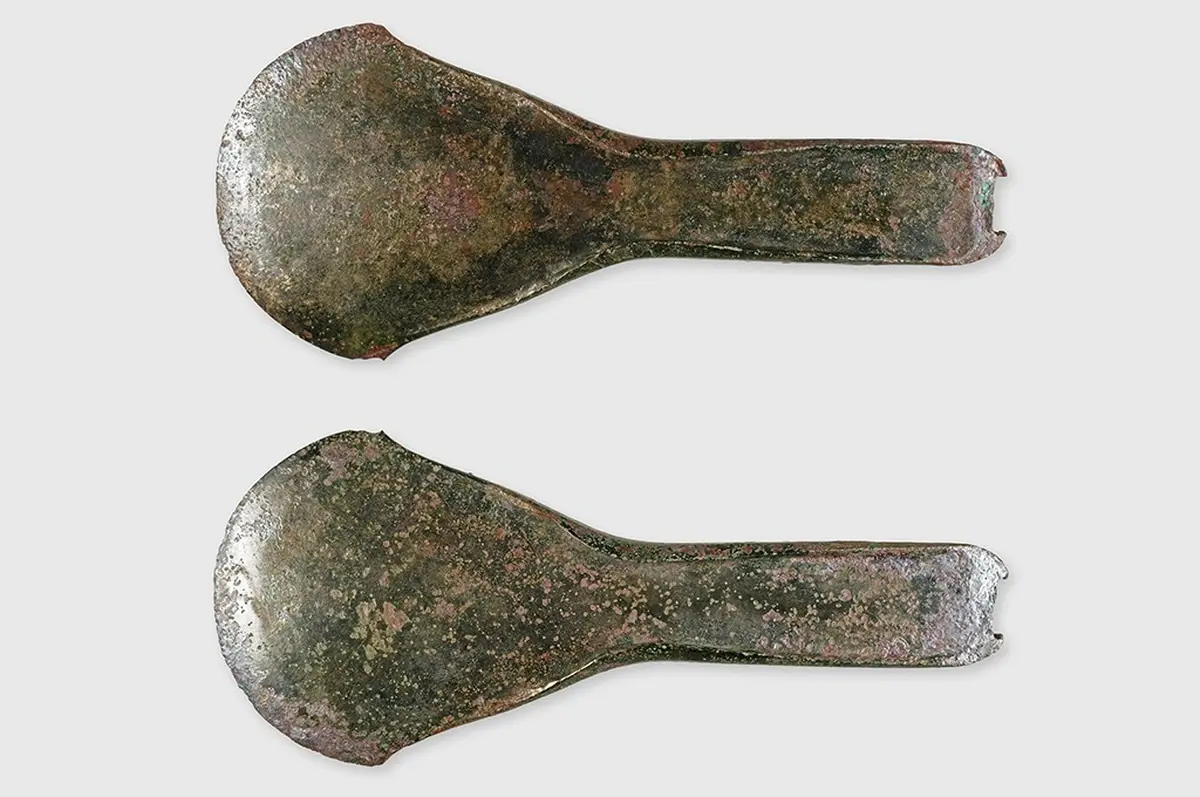
 An unusual discovery in the Leimental valley in northwestern Switzerland has caught the attention of . A 3,500-year-old bronze axe and a clothing pin found nearby have led researchers to conclude this spot may once have held a large ritual hoard.
Despite its short length — just 22 centimeters — the is quite heavy. It was cast from a single piece of bronze and displays exceptional craftsmanship, giving it a monumental presence and making it one of the most remarkable Bronze Age finds in the region.
What we know about the discovery
The artifacts were buried on a steep slope — a rocky outcrop above the small border village of Burg-im-Leimental, close to the French border.
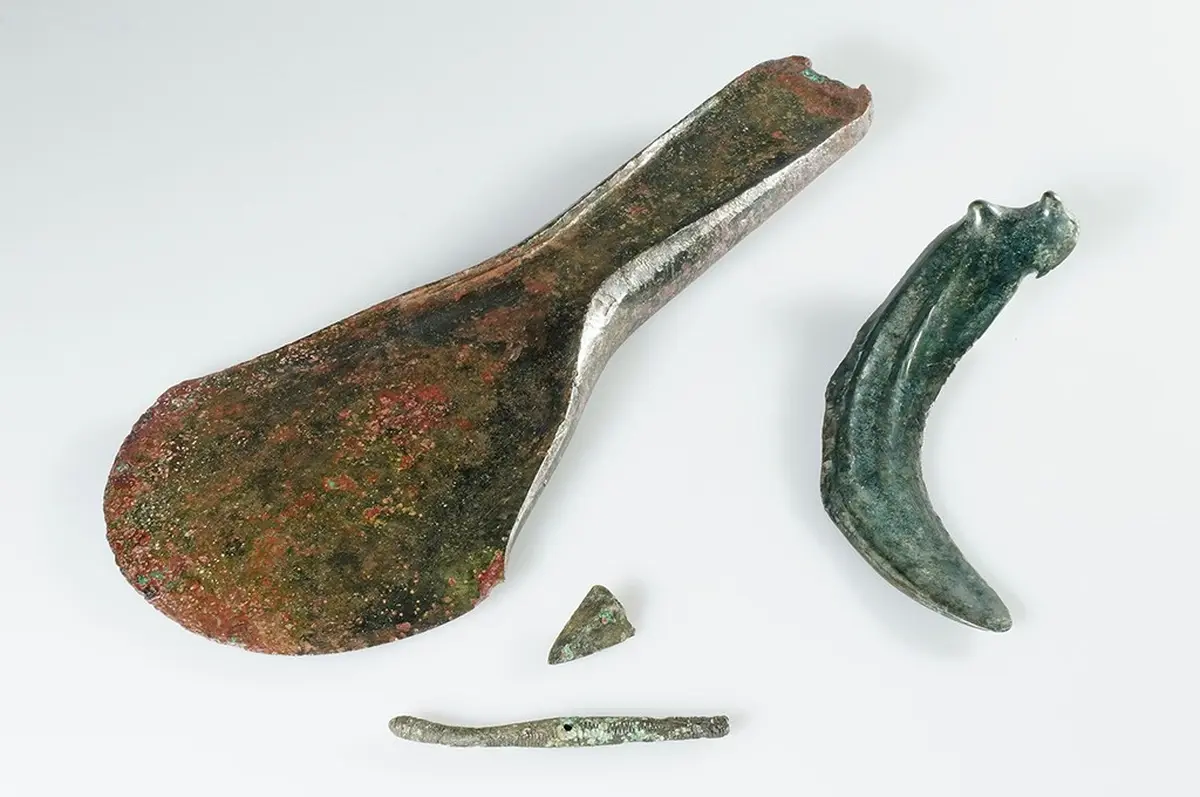
A relic hunter found the axe with a metal detector during a routine archaeological survey. Nearby he uncovered a bronze clothing pin, also from that distant era.
These aren’t the first Bronze Age discovered at the site. A bronze sickle was found here as early as 1858. All known items from this location date to the Middle Bronze Age and were made around 1500 BCE, Arkeonews reported.
Archaeologists think the large hoard someone likely buried here long ago was either looted or gradually dispersed over time.
Studying Bronze Age hoards
Such hoards — deliberate clusters of many metal objects — were common across Europe in the Bronze Age. They often contained dozens of items, including tools, weapons, and jewelry.
Scholars often interpret these hoards as ritual offerings to deities. People deliberately buried objects in the ground, placed them in rock crevices, or even tossed them into rivers and bogs. Those acts held symbolic meaning for ancient communities.
Although Burg-im-Leimental is a quiet village today near the Swiss-French border, the location was strategically important in prehistoric times. The region sits on fertile land that connects routes to the Rhine and Rhone valleys.
Archaeological finds in nearby Rodersdorf and other surrounding settlements show that the area was inhabited during the Bronze Age.
In addition, in 1998 researchers discovered a large Bronze Age hoard in the municipality of Biedertal (France), just one kilometer from where the axe was found.